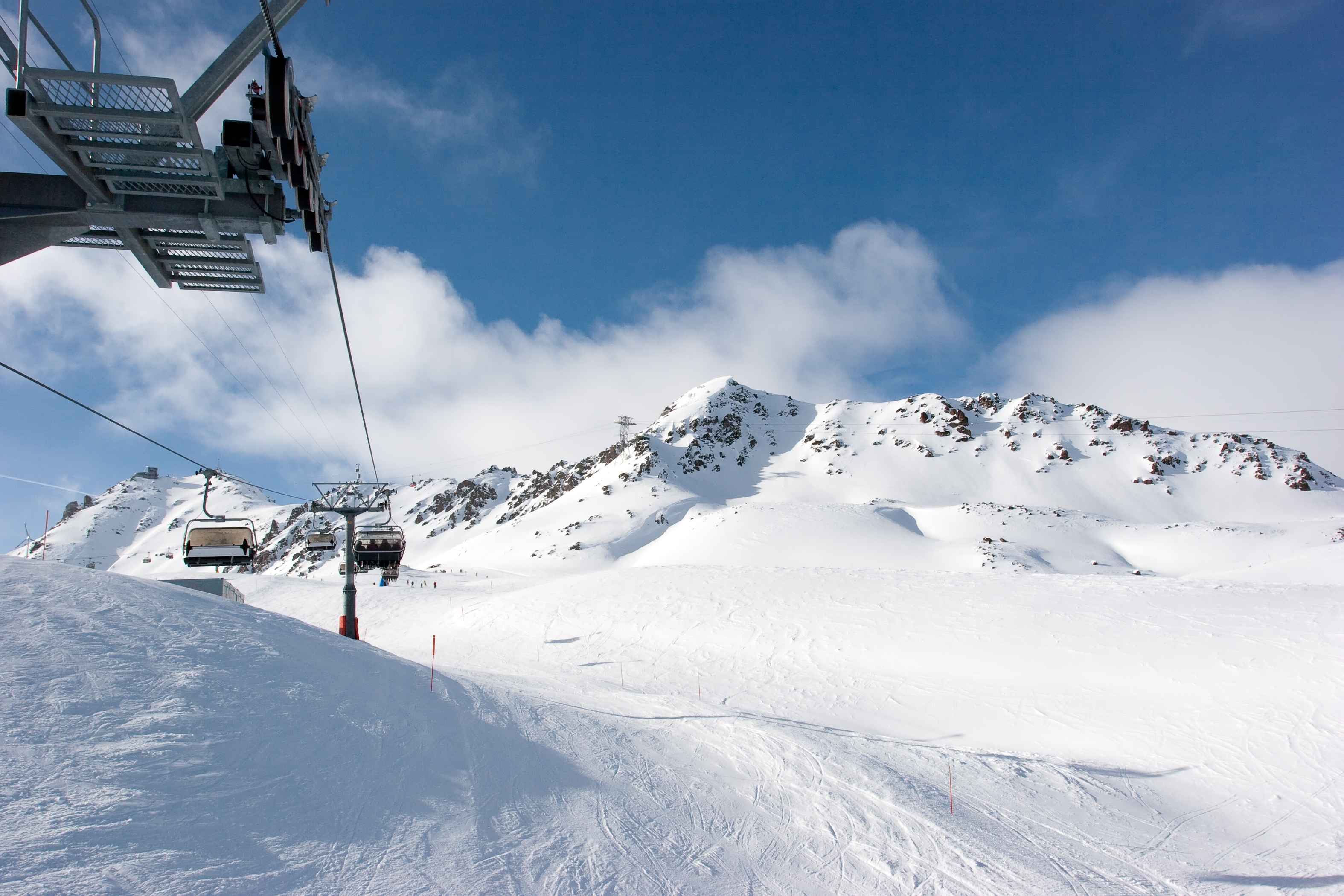
St. Moritz
Glamour der Belle Époque, 300 Sonnentage im Jahr und Skifahren in drei verbundenen Gebieten.
Diese Seite wurde maschinell übersetzt. Die englische Version ist das Original. Englisches Original ansehen
What to expect at St. Moritz
St. Moritz is where the modern ski holiday was invented, a British hotelier bet his summer guests they'd love a winter here in 1864, and the resort has been trading on 300 sunny days a year and Belle Époque glamour ever since. The town itself sits on a lake at 1,822 m, with three separate skiing mountains linked by cable car and train: Corviglia above the town, Corvatsch across the lake, and Diavolezza further along the Bernina pass. It hosts polo on the frozen lake in January, the Cresta Run tobogganing club, and enough five-star hotels to satisfy a small principality. Skiing is largely gentle and sunny.
St. Moritz on film
Skiing and staying in St. Moritz
St. Moritz Überblick
St. Moritz, eingebettet im Engadiner Tal auf 1.856 m, nimmt einen einzigartigen Platz in der Wintersportgeschichte ein, da es den alpinen Tourismus im späten 19. Jahrhundert vorantrieb und zwei Olympische Winterspiele ausrichtete. Heute ist es eine erstklassige Destination, gefeiert für seine Mischung aus Weltklasse-Skifahren und einer ausgesprochen kosmopolitischen Atmosphäre.
Das Skigebiet Engadin St. Moritz verfügt über 350 km Pisten, die von 58 Liften bedient werden, mit Höhenlagen von bis zu 3.303 m auf dem Corvatsch-Gletscher. Diese hohe Lage gewährleistet von November bis Anfang Mai eine zuverlässige Schneesicherheit, wobei die Gletschergebiete konstante Bedingungen bieten. Das Resort besteht aus mehreren unterschiedlichen Skizonen, darunter Corviglia oberhalb der Stadt, die Gletscherhänge des Corvatsch und die ruhigere Diavolezza.
Ski und Snowboard
St. Moritz bietet ein weitläufiges und vielfältiges Skierlebnis, geprägt von sonnenverwöhnten Hängen, frischer Bergluft und dem einzigartigen Engadiner Licht. Die drei Hauptskigebiete Corviglia, Corvatsch und Diavolezza-Lagalb haben jeweils einen unterschiedlichen Charakter und sind mit dem Bus verbunden, alle mit einem einzigen Skipass zugänglich.
Corviglia, direkt oberhalb von St. Moritz, bietet makellos präparierte Pisten mit weitreichenden Ausblicken auf das Engadiner Tal. Corvatsch ermöglicht Gletscherskilauf bis auf 3.303 m und bietet längere und anspruchsvollere Abfahrten. Diavolezza ist zwar kleiner, aber bekannt für seine Gletscherabfahrt nach Morteratsch, die als eine der unvergesslichsten Abfahrten der Alpen gilt.
Könnerstufen
Anfänger finden geeignete Übungshänge in Salastrains im unteren Corviglia-Gebiet, mit speziellen Zonen zum Lernen. Sanfte, breite blaue Pisten weiter oben bieten ideales Gelände für Fortschritte. Celerina, nur einen Katzensprung entfernt, bietet ebenfalls hervorragende Anfängereinrichtungen in entspannter Atmosphäre. Die konstante Schneequalität und die sonnigen Lagen schaffen angenehme Lernbedingungen.
Fortgeschrittene Skifahrer kommen hervorragend auf ihre Kosten, mit einer Vielzahl langer, weitläufiger roter und blauer Pisten in ganz Corviglia. Der Corvatsch-Sektor bietet hervorragendes Cruising-Terrain, darunter eine bemerkenswerte 9 km lange Abfahrt von der Mittelstation Corvatsch nach St. Moritz Bad. Diavolezza kombiniert anfängerfreundliche Pisten mit spektakulärer Gletscherlandschaft und sorgt so für Abwechslung in den drei Gebieten während der gesamten Saison.
Erfahrene und Experten-Skifahrer sollten sich auf Corvatsch und Diavolezza konzentrieren. Die oberen Hänge des Corvatsch bieten durchweg steile Abschnitte und Zugang zu ausgedehntem Off-Piste-Gelände. Diavolezza ist die Heimat der legendären 10 km langen Gletscherabfahrt nach Morteratsch, die ein technisch anspruchsvolles und visuell atemberaubendes Erlebnis bietet. Lagalb, ein kleineres Nachbargebiet, hat steile schwarze Pisten und unberührte Tiefschneefelder. Wer Abenteuer abseits der Piste sucht, kann sich von lokalen Guides über das anspruchsvolle Gletschergelände führen lassen.
Schneebedingungen und Aktivitäten
Die Saison dauert in der Regel von Ende November bis Anfang Mai. Die hohe Lage mit einem Basislager auf 1.856 m und einem Gipfel auf 3.303 m gewährleistet eine zuverlässige Schneedecke. Januar und Februar haben normalerweise den tiefsten Schnee, während März und April längere Tage und ausgezeichnetes Frühlingsskifahren bieten, insbesondere auf den Corvatsch- und Diavolezza-Gletschern.
Neben dem Skifahren ist St. Moritz berühmt für den Cresta Run, eine 1884 erbaute natürliche Eiskelettbahn. Diese historische Strecke, die von St. Moritz nach Celerina führt, ist der Geburtsort des Skeleton-Rennsports. Erfahrene Fahrer können Geschwindigkeiten von 130 km/h erreichen, und Gastfahrten sind für ein wirklich einzigartiges Wintersport-Erlebnis verfügbar.
St. Moritz in winter
St. Moritz piste map
The official St. Moritz piste map showing every run, lift and sector. Zoom in for detail or open it full screen.
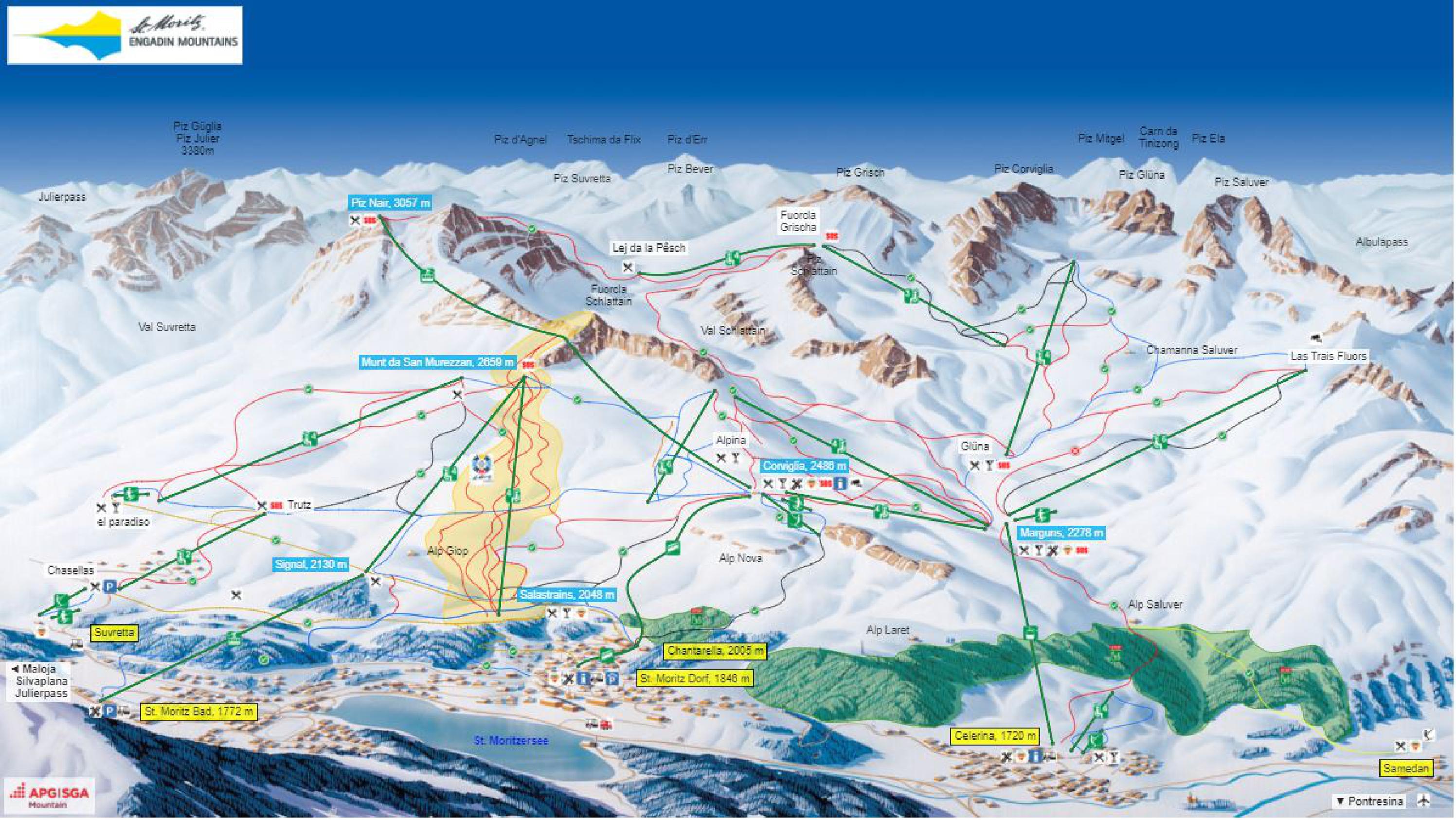
Scroll or pinch to zoom, drag to pan.
View and download St. Moritz ski map ↗Getting to St. Moritz
- Lugano (LUG)90 km by road2 h 3 min
- Milan Bergamo (BGY)92 km by road2 h 6 min
- Bolzano (BZO)114 km by road2 h 36 min
Drive times are estimates based on typical winter road conditions. Book transfers in advance during peak Saturday changeovers.
St. Moritz FAQs
- Ist St. Moritz für Anfänger geeignet?
- St. Moritz bietet gute Anfängereinrichtungen, insbesondere in Salastrains am Corviglia und im nahegelegenen Celerina. Spezielle Lernbereiche halten neue Skifahrer von schnelleren Fahrern fern, mit sanften blauen Pisten zum Fortschreiten. Das Gelände und die Atmosphäre des Resorts sind jedoch eher auf fortgeschrittene Skifahrer und Experten zugeschnitten. Während Anfänger hier lernen können, könnten andere Schweizer Resorts wie Zermatt oder Grindelwald anfängerfreundlicher sein.
- Wie ist St. Moritz im Vergleich zu Zermatt?
- Beide sind weltberühmte Schweizer Resorts, bieten jedoch unterschiedliche Erlebnisse. Zermatt bietet ein umfangreicheres, liftverbundenes Gelände und das ikonische Matterhorn, während St. Moritz aus separaten Skigebieten besteht, die mit dem Bus verbunden sind. St. Moritz hat eine kosmopolitischere Stadt mit Aktivitäten auf dem gefrorenen See und einer stärkeren Luxus-Shopping-Szene. Zermatt ist autofrei mit einem ausgeprägten Dorfcharakter. Beide bieten hervorragende Schneesicherheit und hochalpines Gelände, die Wahl hängt also von der Präferenz für konzentrierte Skibequemlichkeit oder Vielfalt und Raffinesse ab.
- Ist St. Moritz teuer?
- St. Moritz liegt am oberen Ende der Preisgestaltung für Skigebiete. Unterkunft, Verpflegung und Après-Ski kosten im Allgemeinen mehr als in vielen anderen Alpenresorts. Mit sorgfältiger Suche lassen sich jedoch auch Optionen im mittleren Preissegment finden, und die Gesamtqualität ist durchweg hoch. Während preisbewusste Reisende es möglicherweise schwierig finden, sind viele Besucher der Meinung, dass das außergewöhnliche Erlebnis die Investition rechtfertigt.
- Wann ist die beste Zeit für Schnee in St. Moritz?
- Die Saison dauert von Ende November bis Anfang Mai. Die hohe Lage (Basis auf 1.856 m, Gipfel auf 3.303 m) garantiert zuverlässige Schneebedeckung während der gesamten Zeit. Januar und Februar bieten typischerweise den tiefsten Schnee, während März und April längere Tage und ausgezeichnete Frühlingsskibedingungen bieten, insbesondere auf den Gletschern Corvatsch und Diavolezza, die auch dann noch guten Schnee haben, wenn niedrigere Resorts Schwierigkeiten haben.
- Was ist der Cresta Run?
- Der Cresta Run ist eine natürliche Eis-Skeletonbahn, die 1884 gebaut wurde und sich von St. Moritz nach Celerina erstreckt. Er ist der Geburtsort des Skeleton-Rennsports und bleibt die berühmteste Rodelbahn der Welt. Erfahrene Fahrer können Geschwindigkeiten von bis zu 130 km/h erreichen. Für diejenigen, die diesen einzigartigen Wintersport ausprobieren möchten, werden Gastfahrten angeboten, die eines der markantesten Erlebnisse in den Alpen bieten.
Resort figures are checked against official resort sources each season. Spotted something out of date? Tell us.
Skigebiete in der Nähe
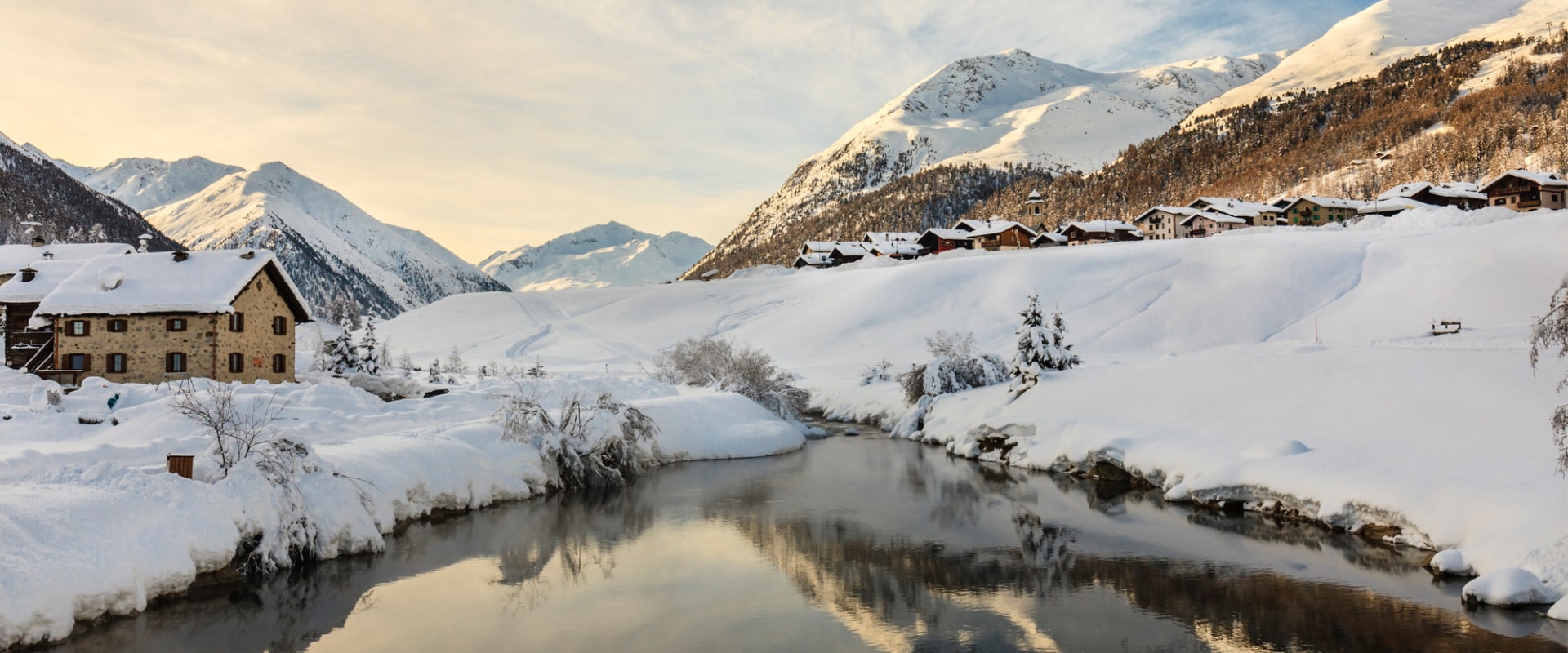
Livigno
A tax-free destination, visitors enjoy Livigno's lower prices as well as the epic freeriding and famous snowparks
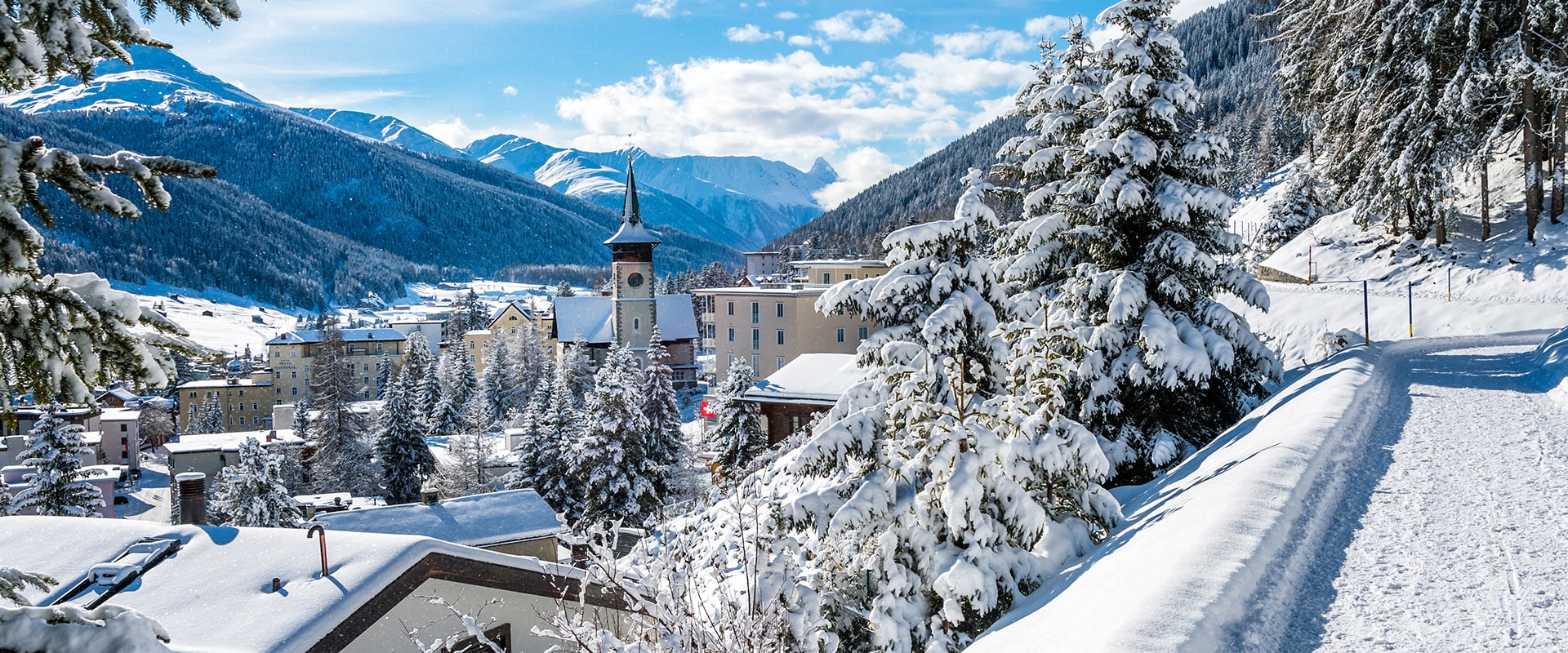
Davos Klosters
Carve first tracks with a sunrise experience or test your skills on the slopes at night under the floodlights.
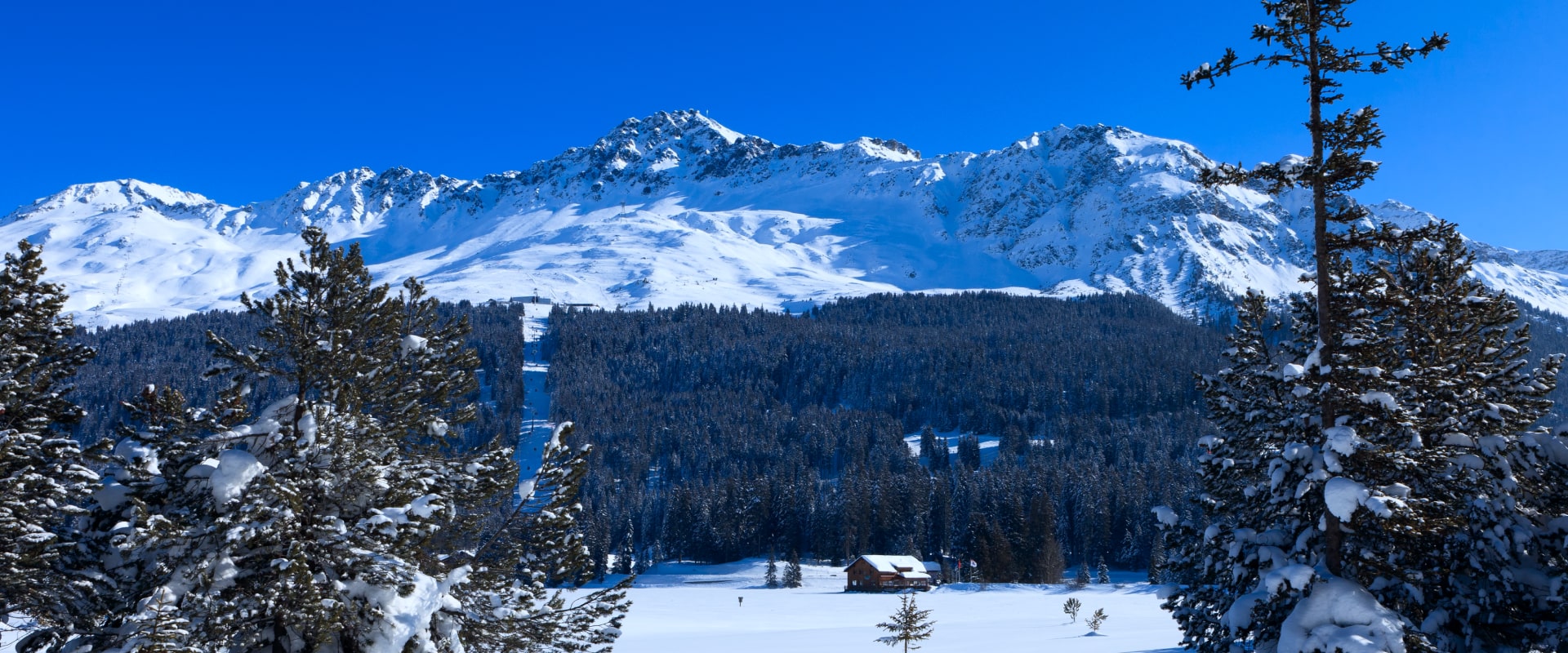
Lenzerheide
Sunny slopes, stunning alpine scenery, and seamless access to Arosa for 225 km of unforgettable skiing.
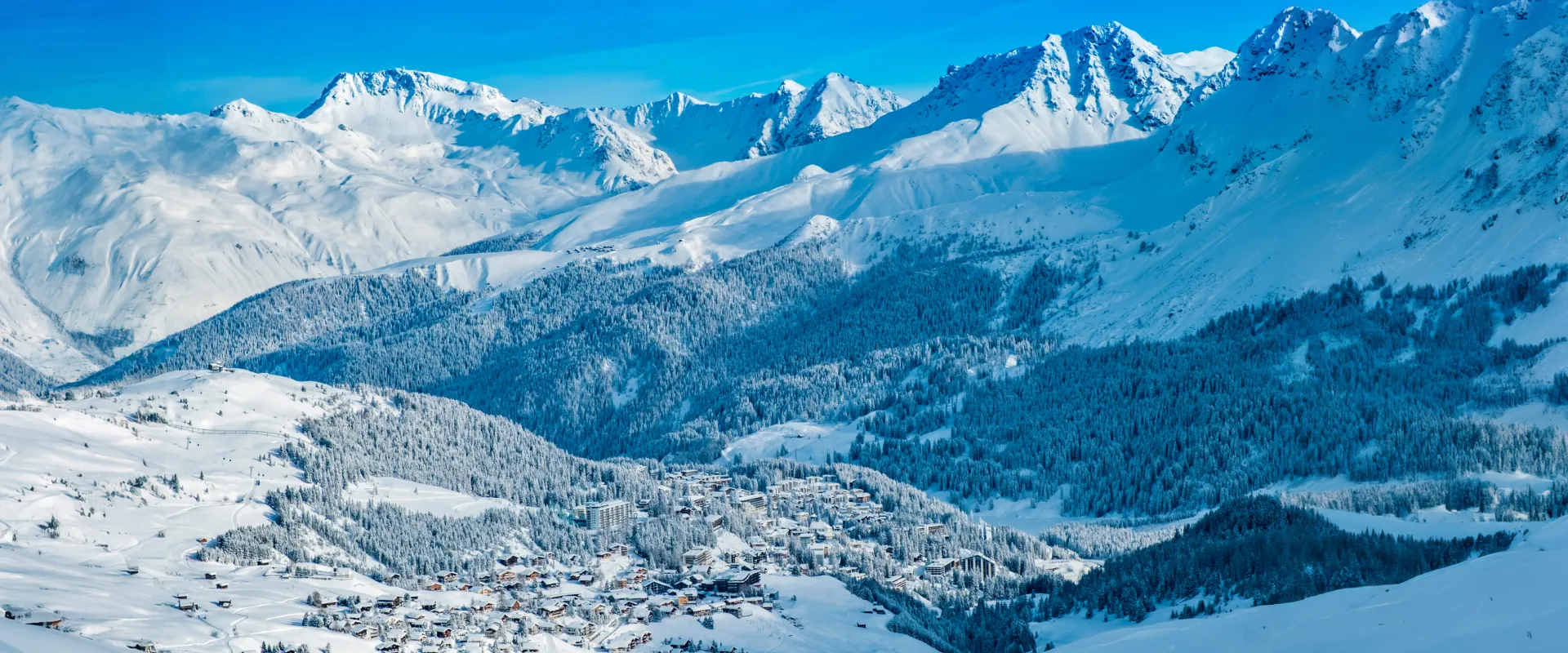
Arosa Lenzerheide
Experience Arosa Lenzerheide's breathtaking scenery, expansive slopes, and a wealth of snow activities, where winter fun awaits at every turn!

Bormio
Roman spa town with World Cup downhill pedigree and thermal baths at the base.
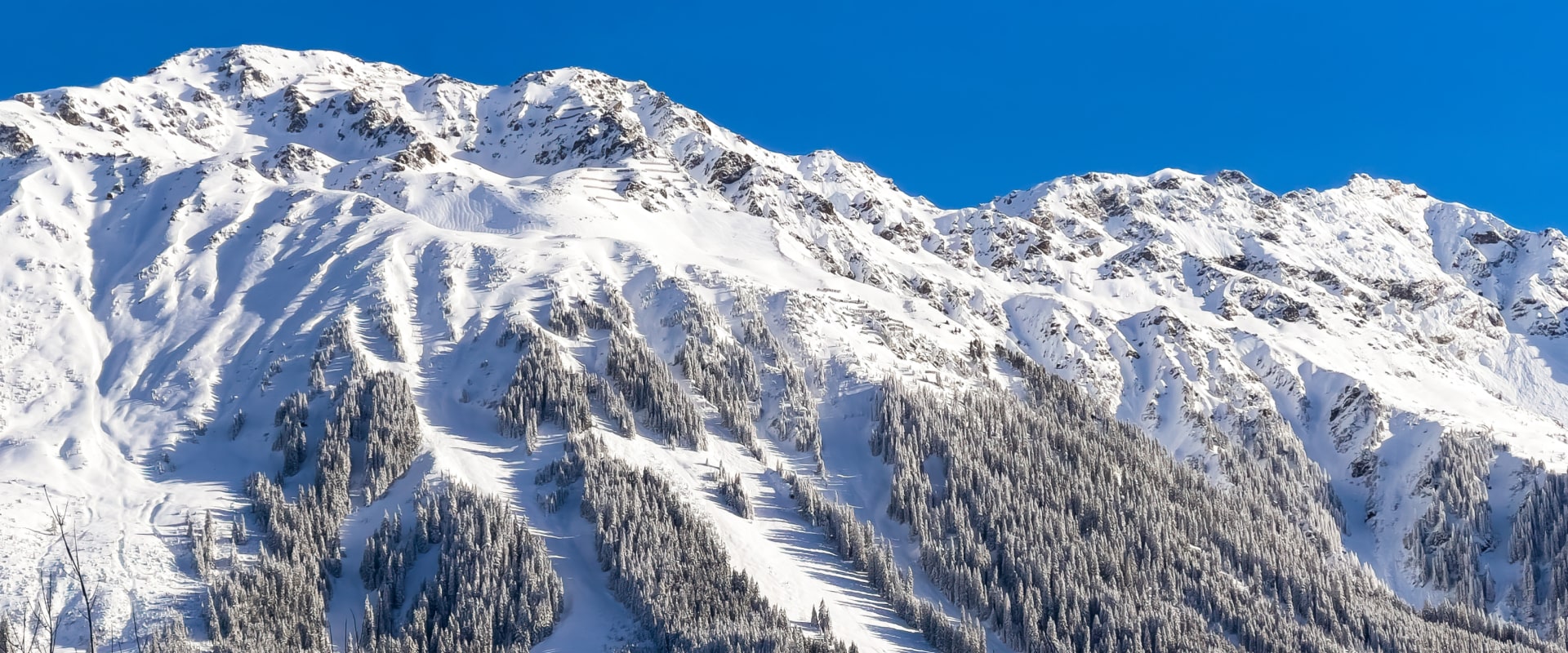
Klosters
Charming Swiss village meets world-class skiing in the heart of Davos-Klosters.
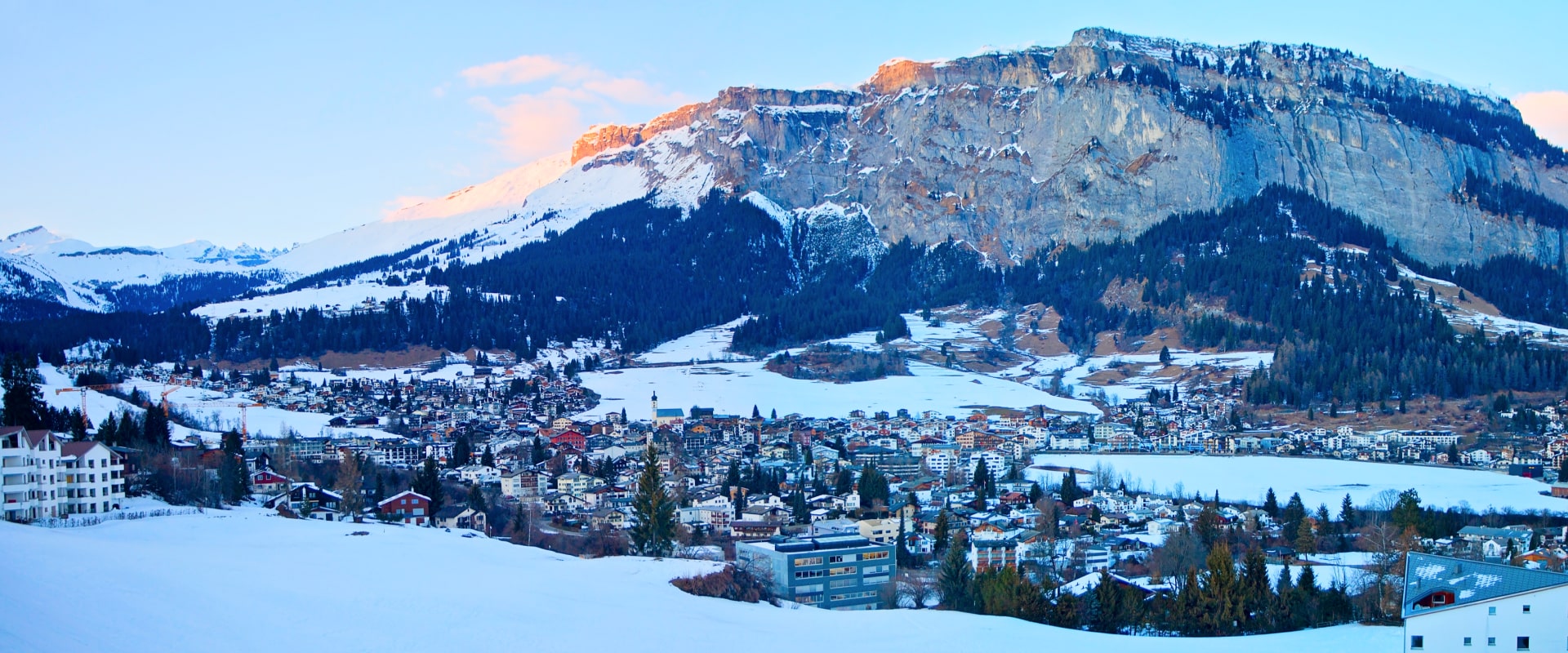
Laax
Where freestyle thrills meet vast Alpine slopes and breathtaking scenery.

Flims Laax Falera
The wider Laax ski region seen from the traditional Flims side, family friendly and freestyle rich.