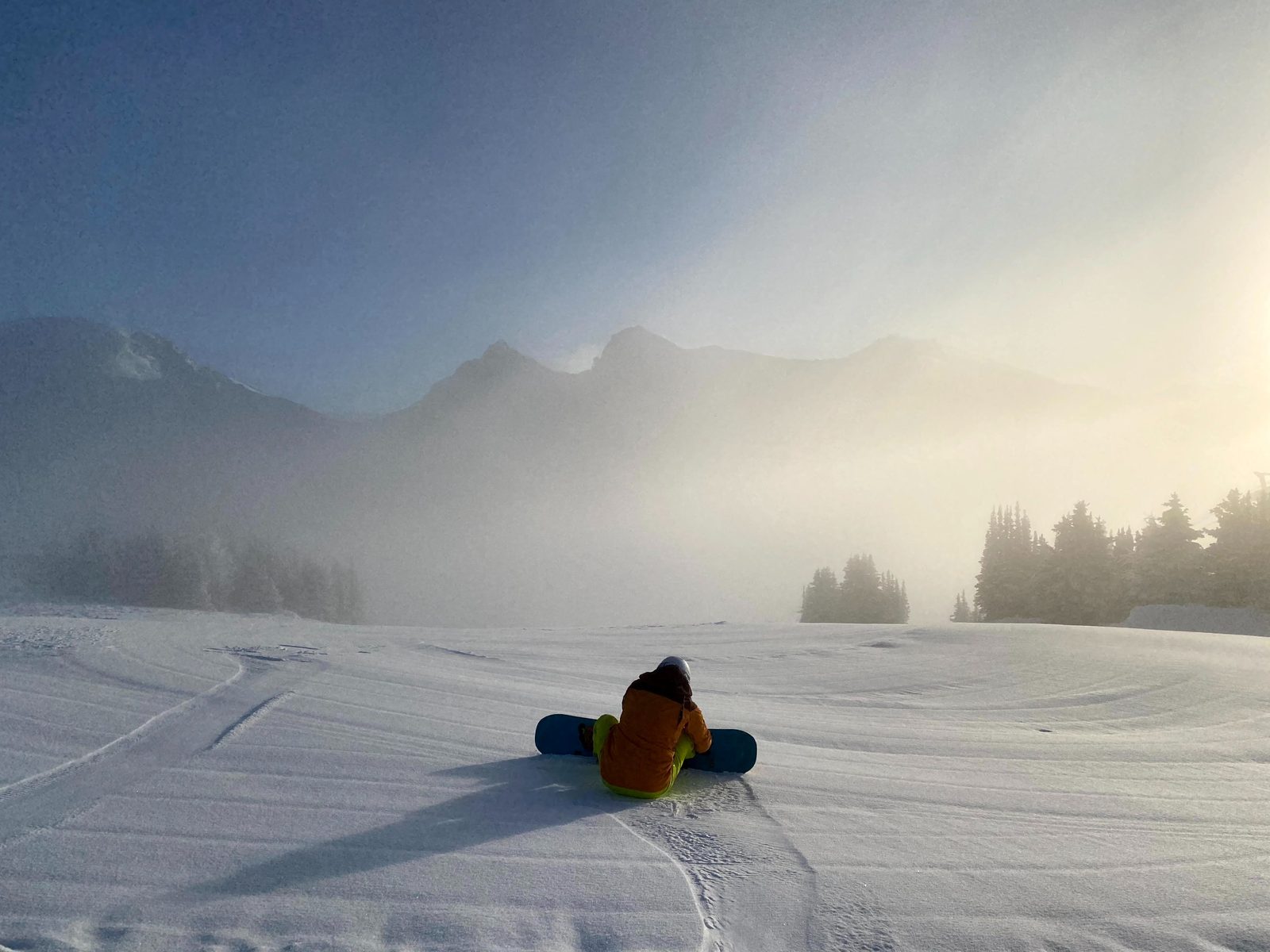
Spitzingsee
Un pintoresco complejo junto al lago en los Alpes bávaros, popular entre las familias de Múnich. 14km de pistas y 600m de desnivel vertical, a solo una hora de la ciudad.
Esta página se ha traducido automáticamente. La versión en inglés es la original. Ver el original en inglés
What to expect at Spitzingsee
Spitzingsee takes its name from a dark alpine lake that sits at 1,084m in a forested basin of the Bavarian Prealps, about an hour south of Munich. The lake freezes in winter, the surrounding peaks fill with snow, and a small, purpose-built ski area spreads across the slopes above - making this one of the closest proper mountain skiing experiences to Germany's biggest city. The resort has been a fixture of the Munich ski scene for decades, drawing a loyal crowd of locals who treat it as their home mountain. The atmosphere is relaxed, unpretentious, and thoroughly Bavarian.
The Spitzingsee ski resort is compact - 14km of pistes across 9 runs, served by 10 lifts including two high-speed quads. The summit reaches 1,580m with a 600m vertical drop back to the base at 980m. Those numbers are modest, but the terrain punches harder than they suggest: the majority of the runs are graded red or black, with steep, often moguled descents through the trees. The longest run stretches 3.5km, and the 247-acre ski area has an expansive, open feel despite the limited piste count. The season typically runs from early December through late March.
Spitzingsee on film
Skiing and staying in Spitzingsee
Estación de esquí Spitzingsee
Spitzingsee, que toma su nombre del oscuro lago alpino a 1.084m, se asienta en una cuenca boscosa de los Prealpes bávaros, aproximadamente a una hora al sur de Múnich. En invierno, el lago se congela y los picos circundantes se cubren de nieve, lo que lo convierte en una de las experiencias de esquí de montaña sustanciales más cercanas a la ciudad más grande de Alemania. La estación ha sido un punto de referencia para los esquiadores de Múnich durante décadas, atrayendo a un público fiel. El ambiente sigue siendo relajado, sin pretensiones y distintivamente bávaro.
Esta estación de esquí es compacta, ofreciendo 14km de pistas en 9 descensos, atendidos por 10 remontes, incluyendo dos telesillas cuádruples de alta velocidad. La cumbre alcanza los 1.580m, proporcionando un desnivel de 600m hasta la base a 980m. Aunque estas cifras parecen modestas, el terreno ofrece más desafío de lo que implican: la mayoría de los descensos están clasificados como rojos o negros, con bajadas empinadas, a menudo con baches, a través de los árboles. La pista más larga se extiende 3.5km, y la zona de esquí de 247 acres se siente amplia a pesar del número limitado de pistas. La temporada suele ir desde principios de diciembre hasta finales de marzo.
Esquí y snowboard en Spitzingsee
El esquí en Spitzingsee se centra en los picos Stumpfling y Rosskopf, situados sobre el lago. El terreno es notablemente empinado para su altitud, con densos bosques que bordean la mayoría de los descensos y cuencas abiertas en las elevaciones más altas. A pesar de sus 14km de pistas, la montaña se siente más grande una vez que estás en ella; el terreno variado, las características naturales y el esquí entre árboles proporcionan una mayor riqueza que lo que sugieren las estadísticas puras.
La zona de esquí es lo suficientemente pequeña como para ser explorada a fondo en un solo día, lo que la hace adecuada para escapadas de fin de semana o estancias cortas, más que para semanas completas. Los esquiadores experimentados podrían considerar combinar una visita aquí con excursiones de un día a los cercanos Sudelfeld o Brauneck para una variedad adicional. Sin embargo, la calidad del esquí en su propio terreno, particularmente las pistas técnicas y empinadas, es realmente impresionante para una estación situada tan cerca de una ciudad importante.
Esquí para principiantes en Spitzingsee
Los principiantes deben tener en cuenta que el terreno de Spitzingsee tiende generalmente a tener pendientes más pronunciadas. No hay una zona de aprendizaje dedicada en el sentido convencional, y las pistas azules más suaves son limitadas. Sin embargo, la sección inferior cerca del remonte Stumpfling ofrece las pendientes más suaves, y las escuelas de esquí locales utilizan esta zona para enseñar a los principiantes en un entorno manejable y contenido.
Para la primera experiencia de esquí de un novato completo, una estación con un terreno para principiantes más extenso, como Söllereck en Oberstdorf o la zona de aprendizaje dedicada de Sudelfeld, proporcionaría un comienzo más cómodo. Sin embargo, para los principiantes que ya han tenido algunas lecciones y desean progresar a pistas más largas y empinadas, la distribución compacta y el terreno variado de Spitzingsee presentan un desafío natural sin la intimidación de una gran estación.
Esquí avanzado y experto en Spitzingsee
El terreno de Spitzingsee favorece fuertemente a los esquiadores avanzados. Las pistas negras en Rosskopf son empinadas, sostenidas y a menudo con baches, sirviendo como auténticas pruebas que exigen una técnica sólida y buena forma física. Cuando se dejan sin pisar después de una nevada fresca, estas pendientes desarrollan desafiantes líneas de baches que son activamente buscadas por los esquiadores locales. La pendiente se mantiene durante todo el descenso, en lugar de aplanarse a mitad de camino.
El esquí entre árboles y adyacente a las pistas marcadas es donde Spitzingsee realmente sobresale para los esquiadores experimentados. Después de una nevada fresca, el terreno boscoso retiene bien la nieve polvo, ofreciendo un esquí natural entre claros que se siente mucho más aventurero de lo que implica el mapa de pistas. El límite de la zona de esquí de 247 acres es generoso en relación con el número de pistas, lo que indica que existe un terreno realmente esquiable más allá de las pistas preparadas para aquellos con la confianza y la conciencia para explorarlo.
Spitzingsee piste map
The official Spitzingsee piste map showing every run, lift and sector. Zoom in for detail or open it full screen.
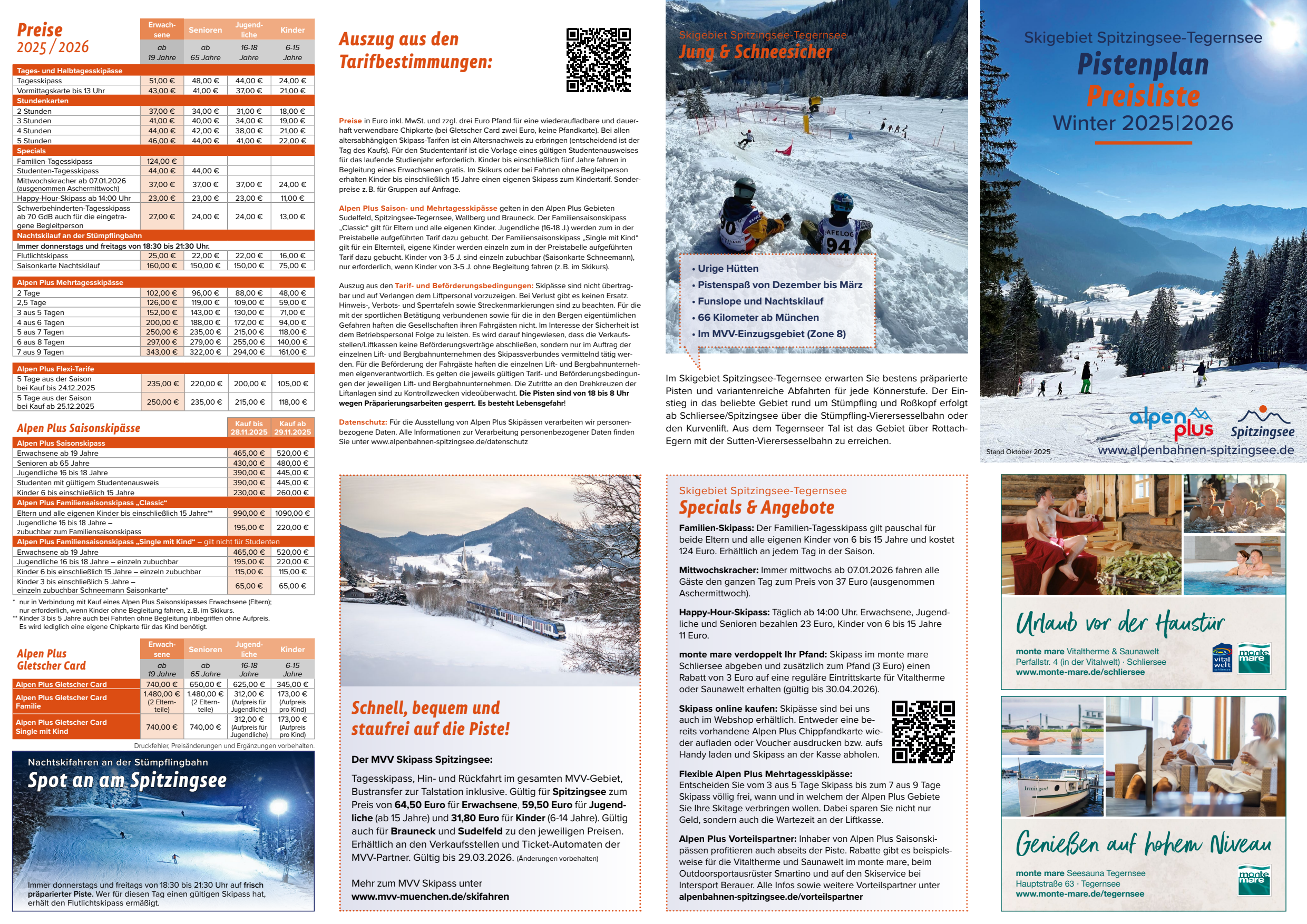
Scroll or pinch to zoom, drag to pan. Map shown: 2020 season.
View and download Spitzingsee ski map ↗Getting to Spitzingsee
- Munich Airport (MUC)1 h 15 min
- Salzburg Airport (SZG)1 h 20 min
- Innsbruck Airport (INN)1 h 50 min
Drive times are estimates based on typical winter road conditions. Book transfers in advance during peak Saturday changeovers.
Spitzingsee FAQs
- ¿Es Spitzingsee bueno para una escapada de esquí de fin de semana desde Múnich?
- Es una de las mejores opciones. La zona de esquí está aproximadamente a una hora en coche de Múnich, con un terreno lo suficientemente variado y empinado para dos días de esquí. Su entorno junto al lago proporciona una atmósfera más distintiva que muchas montañas para excursiones de un día. Las visitas entre semana son notablemente más tranquilas que los fines de semana.
- ¿Es Spitzingsee adecuado para principiantes?
- Solo parcialmente. El terreno está muy orientado al esquí avanzado, con la mayoría de las pistas clasificadas como rojas o negras. Hay terreno limitado para principiantes en la base, y los instructores de esquí pueden enseñar a los novatos, pero una estación con pistas de aprendizaje dedicadas y más pistas azules suaves ofrecería un punto de partida más cómodo para los novatos completos. Los principiantes que ya tienen algo de experiencia en la nieve se las arreglarán mejor.
- ¿Cómo se compara Spitzingsee con Brauneck?
- Ambas son montañas locales populares cerca de Múnich, con terreno empinado y orientado a avanzados. Brauneck es más grande, con 31km de pistas en comparación con los 14km de Spitzingsee, tiene más remontes, y Lenggries es un pueblo base más grande. Spitzingsee es más pequeño pero ofrece un entorno más dramático alrededor de su lago helado, y su esquí entre árboles es una fortaleza notable. Los esquiadores entusiastas a menudo visitan ambas en un solo viaje, ya que están a unos 30 minutos en coche.
- ¿Es fiable la nieve en Spitzingsee?
- La cumbre a 1.580m y el terreno predominantemente orientado al norte ayudan, pero a esta altitud en los Prealpes bávaros, la nieve natural puede ser variable. La nieve artificial cubre las pistas clave, y la temporada suele extenderse desde principios de diciembre hasta finales de marzo. Enero y febrero son los meses más fiables. Las laderas boscosas tienden a retener mejor la nieve que el terreno abierto a altitudes similares.
- ¿Se puede patinar en el lago helado?
- Cuando las condiciones lo permiten, el congelado Spitzingsee se transforma en una pista de patinaje natural, ofreciendo una experiencia maravillosa. Sin embargo, esto depende totalmente de temperaturas frías sostenidas y de un espesor de hielo suficiente. No está garantizado todos los inviernos y está sujeto a evaluaciones de seguridad locales. Por favor, consulte localmente a su llegada para conocer las condiciones actuales.
Resort figures are checked against official resort sources each season. Spotted something out of date? Tell us.
Estaciones cercanas
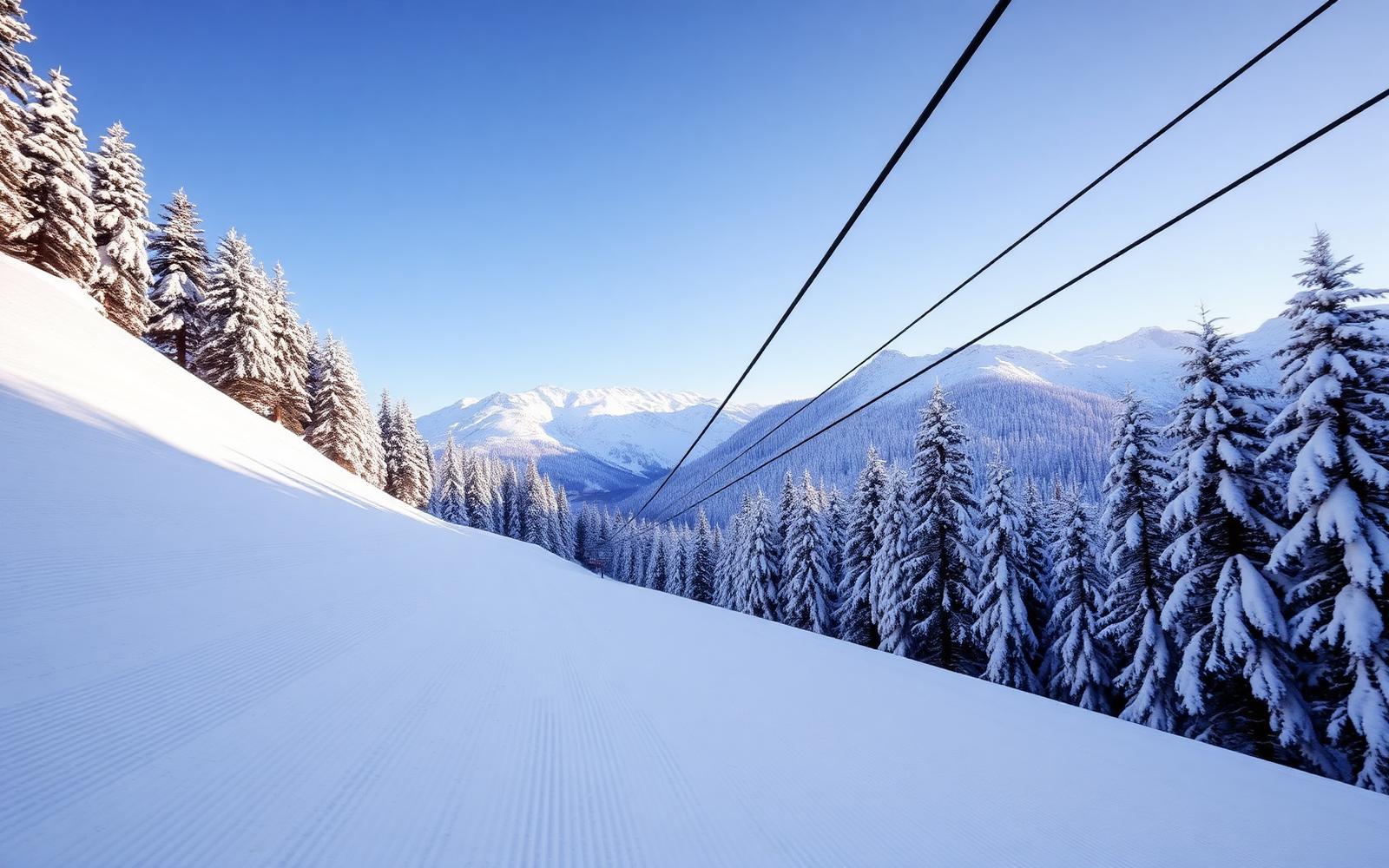
Brauneck
A popular Munich-area resort in the Bavarian Alps with genuine Alpine terrain. 31km of pistes and nearly 1,000m of vertical drop, just an hour from the city.

Söll
Party heavy SkiWelt gateway with easy grooming and a raucous night skiing scene.

Ellmau
Gateway to the SkiWelt, Austria's largest linked ski area, and a family classic.
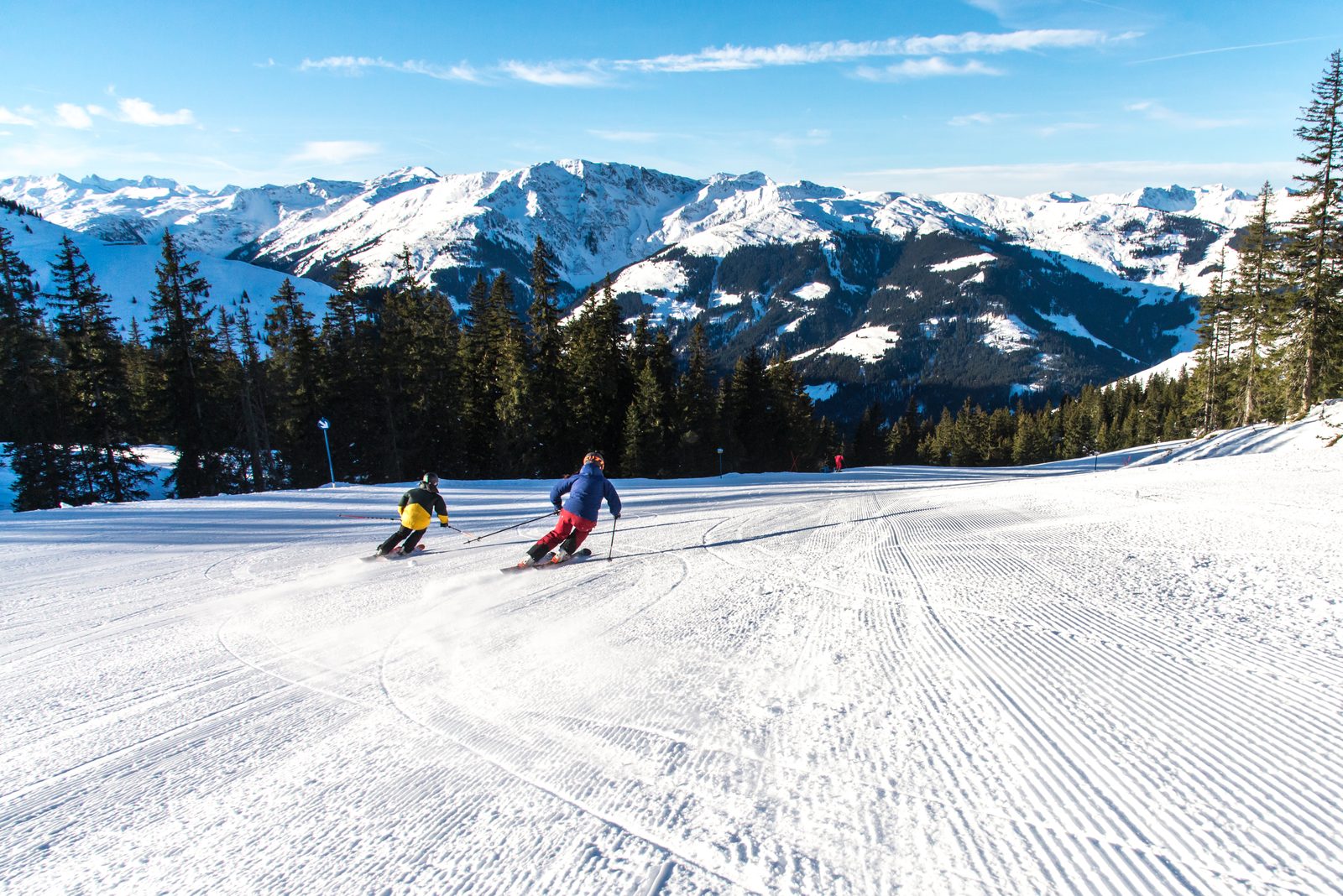
Westendorf
Prettiest of the SkiWelt villages, quieter than Söll with tree lined runs.

Kirchberg
All the skiing of Kitzbühel at a more relaxed pace: a proper Tyrolean village with family-run Gasthöfe and lively après, sharing 188km of KitzSki pistes with its neighbour.
Kaltenbach
A calm, family-friendly Austrian village nestled in the heart of Zillertal valley.

St. Johann in Tirol
Traditional Tyrolean market town at the foot of the Kitzbüheler Horn.
Kitzbühel
Medieval walled town and home of the Hahnenkamm, the most feared downhill in racing.