
Bormio
Romeinse thermale stad met Wereldbeker downhill-geschiedenis en thermale baden aan de voet van de berg.
Deze pagina is machinaal vertaald. De Engelse versie is het origineel. Bekijk het Engelse origineel
What to expect at Bormio
Bormio is a Roman spa town in a valley of the Alta Valtellina, famous for two things: its natural thermal baths (in use since Pliny the Elder) and the Stelvio, the mountain that hosts the World Cup men's downhill every December. The downhill starts at 2,255 m and drops 1,010 vertical metres in one shot to the village at 1,225 m, one of the fastest and steepest descents on the circuit. The wider ski area is 50 km but tickets combine with Santa Caterina and San Colombano for a broader pass. The old town centre is genuinely medieval and worth a walk on the rest day.
Bormio on film
Skiing and staying in Bormio
Skigebied Bormio
Bormio, genesteld in de Valtellina-vallei van de Italiaanse Alpen, is een historische thermale stad. De geplaveide straten en oude gebouwen getuigen van een rijk verleden, inclusief het hosten van de Alpine Ski World Championships en de mannenafdaling voor de Milano Cortina 2026 Winter Olympics. Naast zijn racegeschiedenis trekken de natuurlijke thermale bronnen van Bormio al sinds de Romeinse tijd bezoekers aan, wat een kenmerkende mix van serieuze alpine sport en ontspanning biedt.
Het skigebied beschikt over de grootste skiabele verticale afdaling van Italië, van 1.200m tot meer dan 3.012m bij Cima Bianca. Dit maakt een continue afdaling van 8.5km en 1.817m mogelijk, dwars door weidse, openkommen boven de boomgrens en beschutte bossen beneden. Met 50km aan pistes richt Bormio zich voornamelijk op zelfverzekerde intermediates en gevorderde skiërs, met lange, vloeiende rode pistes en de opvallend steile zwarte Stelvio. Beginners hebben speciale zones op het plateau van Bormio 2000. Het Jungle snowpark en diverse freerideplekken bieden opties voor freestyle- en off-piste liefhebbers. Het seizoen loopt doorgaans van begin december tot half april, met betrouwbare sneeuwcondities op grotere hoogte, aangevuld met sneeuwkanonnen die 80% van de pistes beslaan.
Skiën & snowboarden in Bormio
Skiën en snowboarden in Bormio worden gekenmerkt door de opmerkelijke verticale afdaling. Vanaf Cima Bianca op 3.012m strekt een continue run van 8.5km zich uit tot helemaal in het dorp op 1.200m. Deze lange afdaling biedt een adembenemend uitzicht en wisselt open kommen boven de boomgrens af met beschutte, bosrijke gebieden. De bovenste pistes boven Bormio 2000 hebben uitgestrekte, zonovergoten runs, terwijl de lager gelegen, boomrijke pistes voor beter zicht zorgen op bewolkte dagen.
Het skigebied van Bormio is goed georganiseerd: Bormio 2000 fungeert als het centrale knooppunt met restaurants, beginnerszones en verbindingen naar hoger gelegen terrein. Vanaf hier stijgen liften naar Bormio 3000 en Cima Bianca, waar de beste sneeuw en meest lonende runs te vinden zijn. De iconische Pista Stelvio, thuisbasis van de Wereldbeker afdaling, daalt bijna 1.000m door dit bovenste gedeelte. Hoewel het geen uitgestrekt domein is, zorgen de kwaliteit van het terrein en de uitzonderlijke verticale val ervoor dat elke run substantieel en boeiend aanvoelt.
Beginner en gemiddeld skiën
Het belangrijkste beginnersgebied van Bormio bevindt zich bij Bormio 2000, een zonnig plateau midden op de berg. Deze zone biedt glooiende hellingen, tovermatten en een rustige omgeving, ideaal om te leren. Het is afgescheiden van het snellere verkeer, met een paar gemakkelijke sleepliften om zelfvertrouwen op te bouwen. Zodra de basisvaardigheden zijn verworven, bieden de zachte blauwe pistes die door de bomen slingeren tussen Bormio 2000 en Ciuk uitstekende mogelijkheden voor vooruitgang. Het zuidgerichte aspect van Bormio 2000 zorgt ervoor dat het het grootste deel van de dag zon krijgt, wat de ervaring verbetert.
Voor zelfverzekerde intermediates is het terrein van Bormio bijzonder lonend. Lange rode pistes vanaf Cima Bianca en het Bormio 3000-gebied bieden aanhoudende en bevredigende afdalingen, waardoor brede, vloeiende bochten mogelijk zijn met uitzicht over het Stelvio National Park. Deze rode pistes zijn echt uitdagend, met enkele die neigen naar steilere hellingen, wat zorgt voor een goede workout. Pistes zijn doorgaans niet druk, waardoor er voldoende ruimte is om een comfortabel ritme te vinden. De lange rode piste van Valletta (3.000m) helemaal tot in het dorp wordt beschouwd als een van de meest bevredigende intermediate afdalingen van de Alpen, vooral wanneer vroeg begonnen voordat de lagere hellingen zachter worden.
Gevorderd en expert skiën
Voor gevorderde skiërs is de Pista Stelvio de belangrijkste attractie. Dit Wereldbeker afdalingsparcours duikt bijna 1.000m naar beneden met een aanhoudende helling, wat uitstekende techniek en sterke benen vereist; het is een echte test van bekwaamheid. Naast de geprepareerde pistes biedt de off-piste zone Vallone een andere dimensie aan Bormio. Deze brede, noordwaarts gerichte kom biedt consistente fall-line skiën door gevarieerd terrein.
Het is de moeite waard op te merken dat sommige van Bormio's rode pistes meer aanvoelen als zwarte pistes volgens bredere alpine standaarden, vanwege de royale gradering. Voor experts die verdere uitdagingen zoeken, opent het inschakelen van een alpinegids mogelijkheden voor skitouren binnen het omliggende Stelvio National Park, inclusief routes naar de Forni-vallei.
Bormio in winter
Bormio piste map
The official Bormio piste map showing every run, lift and sector. Zoom in for detail or open it full screen.
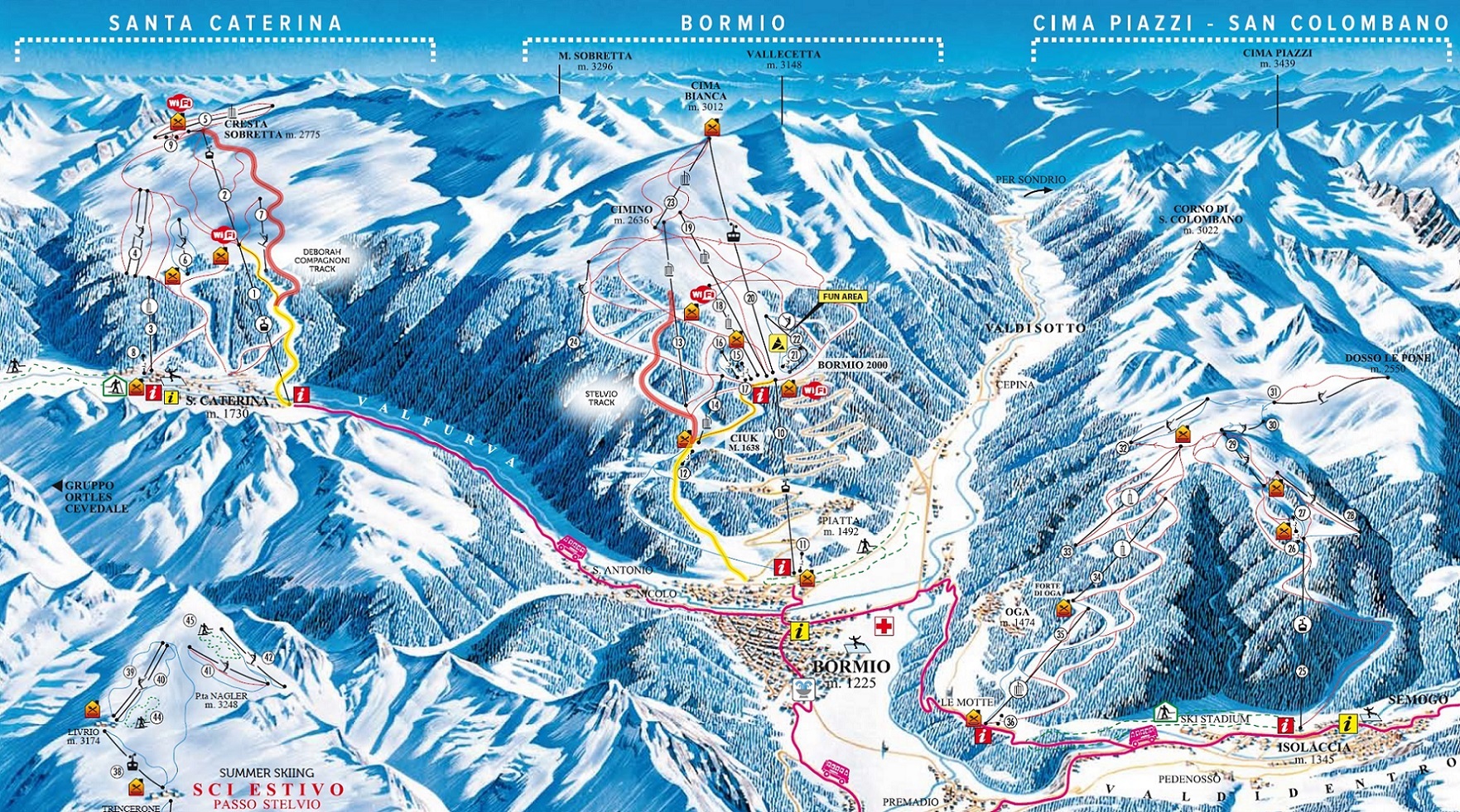
Scroll or pinch to zoom, drag to pan.
View and download Bormio ski map ↗Getting to Bormio
- Bolzano (BZO)73 km by road1 h 40 min
- Milan Bergamo (BGY)102 km by road2 h 19 min
- Innsbruck (INN)115 km by road2 h 37 min
Drive times are estimates based on typical winter road conditions. Book transfers in advance during peak Saturday changeovers.
Bormio FAQs
- Is Bormio goed voor intermediate skiërs?
- Bormio is een uitstekende keuze voor intermediates. Het merendeel van het terrein bestaat uit lange, aanhoudende rode pistes met consistente helling en geweldig uitzicht. Het skigebied stimuleert zelfverzekerd, ritmisch skiën, en de ondrukte pistes zorgen voor voldoende ruimte om bochten te maken.
- Hoe verhoudt Bormio zich tot Livigno?
- Bormio en Livigno bieden heel verschillende ervaringen. Bormio is een historische kuuroordstad met steil, verticaal terrein en een traditionele Italiaanse sfeer. Livigno is een speciaal gebouwd, belastingvrij resort met breder, gevarieerder terrein en een levendigere winkel- en uitgaansscene. Bormio spreekt vaak mensen aan die waarde hechten aan karakter en verticale hoogte, terwijl Livigno geschikt is voor wie op zoek is naar variatie en een modern resort.
- Is Bormio sneeuwzeker?
- De bovenste pistes boven 2.000m zijn over het algemeen sneeuwzeker gedurende het hele seizoen, en de top op 3.012m houdt de sneeuw goed vast. Lager gelegen, kan de basishoogte van 1.200m betekenen dat de natuurlijke sneeuwlaag soms dun is, maar Bormio heeft zwaar geïnvesteerd in sneeuwkanonnen, die ongeveer 80% van de pistes beslaan, wat zorgt voor skiën van top tot dal gedurende het hele seizoen.
- Zijn de thermale baden een bezoek waard?
- De thermale baden zijn een van Bormio's grootste trekpleisters naast het skiën. QC Terme Bagni Vecchi is zeer sfeervol, met oude Romeinse baden uitgehouwen in de berghelling met thermale buitenbaden en panoramisch uitzicht. QC Terme Bagni Nuovi is verfijnder, met uitgebreide tuinen en een scala aan behandelingen. Bormio Terme, gelegen in het stadscentrum, is ideaal voor gezinnen, met speciale kinderbaden en glijbanen. Alle drie maken gebruik van natuurlijk verwarmd bronwater.
- Is Bormio geschikt voor gezinnen?
- Bormio is zeer geschikt voor gezinnen. Het speciale beginnersgebied bij Bormio 2000 is beschut en zonnig, skischolen bieden gevestigde kinderprogramma's, en Bormio Terme biedt een uitstekende activiteit buiten de piste voor het hele gezin. De stad zelf heeft een ontspannen, gastvrije sfeer, en restaurants zijn oprecht gezinsvriendelijk.
Resort figures are checked against official resort sources each season. Spotted something out of date? Tell us.
Skigebieden in de buurt
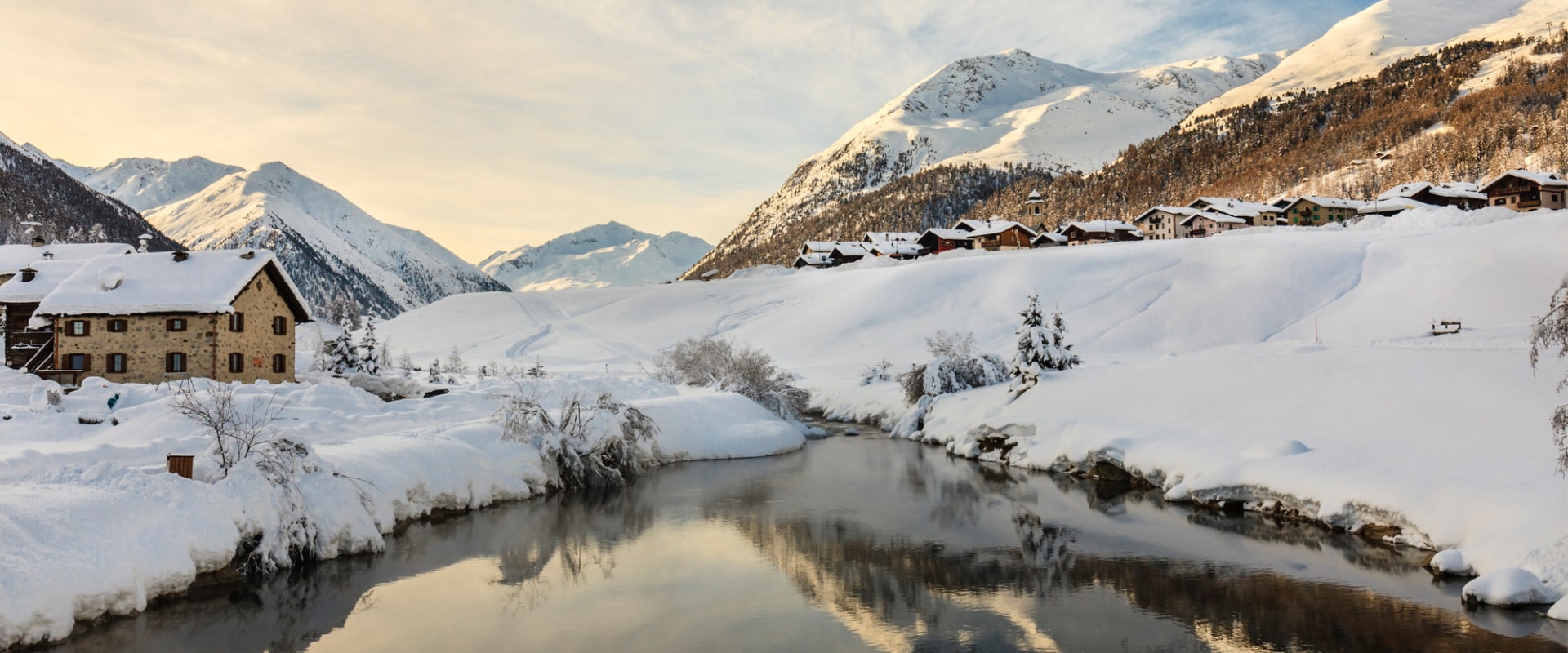
Livigno
A tax-free destination, visitors enjoy Livigno's lower prices as well as the epic freeriding and famous snowparks

Passo Tonale
High altitude Presena glacier resort with reliable snow well into spring.
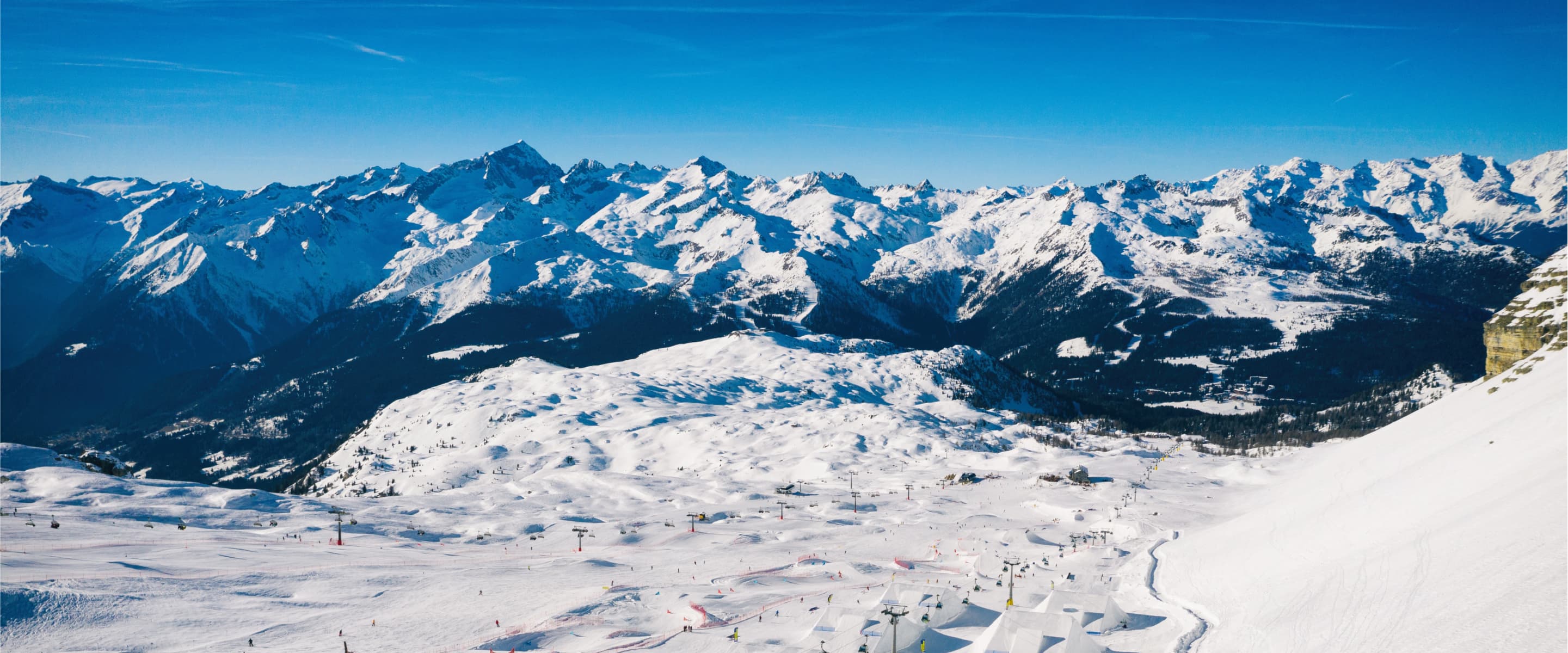
Val di Sole
Dolomitic panoramas, glacier-top trails and three linked ski areas on a single pass.
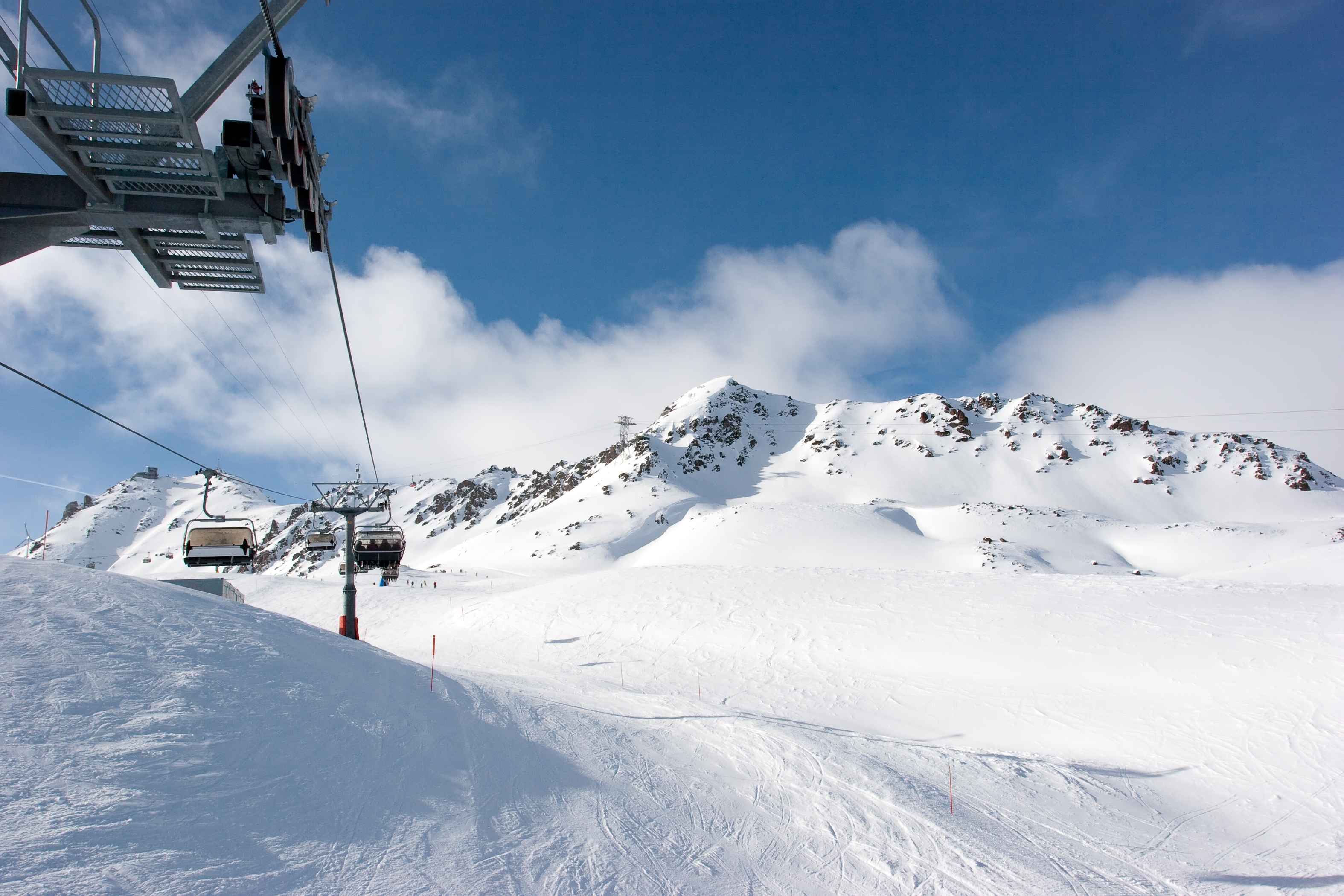
St. Moritz
Belle Époque glamour, 300 days of sun a year and skiing across three connected areas.

Madonna di Campiglio
Chic Brenta Dolomites resort with silky smooth grooming and a strong Italian après scene.
Samnaun
A duty-free Swiss village linked with Ischgl to form the Silvretta Arena. 239km of cross-border skiing between Switzerland and Austria.
Davos Klosters
Carve first tracks with a sunrise experience or test your skills on the slopes at night under the floodlights.
Galtur
A family paradise at one of Austria's highest altitudes