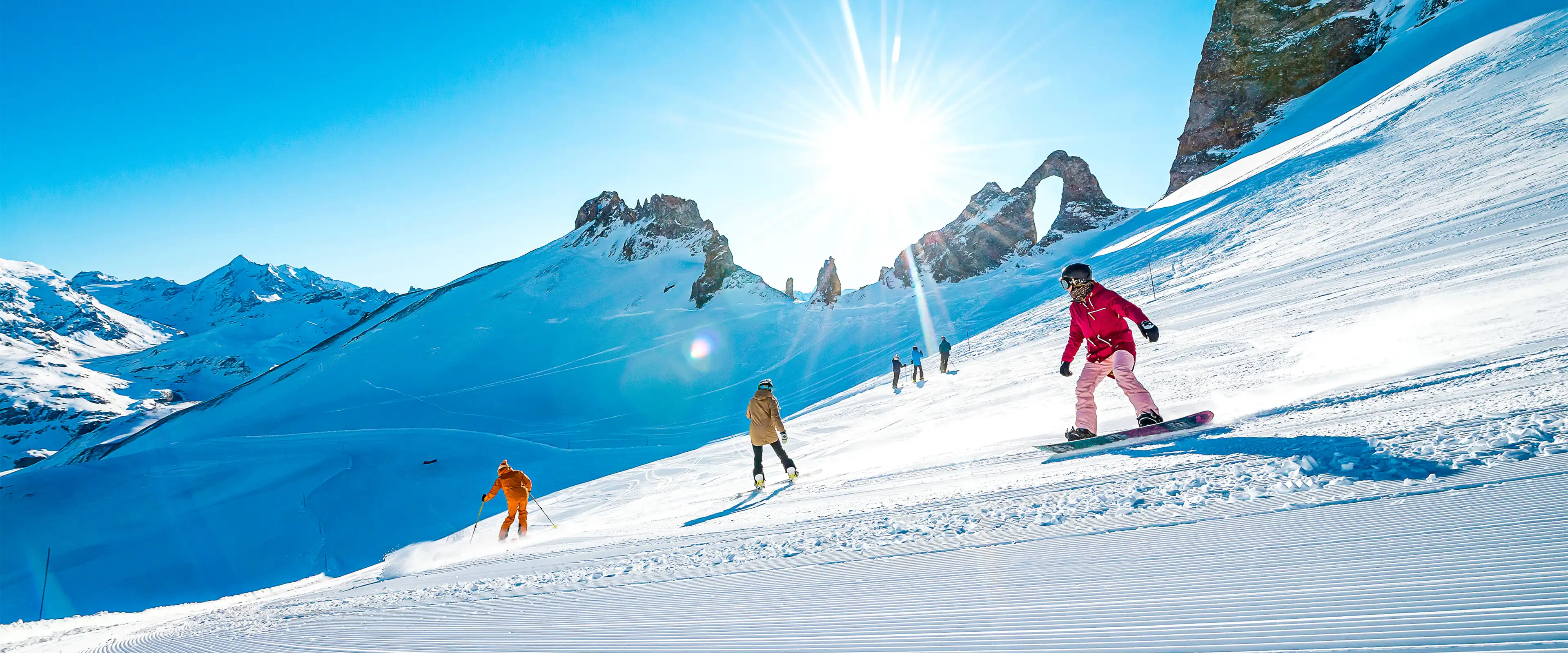
Tignes
Wereldberoemd om zijn skiën op grote hoogte, uitgebreid terrein en betrouwbare sneeuwcondities het hele jaar door.
Deze pagina is machinaal vertaald. De Engelse versie is het origineel. Bekijk het Engelse origineel
What to expect at Tignes
Tignes is the higher, harder half of the Espace Killy. The old village of Tignes-le-Lac sits at 2,100 m beside a frozen lake, and the Grande Motte glacier at 3,456 m guarantees skiing from late September through May. Locals will point out that Tignes skiing is really about the terrain between the villages: the wide-open north face of Tovière, the freeride bowls under the Aiguille Percée, and the low-angle glacier itself which stays skiable when the tree line has closed for the summer. The village architecture is unlovely, a lesson learned by Val d'Isère across the ridge, but the trade-off is unbeatable snow reliability.
Tignes on film
Skiing and staying in Tignes
Overzicht Tignes
Tignes, hoog genesteld in de Franse Alpen, biedt een uitzonderlijke ski-ervaring op grote hoogte. Met zijn basis op 2.100m en pistes die de 3.456m bereiken op de Grande Motte-gletsjer, staat het bekend als een van de meest sneeuwzekere resorts van Europa. Samen met Val d'Isère vormt Tignes het uitgebreide skigebied Tignes - Val d'Isère, met 300km aan pistes en 154 afdalingen, geschikt voor alle niveaus, van zachte beginnerspistes tot uitdagende off-piste. Het resort beschikt ook over een uitstekend snowpark en een levendige après-ski scene.
Het resort bestaat uit verschillende afzonderlijke dorpen, elk met een eigen karakter. Tignes Le Lac wordt beschouwd als het bruisende hart, terwijl Tignes Val Claret handige ski-in, ski-out toegang biedt. Tignes 1800 is een rustigere, meer betaalbare optie, en het traditionele dorp Tignes Les Brévières zorgt voor een charmante, authentieke alpine sfeer. Alle dorpen richten zich op hoogwaardig skiën en snowboarden.
Skiën en snowboarden in Tignes
Tignes biedt een uitstekend speelterrein voor skiërs en snowboarders van alle niveaus, en belooft gedurende je verblijf steeds fris terrein en gevarieerde omstandigheden. De 161 pistes omvatten lange, glooiende afdalingen, ideaal om te cruisen, evenals steilere secties die precisie vereisen. De hoge ligging garandeert een constante sneeuwkwaliteit, wat zorgt voor diverse ervaringen, van verse poedersneeuw in de ochtend tot perfect geprepareerde pistes in de middag. De enorme omvang van het Tignes - Val d'Isère-gebied betekent dat je een volle week lang dagelijks nieuwe routes kunt verkennen.
Skiën voor alle niveaus
Ondanks zijn reputatie voor expertterrein, is Tignes verrassend gastvrij voor beginners. Speciale kinderlanden in Le Lac en Val Claret bieden zachte hellingen met 'magic carpet'-liften, wat zorgt voor een ontspannen leeromgeving. De hoge sneeuwkwaliteit maakt het leren skiën hier ook vergevingsgezinder. Engelssprekende instructeurs van ESF en onafhankelijke skischolen zijn gemakkelijk beschikbaar om nieuwe skiërs te begeleiden.
Gevorderde skiërs ontdekken een breed scala aan terrein, met honderden kilometers aan onberispelijk geprepareerde blauwe en rode pistes die afdalen vanaf de Grande Motte, Col de Fresse en naar Val d'Isère. Het is gemakkelijk om dagelijks aanzienlijke afstanden af te leggen zonder een piste te herhalen. De Aiguille Percée-sector biedt prachtige pistes voor gemiddelde skiërs met adembenemende uitzichten, terwijl de lange, schilderachtige verticale afdaling van 1.200m van de Grande Motte naar Les Brévières bijzonder bevredigend is.
Gevorderde en expertskiërs zullen merken dat Tignes hier echt tot zijn recht komt. De zwarte pistes onder de Palafour-stoeltjeslift zijn berucht steil en vaak vol met moguls, en de Sache-piste, een smalle, steile geul, is een uitdagende beproeving. Na verse sneeuwval is de Aiguille Percée-sector een favoriete plek voor poederliefhebbers. Voor uitgebreide off-piste avonturen bieden routes zoals de Vallée Perdue, de Chardonnet-couloirs en de Grand Pré-route serieuze afdalingen; een lokale gids is essentieel voor het veilig navigeren door dit uitdagende backcountry-terrein.
Tignes in winter
Tignes piste map
The official Tignes piste map showing every run, lift and sector. Zoom in for detail or open it full screen.
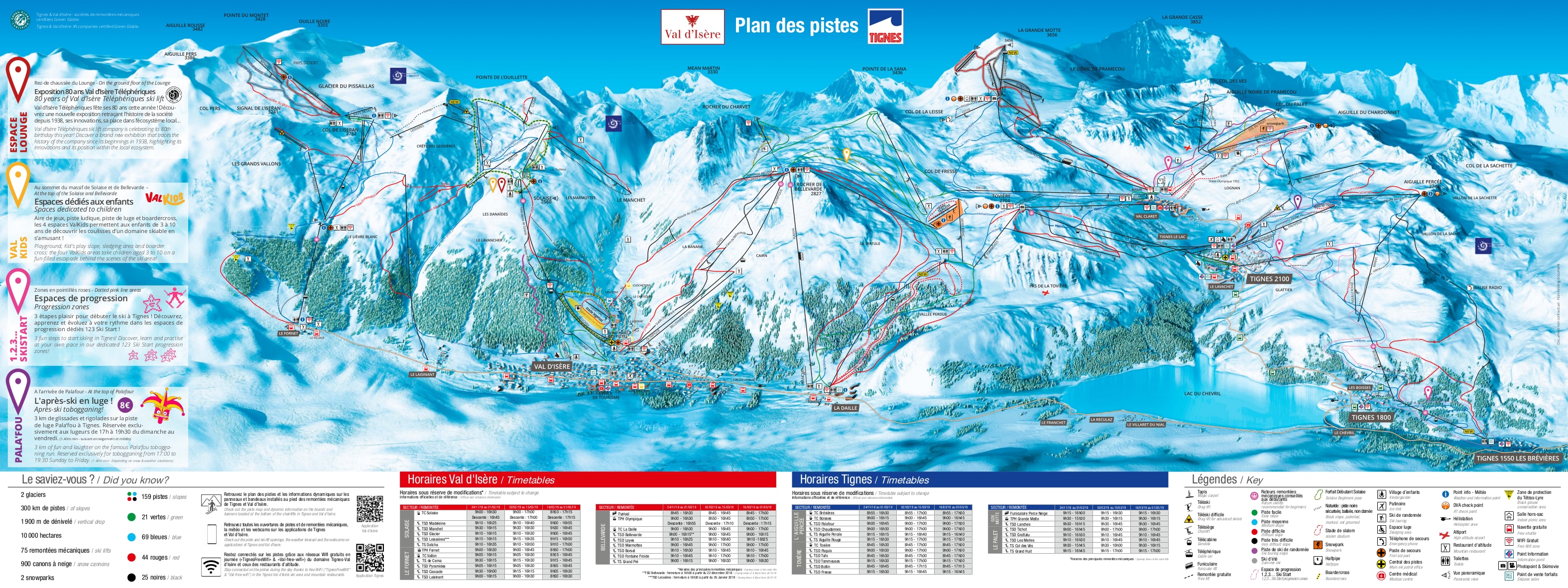
Scroll or pinch to zoom, drag to pan.
View and download Tignes ski map ↗Getting to Tignes
- Chambery Airport (CMF)2 h 30 min
- Grenoble Airport (GNB)2 h 30 min
- Lyon Airport (LYS)3 h
- Geneva Airport (GVA)3 h 30 min
Drive times are estimates based on typical winter road conditions. Book transfers in advance during peak Saturday changeovers.
Tignes FAQs
- Is Tignes goed voor beginners?
- Ja, Tignes is een goede keuze voor beginners. De oefenpistes in Le Lac en Val Claret zijn zacht en worden bediend door gratis liften, wat een duidelijke progressie biedt naar langere groene en blauwe pistes. De hoge ligging zorgt voor betrouwbare sneeuw, wat betekent dat je waarschijnlijk niet leert skiën op ijzige of kale hellingen. Echter, de lay-out van het resort en de hoogalpiene omgeving zijn veeleisender dan sommige lager gelegen, speciaal gebouwde beginnersresorts, wat beginners aanmoedigt om uit te groeien tot zelfverzekerde bergskiërs.
- Hoe betrouwbaar is de sneeuw in Tignes?
- De sneeuwzekerheid in Tignes is uitzonderlijk hoog. De basis van het resort op 2.100m, een van de hoogste van Europa, en de Grande Motte-gletsjer die zich uitstrekt tot 3.456m, betekenen dat natuurlijke sneeuwval doorgaans aanhoudt van november tot mei. De gletsjer maakt zelfs herfstskiën mogelijk. Tignes ontvangt jaarlijks gemiddeld 5 meter sneeuwval, en er is aanzienlijk geïnvesteerd in sneeuwkanonnen op belangrijke pistes. In tegenstelling tot lager gelegen resorts behoudt Tignes over het algemeen uitstekende sneeuwcondities, zelfs in jaren met minder sneeuwval in de Alpen.
- Is Tignes beter dan Val d'Isère?
- Tignes en Val d'Isère bieden verschillende ervaringen, waarbij de Tignes - Val d'Isère skipas beide omvat. Tignes is over het algemeen betaalbaarder en heeft een jongere, meer ontspannen sfeer. Val d'Isère heeft meer traditionele alpine charme, superieure eetgelegenheden en een luxueuzere après-ski scene. Skiërs geven vaak de voorkeur aan de zuidelijke hellingen van Val d'Isère vroeg in het seizoen vanwege de zon, terwijl het noordelijke terrein van Tignes de sneeuw beter behoudt in het voorjaar. De meeste bezoekers verkennen beide resorts tijdens hun reis.
- Hoe druk is Tignes?
- Als groot resort kent Tignes piek drukte tijdens de Franse schoolvakanties (februari), de Britse voorjaarsvakantie, Kerstmis en Pasen. Echter, de enorme omvang van het Tignes - Val d'Isère-gebied verspreidt de drukte effectief. Wachtrijen bij liften duren zelden langer dan 10-15 minuten, behalve misschien voor de Grande Motte-funiculaire op poederdagen. Buiten de piekweken heb je vaak het gevoel dat je de berg voor jezelf hebt. De uitgestrektheid van het resort betekent dat rustige gebieden altijd toegankelijk zijn, zelfs tijdens drukke periodes.
- In welk dorp in Tignes moet ik verblijven?
- Het beste dorp hangt af van individuele prioriteiten. Val Claret biedt de meest handige ski-in, ski-out toegang en ligt het dichtst bij de gletsjer. Le Lac is het sociale centrum, met de meeste winkels, restaurants en bars. Tignes 1800 is een rustigere, meer economische keuze, verbonden door een gondel. Les Brévières is charmant en traditioneel, maar vereist een lift om het belangrijkste skigebied te bereiken. Veel beginners geven de voorkeur aan Le Lac vanwege het gemak, terwijl serieuze skiërs vaak Val Claret kiezen.
Resort figures are checked against official resort sources each season. Spotted something out of date? Tell us.
Skigebieden in de buurt
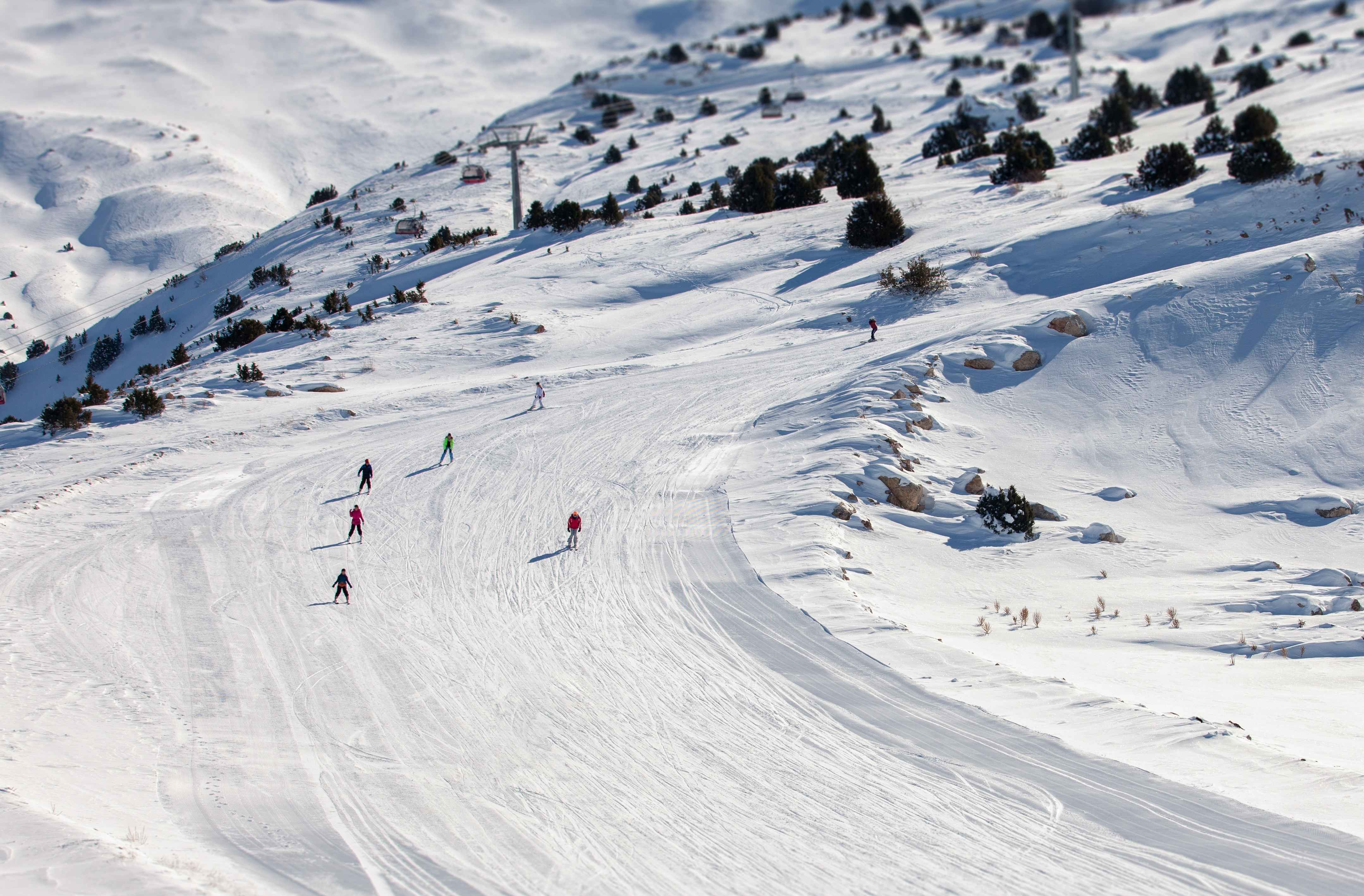
Val d'Isère
Elegant World Cup village with 300 km of linked pistes and world class off piste.
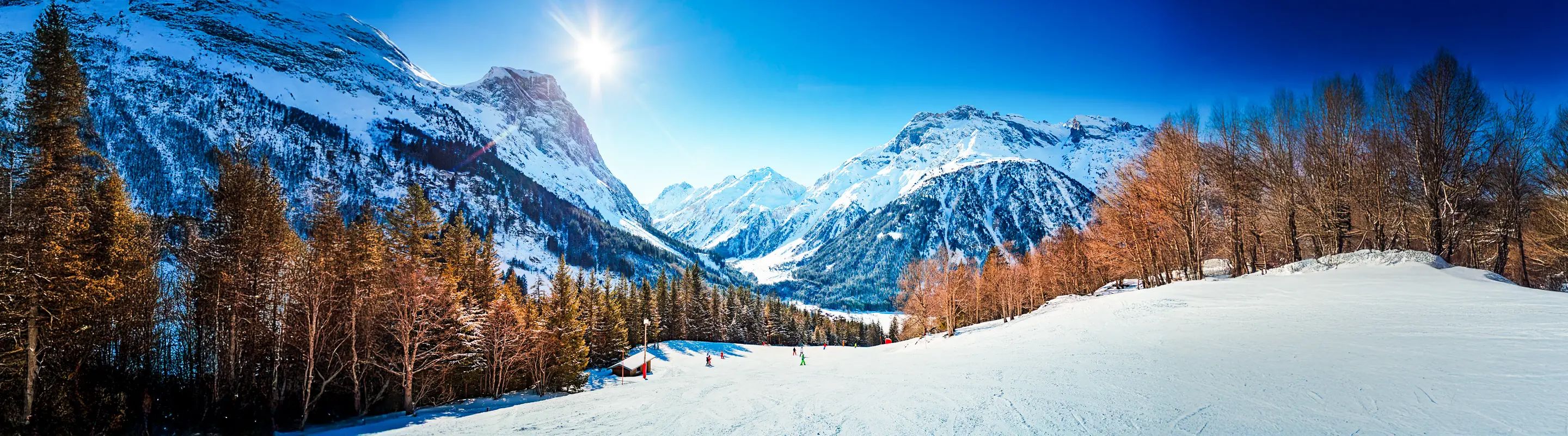
Les Arcs
Four unique alpine villages, making up one resort; with something to offer everyone both on and off the slopes.

Sainte-Foy Tarentaise
Small, quiet off piste secret in the Tarentaise with genuine ski touring access.

La Plagne
One of the world's largest ski resorts, offering exceptional terrain for every level and France's only bobsleigh track.
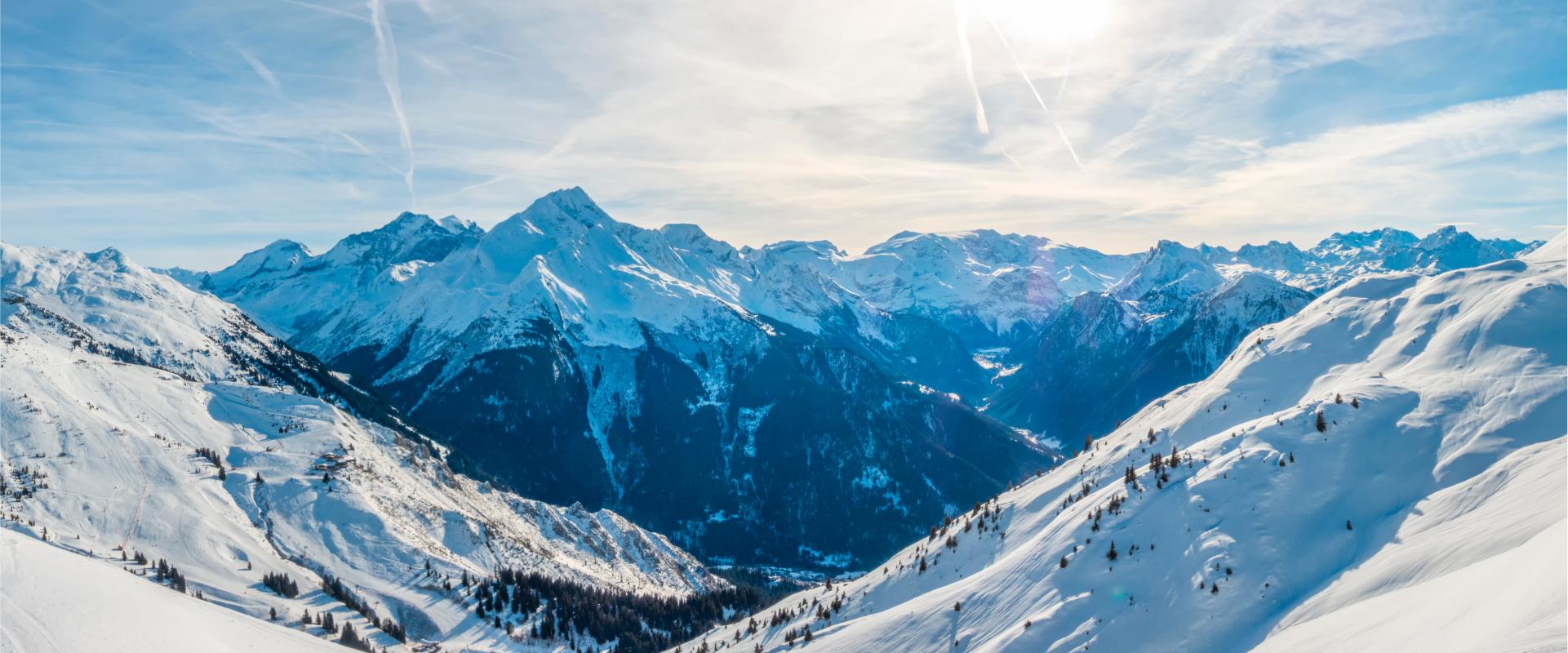
Champagny-En-Vanoise
A peaceful, traditional village on the edge of Paradiski, with easy access to high-altitude skiing and unforgettable alpine scenery.

La Rosière
Sunny south facing village linked to La Thuile in Italy over the Petit Saint Bernard.
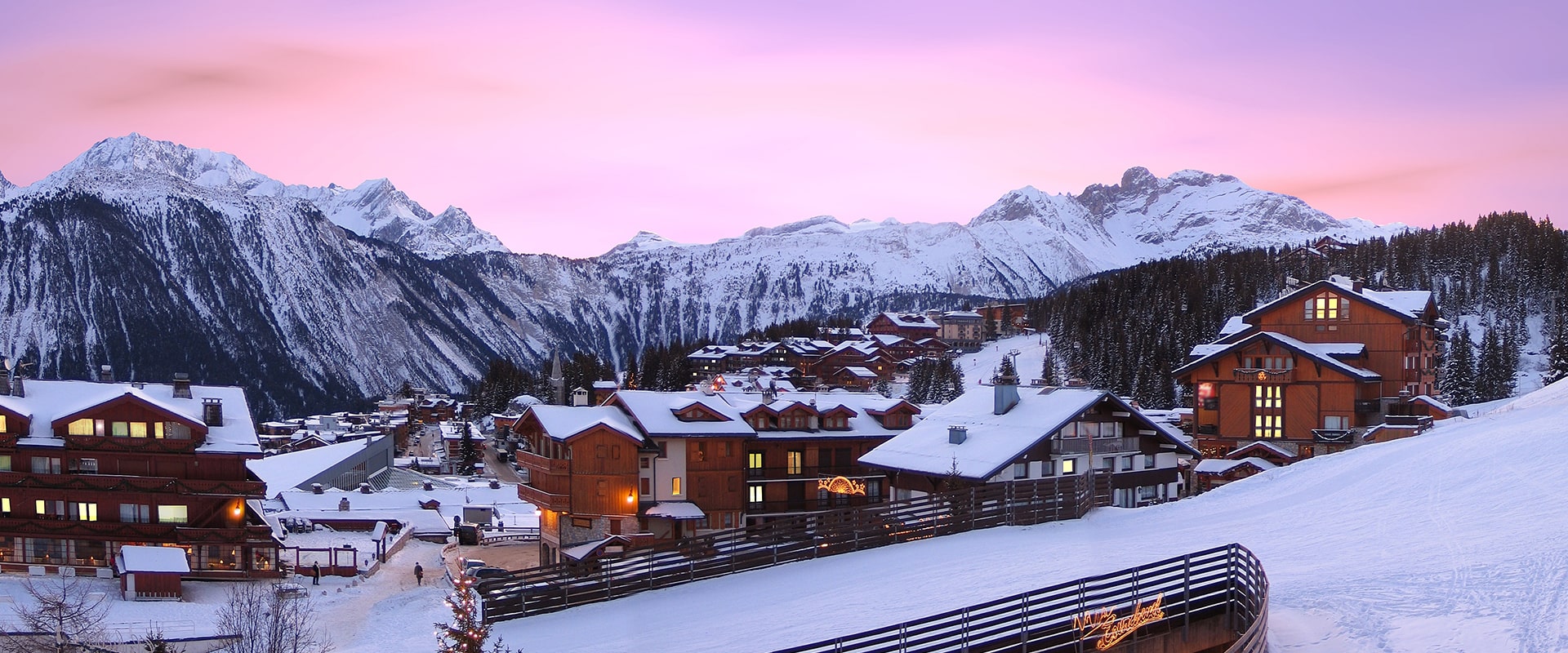
Courchevel
This glamorous French ski resort is known as the jewel in the crown of the world's biggest ski area, the Three Valleys.
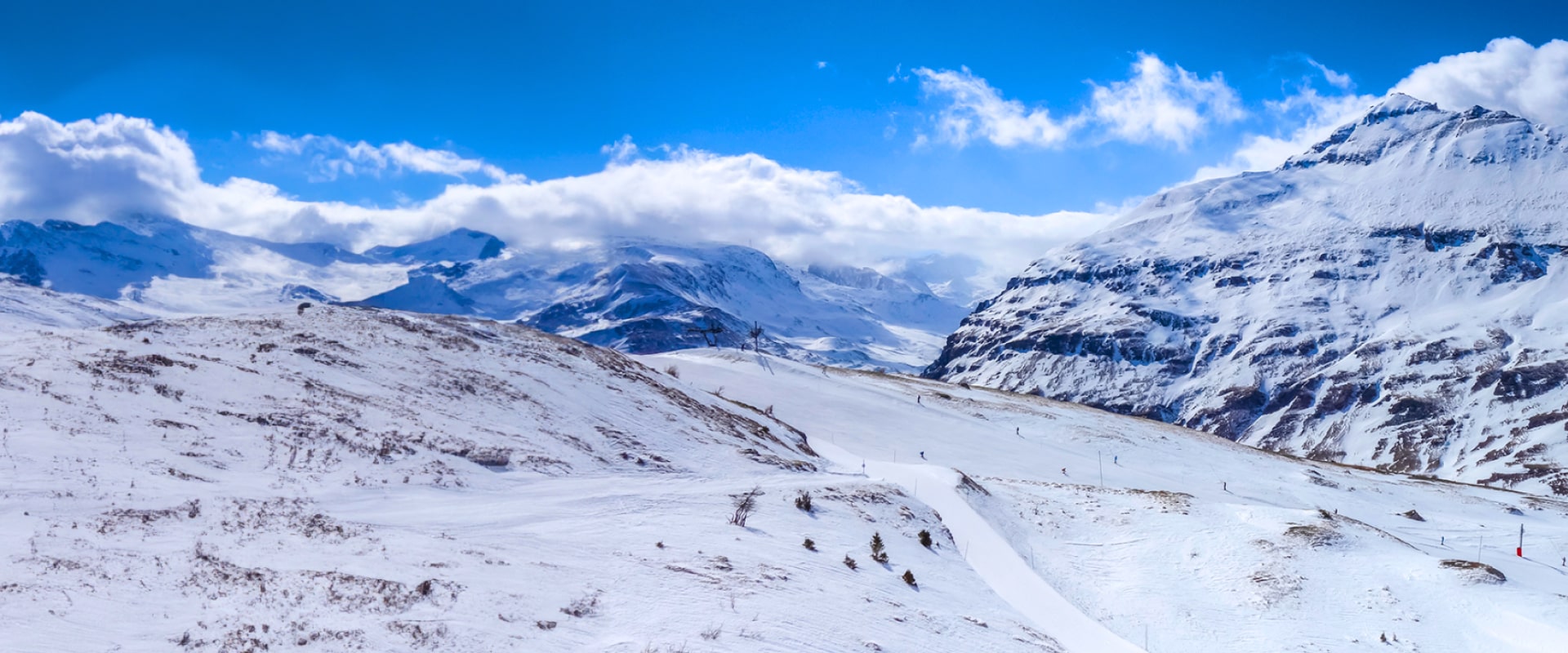
Val Cenis
A French ski paradise with 125 km of slopes, reliable snow, and vibrant après-ski.