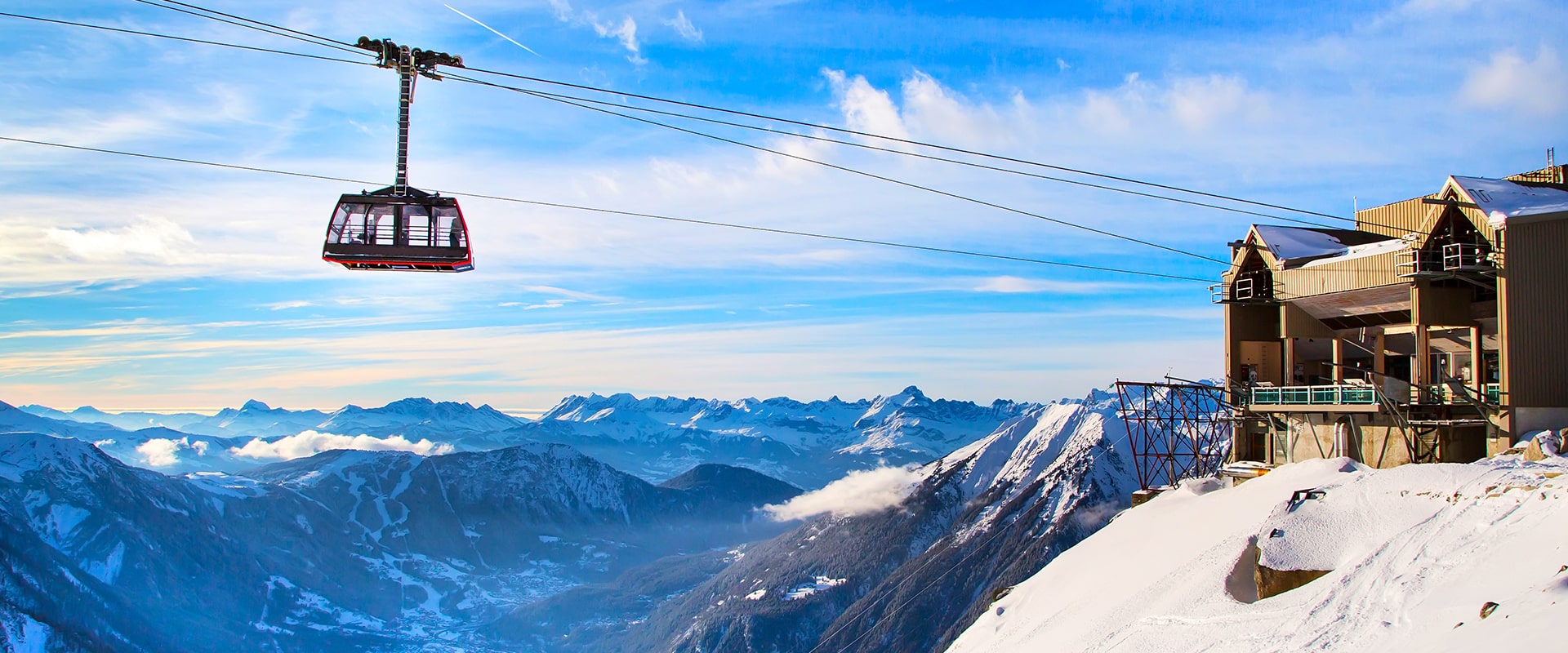
Chamonix
Best known as the birthplace of extreme skiing, it is considered one of the most famous ski resorts in the world.
What to expect at Chamonix
Chamonix isn't really one ski area, it's five separate mountains strung along a valley overshadowed by Mont Blanc. Brévent-Flégère opens sunny south-facing bowls across the valley from the Aiguilles, Grands Montets is the freeriders' cathedral above Argentière, and Les Houches hides the sheltered tree runs that save the trip when the weather closes in. The village itself is a proper alpine town with a pedestrianised centre, church-square markets and a climbing museum that hints at what really goes on here. The Vallée Blanche remains the trip-of-a-lifetime descent: 22 km of glacier from the Aiguille du Midi at 3,842 m, guide compulsory, crevasses and all.
Chamonix on film
Skiing and staying in Chamonix
Chamonix Mont-Blanc ski resort
Chamonix is distinctive among Alpine resorts. Set beneath the dramatic, jagged peaks of Mont Blanc, Western Europe's highest summit, it is a genuine, historic mountain town. This is not a purpose-built resort, but rather the birthplace of modern mountaineering, attracting freeriders, mountaineers, and families alike. Chamonix delivers an authentic, raw Alpine experience, blending serious skiing with a rich French mountain culture.
The resort offers a variety unmatched by many, drawing skiers and snowboarders of all abilities. From steep, north-facing couloirs to gentle, sunny pistes, the terrain provides stunning views and memorable experiences.
Skiing and snowboarding in Chamonix
Skiing or snowboarding in Chamonix involves navigating a true mountain environment. The terrain demands attention and skill, rather than simply cruising groomed pistes. Its five distinct ski areas each offer unique challenges, from legendary off-piste routes and steep, north-facing couloirs to gentle, tree-lined runs, providing an exceptional Alpine experience.
Beginner and intermediate skiing
While not a traditional beginner's destination, Chamonix offers suitable learning areas. The valley's northern end features gentle nursery slopes and long, wide green runs. Les Houches provides excellent terrain for new skiers, with gentle gradients and tree-lined blue runs offering a more forgiving environment than the main valley. Once comfortable, progress to the longer blue runs at Brévent-Flégère, where the Mont Blanc views are spectacular. Travel between areas often requires a bus, which is an integral part of the Chamonix experience.
Chamonix is often overlooked by intermediate skiers, yet it provides superb cruising with breathtaking Mont Blanc vistas. Confident intermediates will find plenty to explore across the valley, with consistent sunshine enhancing conditions. Brévent-Flégère and Grands Montets offer long blue and red runs, with a link between these areas providing extensive terrain. At Les Houches, the Kandahar World Cup downhill run allows intermediates to experience a famous piste without requiring expert-level skills. Le Tour-Balme also features excellent intermediate terrain, often with fewer crowds.
Advanced and expert skiing
Chamonix's reputation for expert terrain is well-earned. The Grands Montets glacier provides some of Europe's most challenging lift-served terrain, with steep, sustained pitches. When conditions are right, the Point de Vue and the steep runs off the Bochard gondola demonstrate why serious skiers frequent this area.
For an ultimate challenge, the Vallée Blanche, a 20km off-piste descent from the Aiguille du Midi, is a must-do. While not technically extreme (a confident intermediate can manage it in good conditions), a guide is essential due to the glacial terrain. Beyond marked runs, Chamonix's backcountry offers world-class couloirs, glaciers, and endless lines for those with the necessary skills and experience to explore safely.
Chamonix in winter
Chamonix piste map
The official Chamonix piste map showing every run, lift and sector. Zoom in for detail or open it full screen.
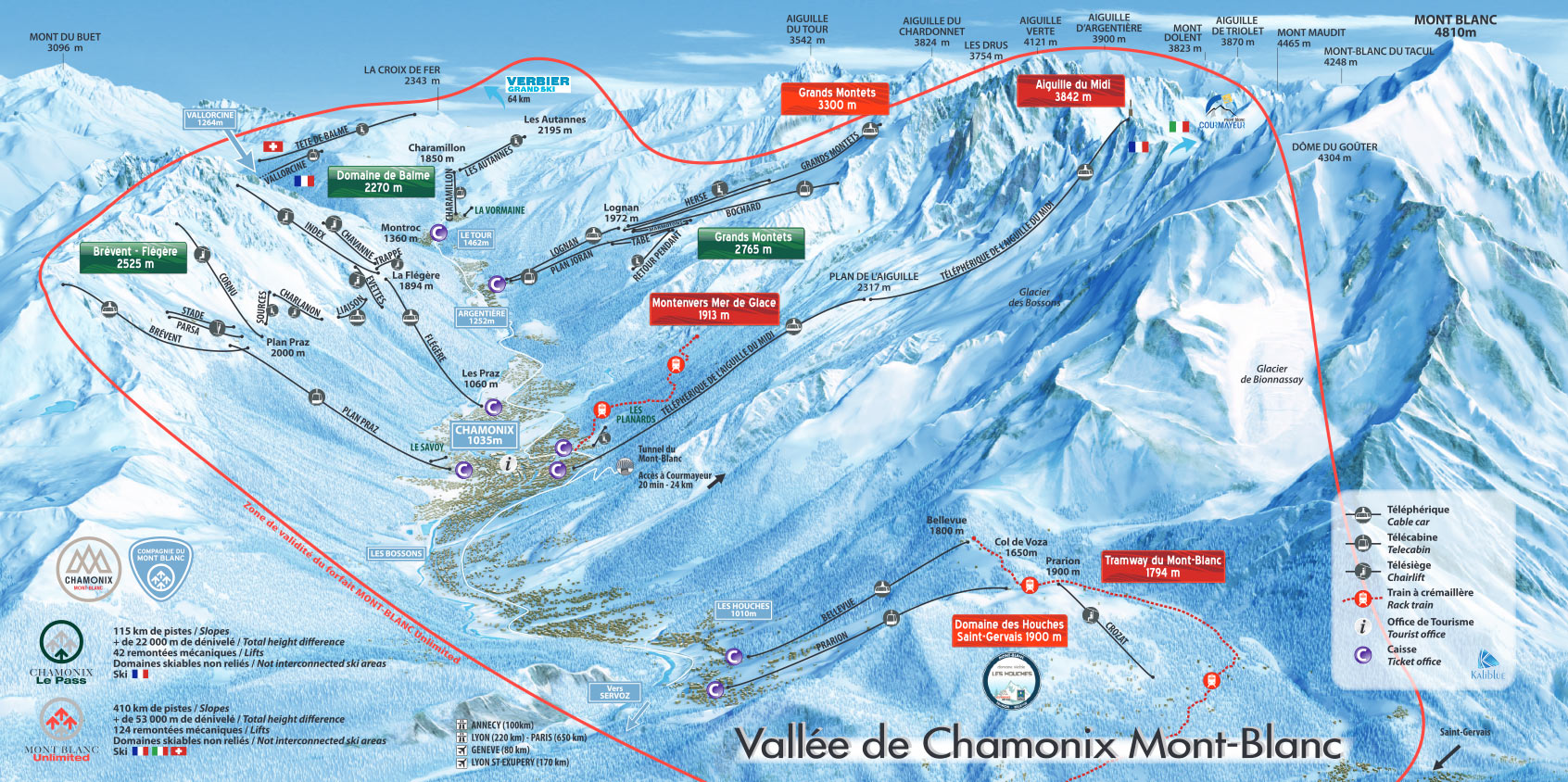
Scroll or pinch to zoom, drag to pan.
View and download Chamonix ski map ↗Getting to Chamonix
- Geneva Airport (GVA)2 h
- Chambery Airport (CMF)2 h
- Turin Airport (TRN)2 h 15 min
- Lyon Airport (LYS)2 h 30 min
Drive times are estimates based on typical winter road conditions. Book transfers in advance during peak Saturday changeovers.
Chamonix FAQs
- Is Chamonix good for beginners?
- Chamonix can accommodate beginners, though it is not the most obvious choice. Le Tour and Les Houches provide gentle, confidence-building terrain with excellent ski schools. The challenge lies in the resort's separate ski areas, which prevent seamless progression from green to blue to red runs within one connected domain. However, learning in Chamonix offers a unique experience, set in an authentic mountain environment with stunning scenery and genuine Alpine culture.
- Is Chamonix worth it for intermediate skiers?
- Absolutely. Confident intermediates will find abundant terrain across Brévent-Flégère, Le Tour, and Les Houches. The variety across these areas maintains interest, and the opportunity to advance to more challenging terrain as confidence grows is excellent. Skiers will also develop all-mountain skills rather than just cruising groomed pistes.
- How reliable is the snow in Chamonix?
- Chamonix's altitude range, from 1,035m to 3,842m, generally ensures excellent snow reliability, especially at Grands Montets and on higher slopes. The north-facing terrain retains snow well, even during warmer periods. Lower areas like Les Houches may suffer in warm conditions, but the ability to move between different areas usually means good skiing is available somewhere in the valley.
- Do I need a car in Chamonix?
- Not necessarily. The free bus network connects all ski areas and operates frequently. However, having a car provides flexibility, particularly for exploring further afield or reaching first lifts without waiting for buses. If you are staying in the town centre and are comfortable using public transport, a car is not essential.
- Is the Vallée Blanche suitable for intermediate skiers?
- In good conditions with a guide, confident intermediates can manage the classic Vallée Blanche route. It is not technically difficult, mostly involving moderate off-piste skiing, but it is 20km long, includes glacial terrain, and requires stamina. A guide is essential for safety and navigation. It is a remarkable experience and entirely achievable for competent skiers who are comfortable off-piste.
Resort figures are checked against official resort sources each season. Spotted something out of date? Tell us.
Nearby resorts
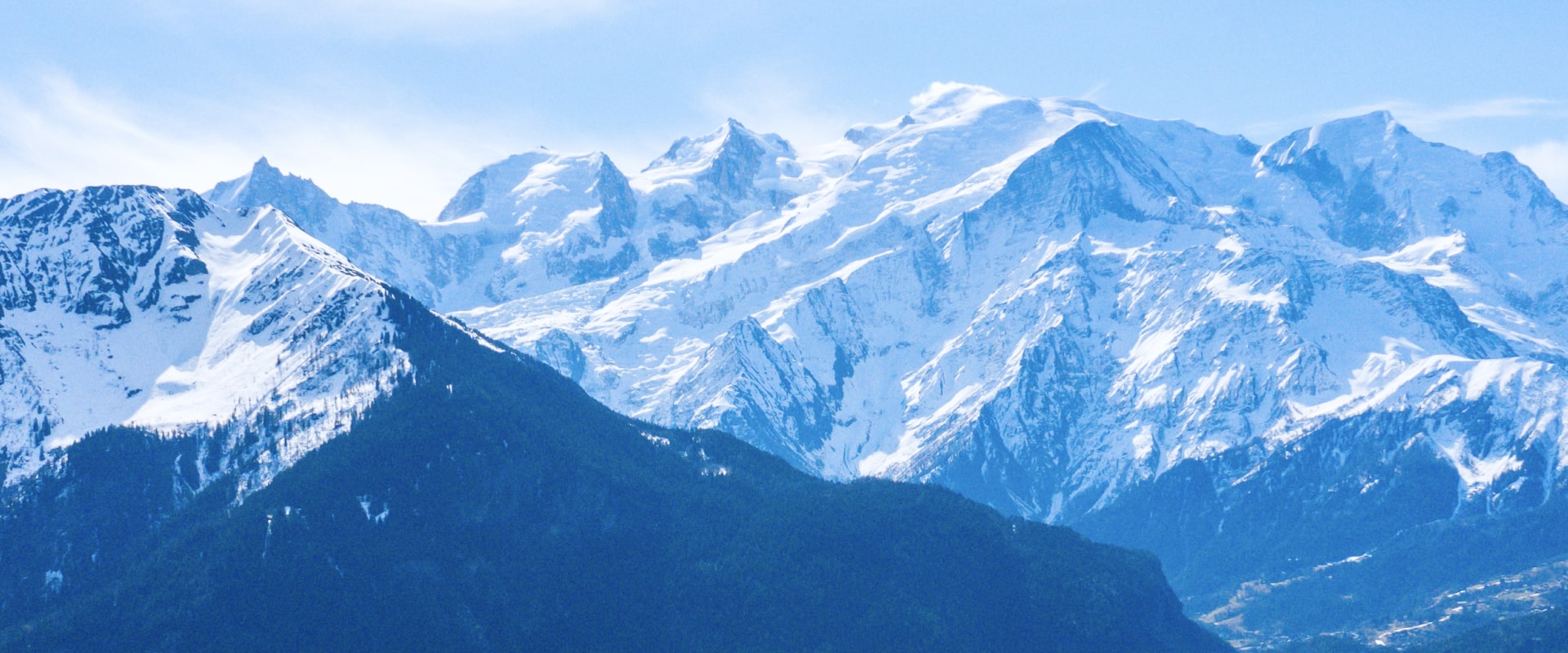
Les Houches
Framed by stunning Mont-Blanc views, this family-friendly resort offers a serene atmosphere with challenges for advanced skiers
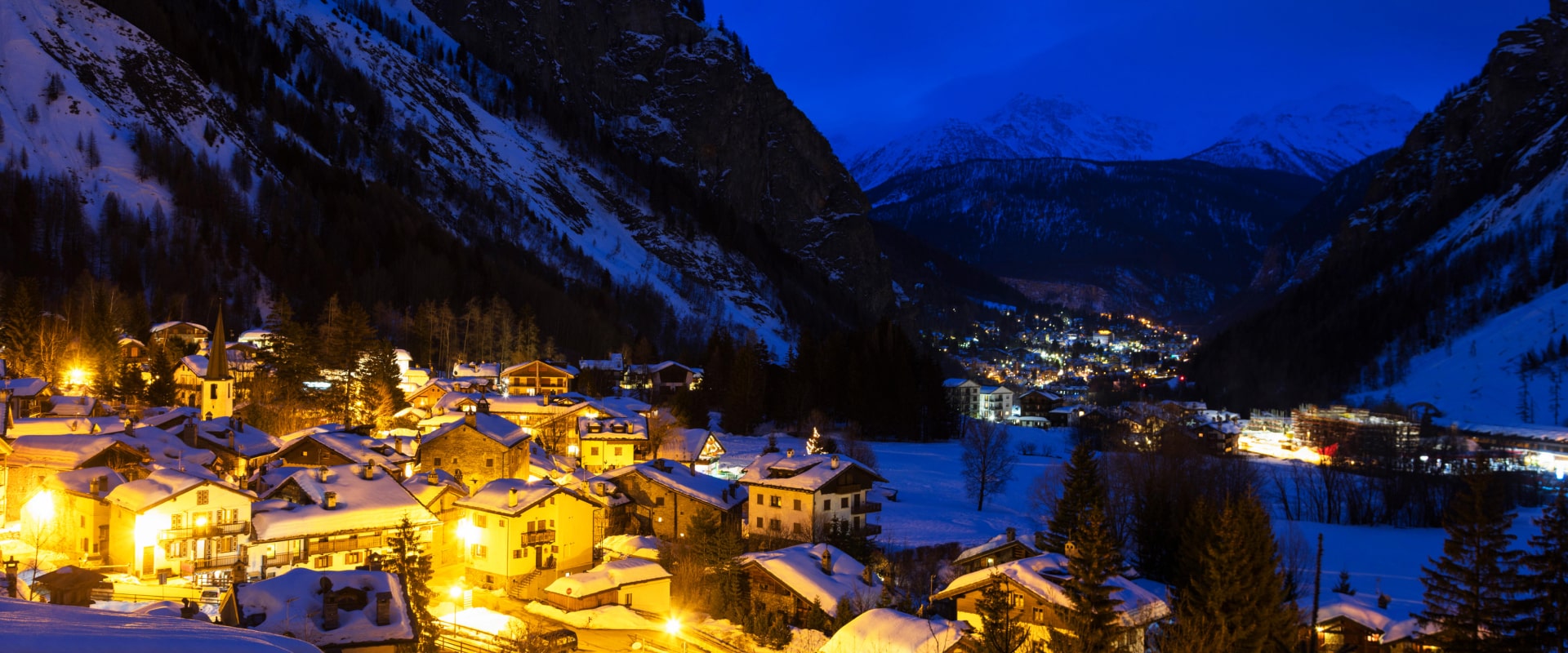
Courmayeur
With Mont-Blanc as a breathtaking backdrop, the town's traditional alpine charm and epic ski runs are just an added bonus
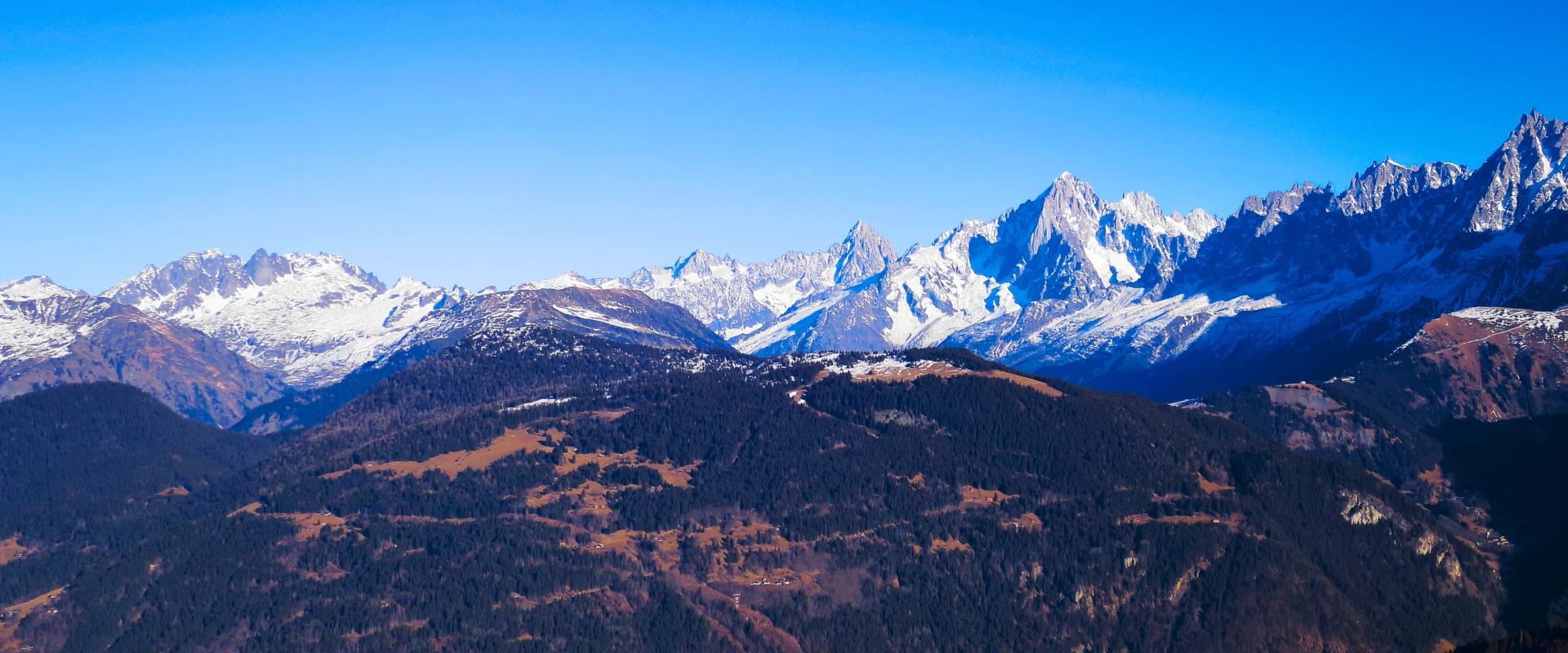
Saint Gervais Les Bains
Bask in the serenity of Mont-Blanc, where heritage meets expansive slopes just an hour from Geneva
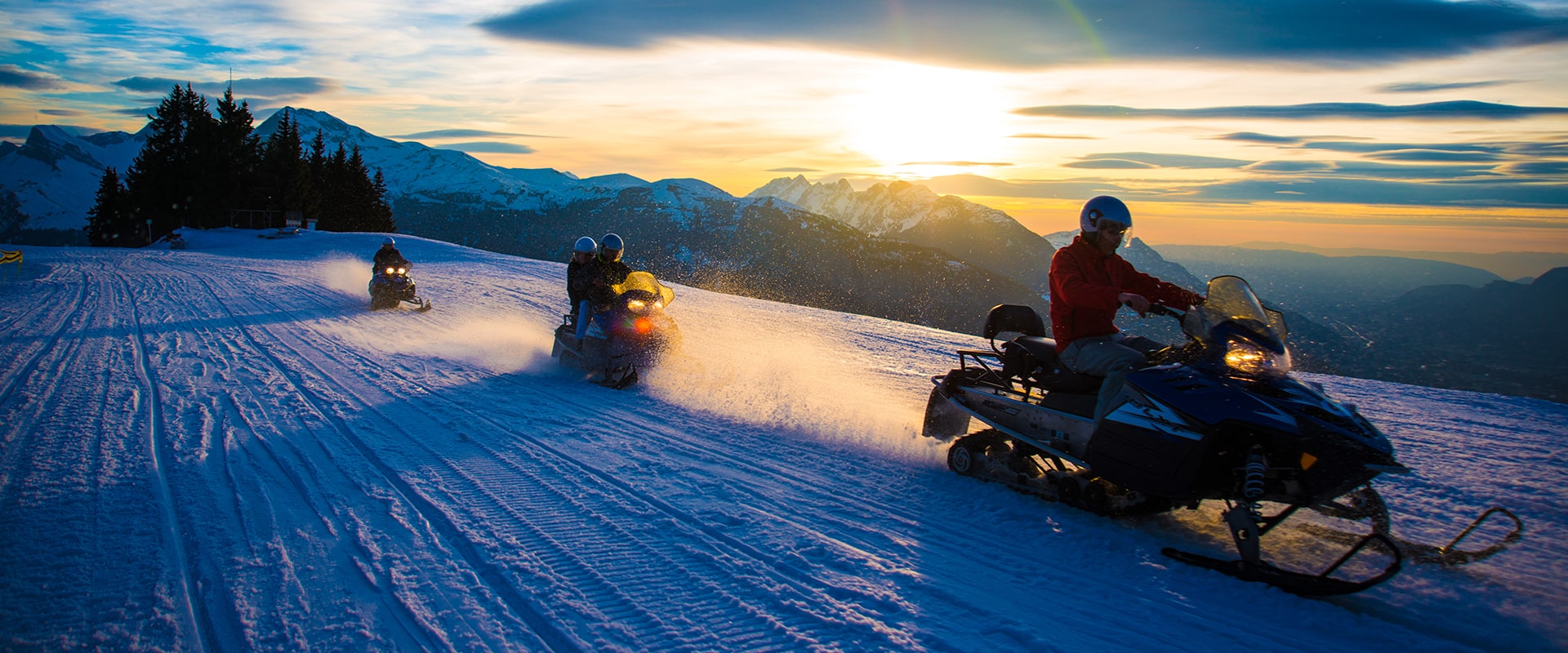
Flaine
Family friendly Flaine is a Bauhaus inspired ski resort with 265 km of varied slopes for all abilities.
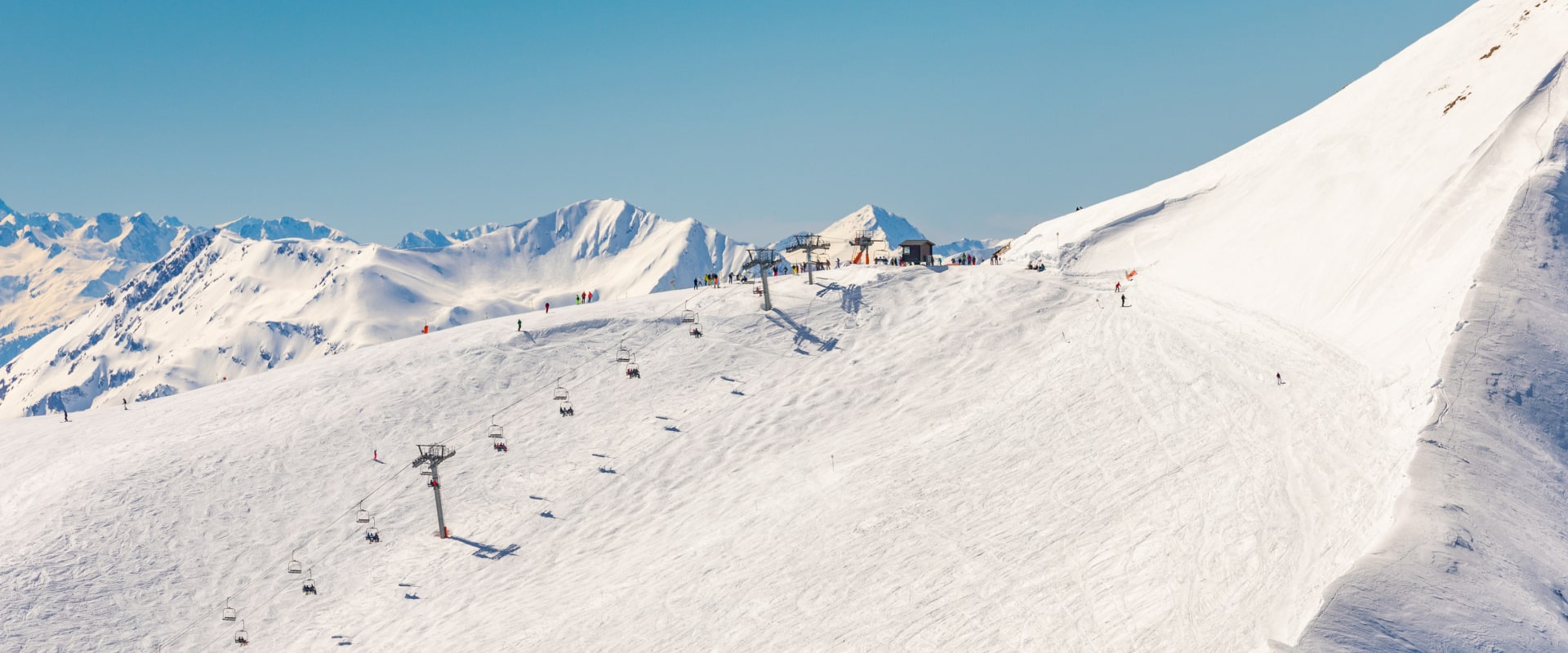
Les Contamines-Montjoie
An authentic family resort with scenic slopes and stunning views of Mont Blanc.

Megève
Refined old money village with tree lined pistes and superb food scene.
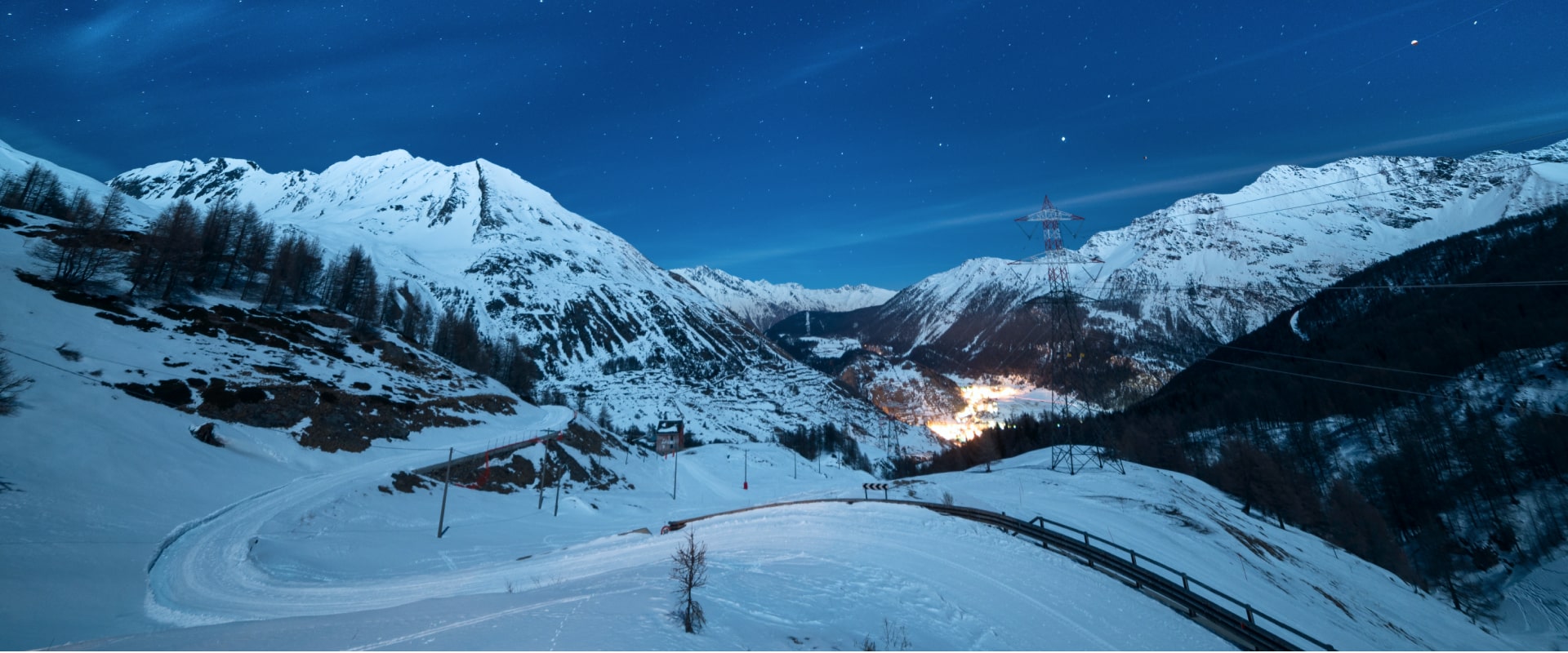
La Thuile
Affordable cross-border skiing in a charming Aosta Valley village, perfect for families and beginners.
Champéry
Where classic Swiss charm meets world-class skiing in the heart of the Portes du Soleil.