Verbier
A glamorous resort stretched across 4 valleys, offering 412 km of unmatched skiing for all levels.
What to expect at Verbier
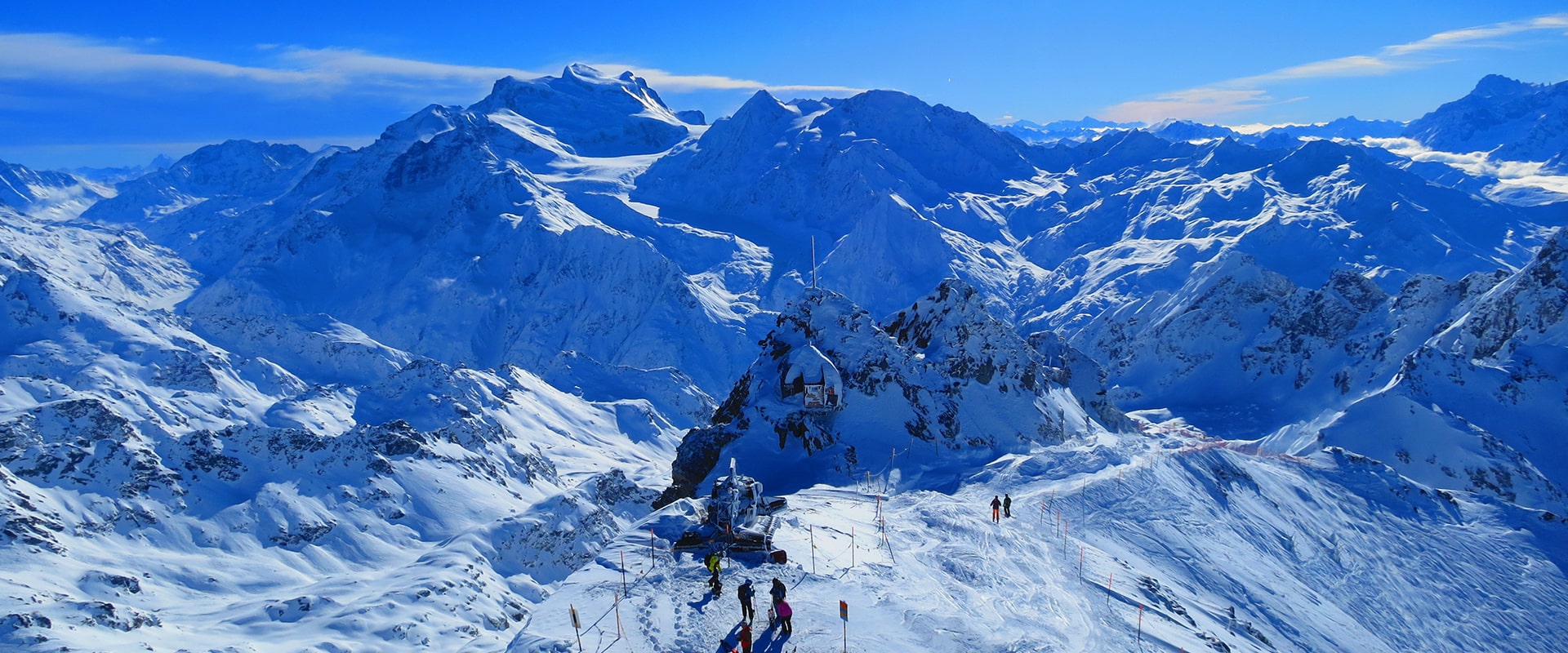
Verbier sits on a south-facing sun terrace at 1,500 m above the Val de Bagnes, and it is essentially the freeride capital of Europe. The Freeride World Tour finishes each year on the Bec des Rosses, whose 55-degree face is visible from the village. Beyond the marquee steeps the Verbier 4 Vallées pass covers 410 km with lifts up to 3,330 m on Mont-Fort. The village itself has a Chelsea-in-the-Alps social scene: farm-shed nightclubs, dinners at Le Rouge, and enough English spoken on the chairlift to forget where you are. Serious skiers, less-serious partygoers, both find their level.
Verbier on film
Skiing and staying in Verbier
Verbier ski resort
High in the Swiss Alps, Verbier is a sun-drenched village nestled on a natural terrace at 1,500m, offering expansive views across the Val de Bagnes. As part of the vast 4 Vallées ski area, it's renowned for its challenging terrain, which consistently attracts experienced skiers. Beyond the legendary steeps, Verbier combines traditional chalet architecture with a cosmopolitan atmosphere, welcoming both families and freeride enthusiasts. The après-ski scene here is notably refined.
The ski area spans from 1,500m up to 3,330m, boasting over 400km of marked pistes within the interconnected 4 Vallées network. Verbier's local runs range from gentle nursery slopes to some of Europe's most famous off-piste itineraries. The modern lift system, featuring gondolas and high-speed six-seaters, ensures efficient movement even during peak times. Excellent snow reliability is a given due to its altitude, with the season typically running from November until late April.
Skiing and snowboarding in Verbier
Verbier's diverse terrain offers long descents, expansive bowls above the tree line, and steep couloirs, cementing its formidable reputation. The adventure extends to connecting routes towards Nendaz, Veysonnaz, and Thyon, providing days of exploration without repetition.
The mountain is divided into distinct sectors, each with its own character, allowing skiers to match terrain to their skill level and preferences. The Savoleyres area, accessible from the village, offers gentler cruising and tree-lined runs, ideal for warming up or when visibility is poor. The Mont Fort sector provides the full big-mountain experience, including glacier skiing from 3,330m, the famous Mont Fort descent, and access to the legendary itinerary routes of the Bec des Rosses.
Skiing for all abilities
Beginners have a dedicated learning area at Les Esserts, just above the village. Here, gentle slopes and magic carpets create a relaxed environment, separate from faster traffic. Progression leads to long green and easy blue runs on the Savoleyres side, where tree-lined pistes offer shelter and scenic views.
Intermediate skiers will find plenty of blue and red runs across Savoleyres, with the lower slopes of Attelas providing satisfying cruising. The extensive 4 Vallées network allows confident intermediates to explore further, with runs down to Nendaz and Siviez offering quieter, wide, swooping red runs that feel authentically alpine. A memorable descent is the leg-burner from Les Ruinettes to Le Châble, offering over 1,500m of vertical drop.
Advanced and expert skiers are exceptionally well catered for. Verbier's reputation for challenging terrain is well-earned, featuring marked itinerary routes like Vallon d'Arbi, Gentianes, and the renowned Mont Fort back bowls. These serious descents require commitment and often avalanche equipment. The Bec des Rosses face, home to the Xtreme Verbier freeride competition, presents some of the Alps' most demanding inbound terrain. Further possibilities include the Col des Mines and the steep couloirs off Mont Gelé; a guide is recommended for exploring these and other glaciated or remote areas.
Verbier in winter
Verbier piste map
The official Verbier piste map showing every run, lift and sector. Zoom in for detail or open it full screen.
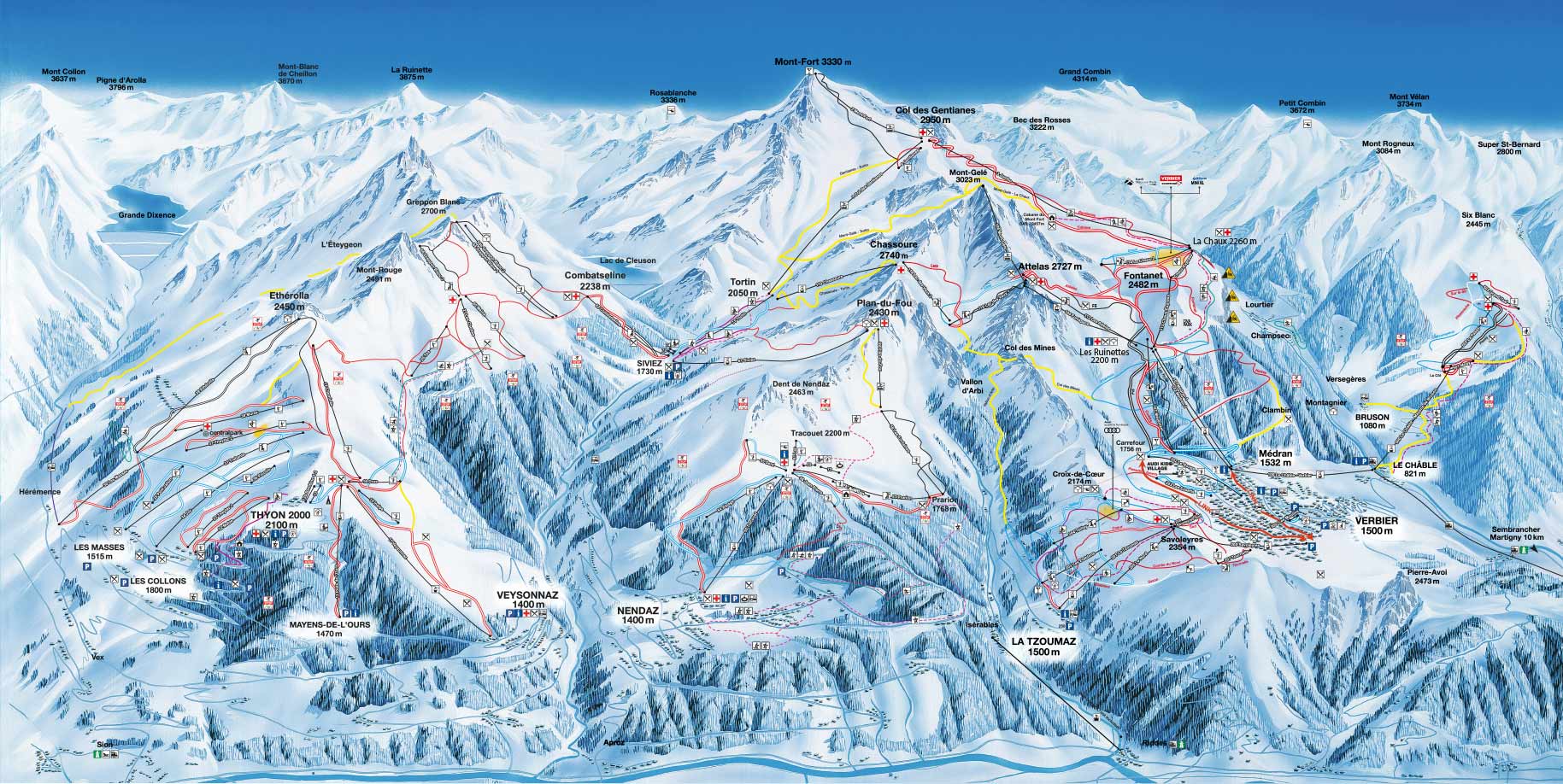
Scroll or pinch to zoom, drag to pan.
View and download Verbier ski map ↗Getting to Verbier
- Turin Airport (TRN)2 h 30 min
- Geneva Airport (GVA)2 h 30 min
- Chambery Airport (CMF)2 h 45 min
- Milan Malpensa (MXP)3 h
Drive times are estimates based on typical winter road conditions. Book transfers in advance during peak Saturday changeovers.
Verbier FAQs
- Is Verbier good for beginners?
- Verbier can accommodate beginners, though it may not be the most obvious choice. The dedicated learning zone at Les Esserts provides an excellent starting point, and the Savoleyres sector offers gentle progression. However, Verbier truly excels in intermediate and expert skiing. While beginners paying Verbier prices might find more suitable terrain elsewhere, families with mixed abilities often appreciate the range of challenging options available for everyone.
- Is Verbier expensive compared to other Swiss resorts?
- Verbier is positioned at the premium end of Swiss skiing, with ski passes, accommodation, and dining reflecting its upmarket status. It is comparable to resorts like Zermatt and St. Moritz rather than smaller Swiss destinations. Nevertheless, the quality of terrain, the extent of the 4 Vallées network, and the overall experience often justify the investment for many skiers. Self-catering and booking in advance can help manage costs.
- How does Verbier compare to Chamonix?
- Both resorts are significant freeride destinations but possess distinct characteristics. Chamonix boasts higher altitudes and more extreme terrain, but its ski areas are more spread out, requiring more travel between them. Verbier's 4 Vallées network is better connected, and its village is more compact and refined. Chamonix is suited to dedicated mountaineers, while Verbier appeals to those seeking expert terrain combined with a polished resort experience.
- When is the best time to visit Verbier?
- The season typically runs from early November to late April. Snow conditions are generally reliable due to the high altitude, with the Mont Fort glacier providing a backup during warmer periods. The resort's south-facing aspect ensures plenty of sun, which is lovely for terrace lunches but can soften snow quickly in spring. Crowds are busiest during Christmas, New Year, and the February half-term holidays.
- Is Verbier good for off-piste skiing?
- Verbier is recognised as one of the premier off-piste destinations in the Alps. Its combination of marked itinerary routes, accessible backcountry, and world-class guiding services makes it a magnet for freeride enthusiasts. From the Mont Fort glacier descents to the couloirs of Mont Gelé, the terrain rewards experienced and well-prepared skiers. Avalanche equipment and local knowledge are essential; hiring a guide is highly recommended to fully explore Verbier's extensive off-piste offerings.
Resort figures are checked against official resort sources each season. Spotted something out of date? Tell us.
Nearby resorts
Nendaz
The birthplace of the Freeride World Tour, this large, modern Swiss resort has 412 km of slopes to carve.
Thyon-Les Collons
Renowned for its beginner-friendly slopes, expansive 4 Valleys terrain, and breathtaking views of the Matterhorn and Dent Blanche.
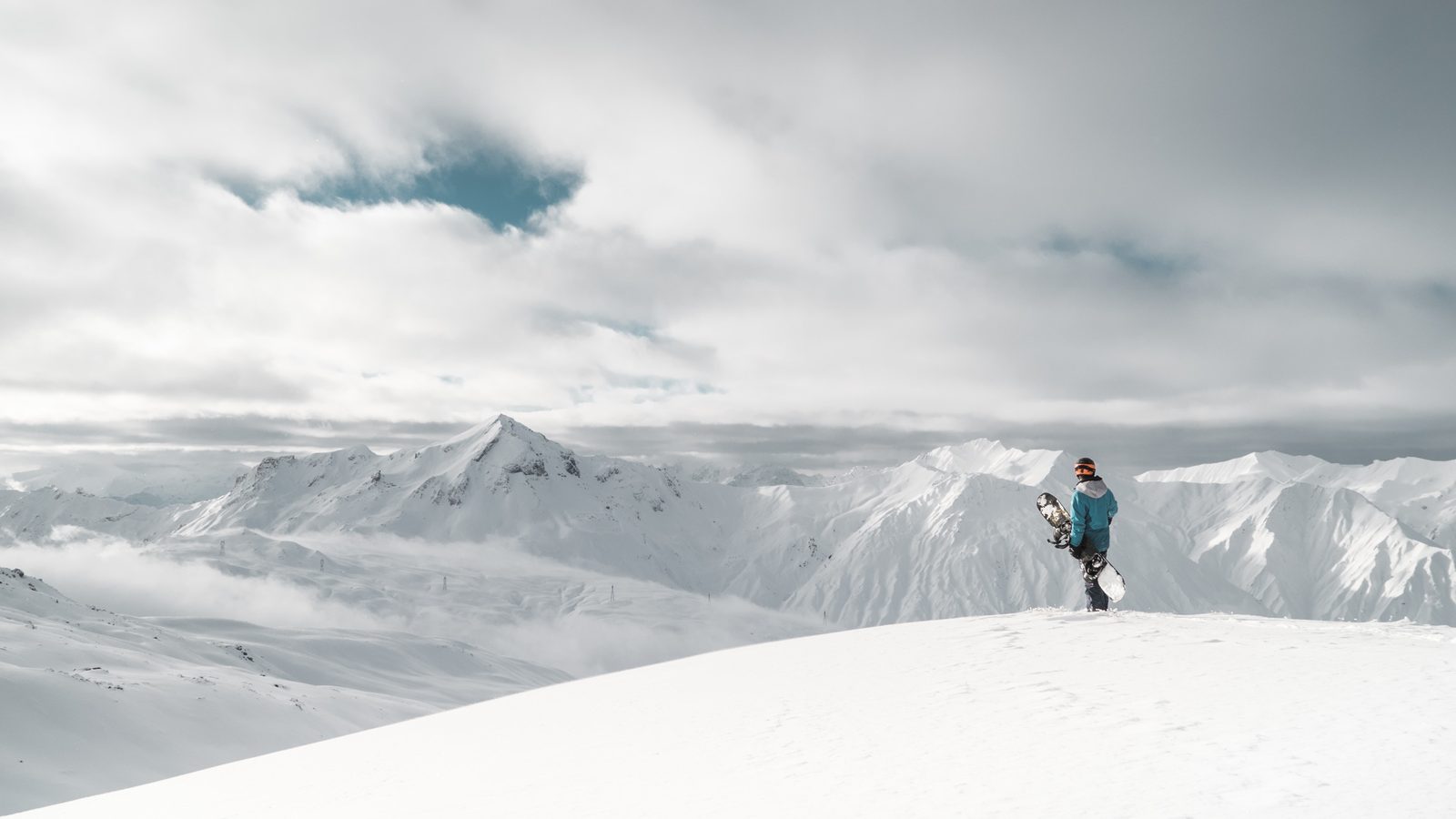
Villars
Sunny plateau resort above Lake Geneva with lift links into neighbouring Les Diablerets.
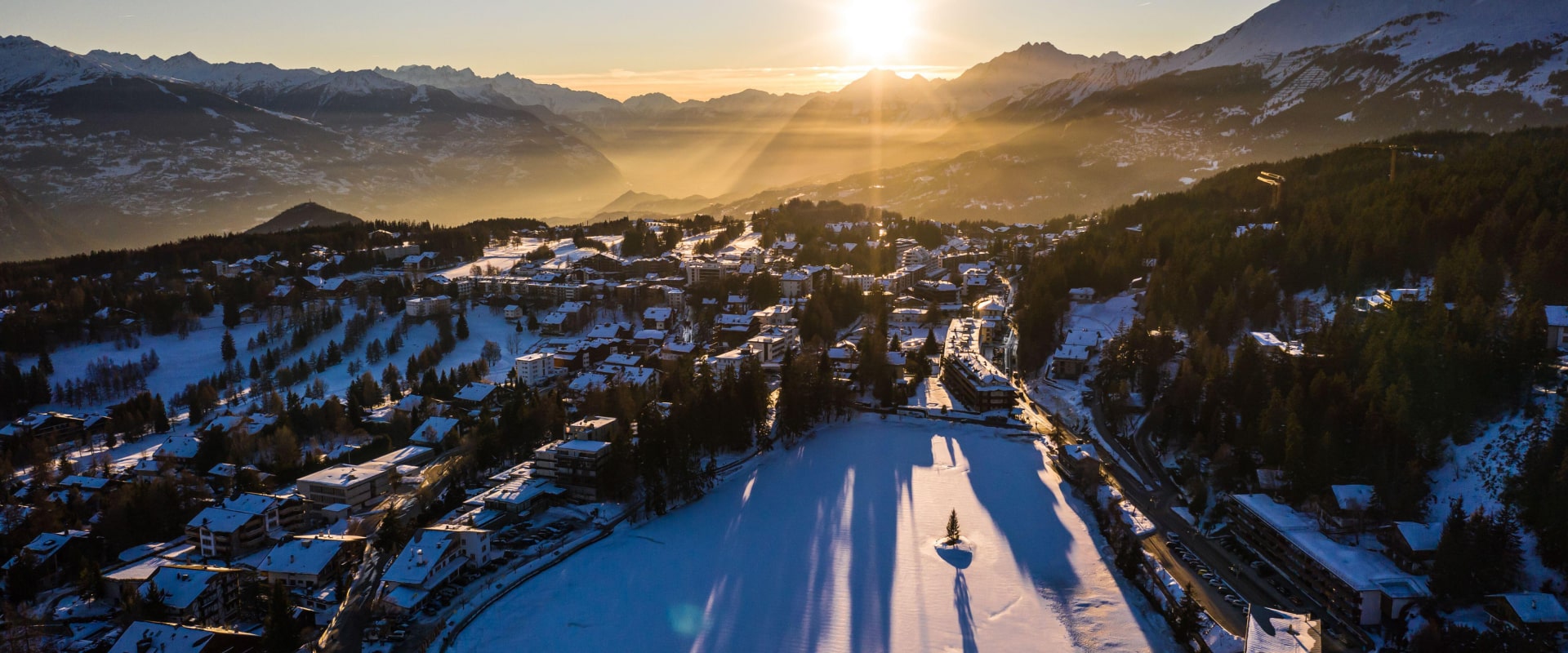
Crans Montana
One of Switzerland's largest ski resorts, offering 140 km of south-facing sunny slopes and spectacular scenery to match
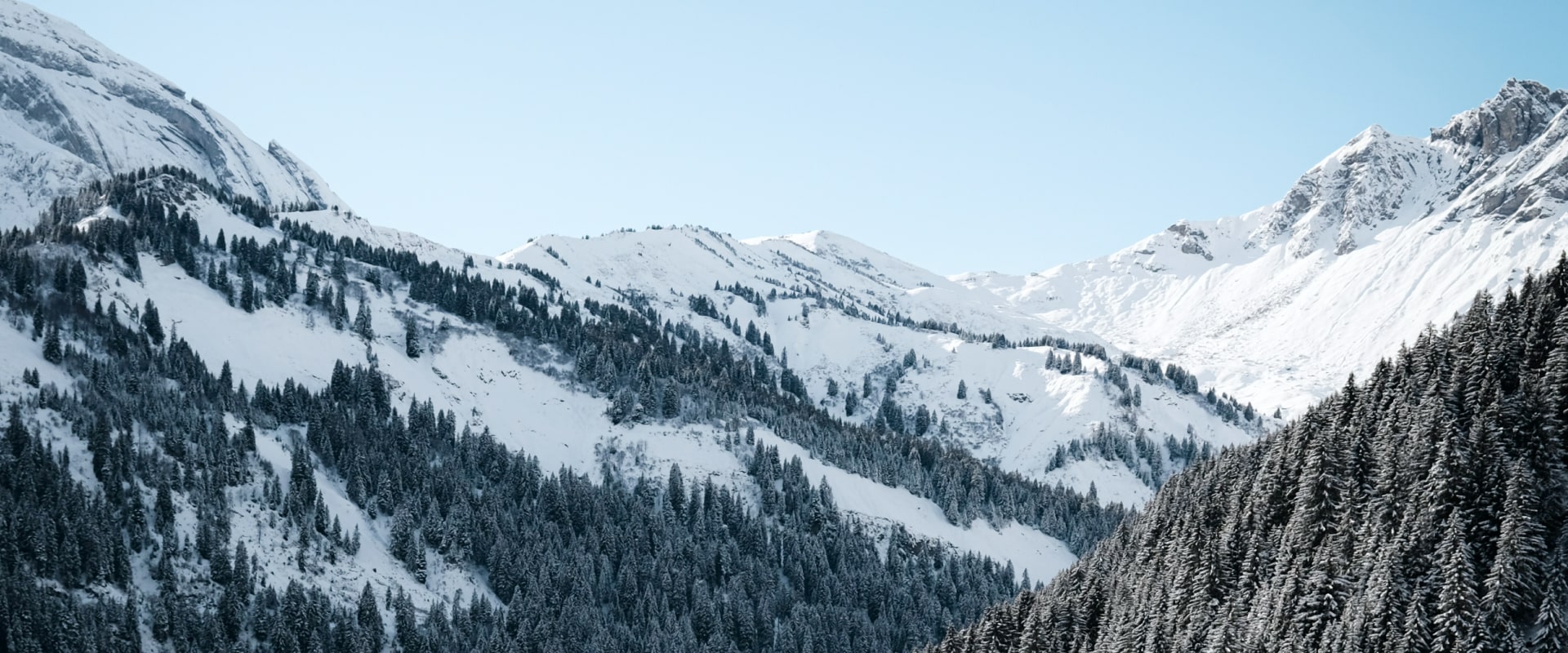
Champéry
Where classic Swiss charm meets world-class skiing in the heart of the Portes du Soleil.
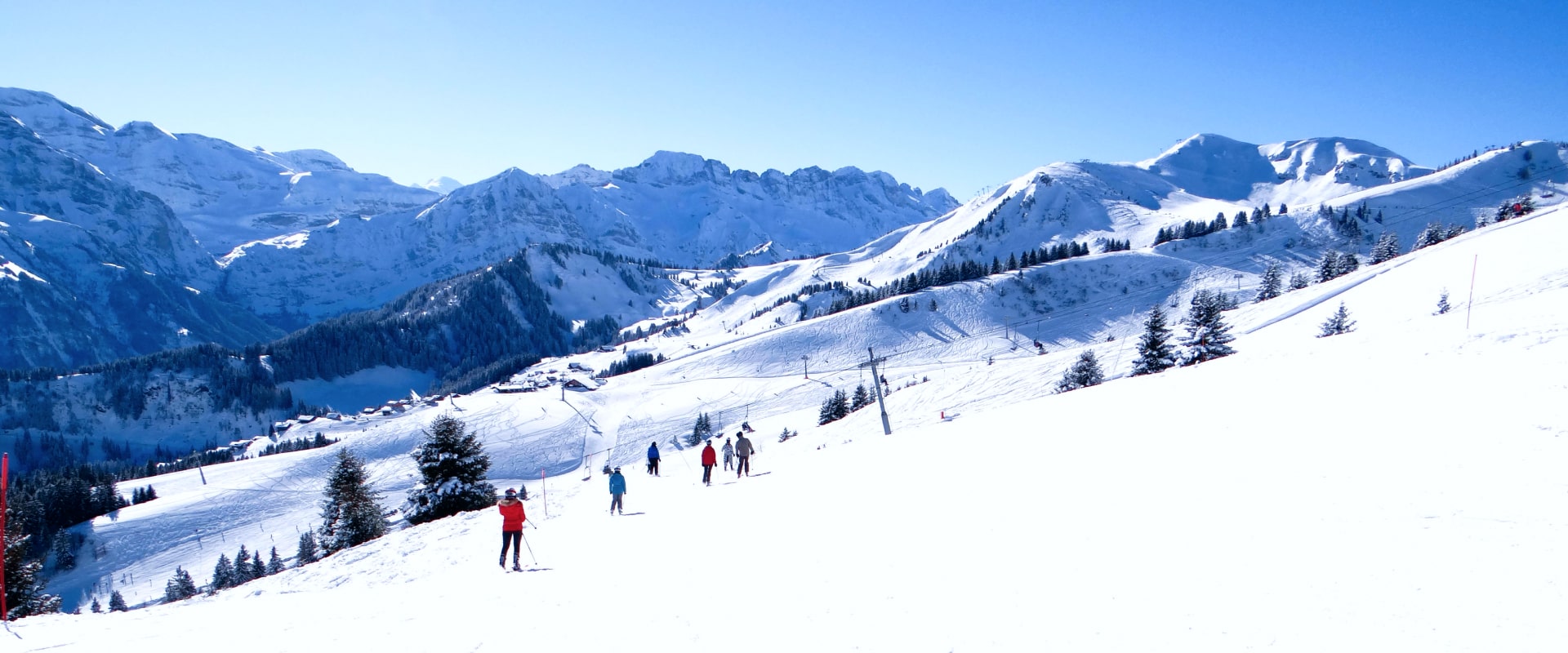
Champoussin
Perched on a sunny, south-east facing ridge at 1,580m in Switzerland's Val d'Illiez, Champoussin has the kind of unhurried charm that's increasingly hard to find.
Zinal
A freerider's paradise with pristine snow and awe-inspiring Alpine views.

Les Crosets
Les Crosets is a compact, sun-drenched micro-resort at 1,670m in the Swiss canton of Valais - and the most convenient ski-in, ski-out base on the Swiss side of the Portes du Soleil, one of the world's largest interconnected ski areas.