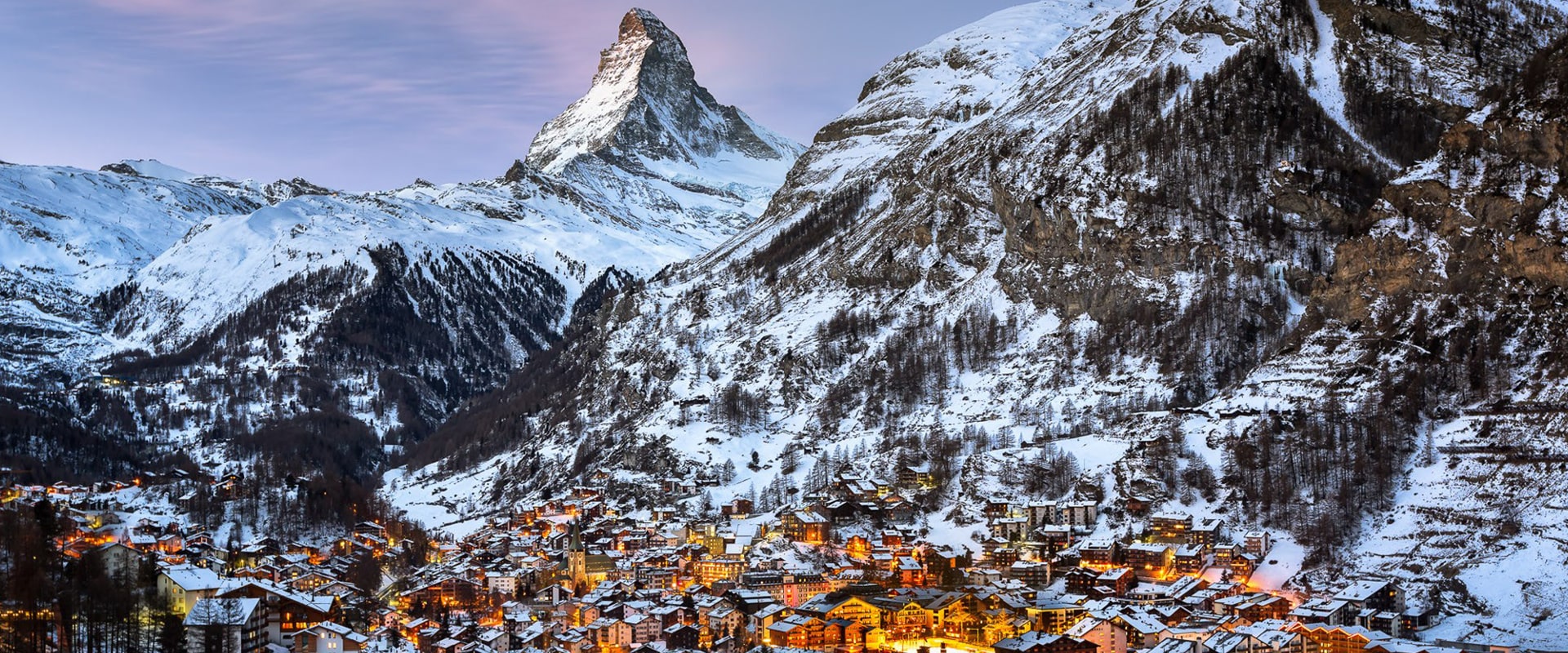
Zermatt
One of the most recognisable ski locations in the world filled with old-world Swiss charm.
What to expect at Zermatt
Zermatt is a car-free village of dark timber Walliser chalets at the head of the Matter valley, dominated by the pyramid of the Matterhorn. The mountain has three connected sectors, Sunnegga, Gornergrat, Klein Matterhorn, reaching Europe's highest lift-served point at 3,899 m, and the Alpine Crossing gondola now links year-round to Cervinia in Italy. The Gornergrat rack railway has run since 1898 and remains the most scenic way onto the mountain. Because so much of the skiing is above 2,500 m and north-facing, spring conditions are genuinely reliable into May, and the summer glacier at Klein Matterhorn keeps ski teams on snow through August.
Zermatt on film
Skiing and staying in Zermatt
Zermatt ski resort
Zermatt is a renowned Swiss resort, celebrated for its superb skiing and timeless appeal. This car-free village features traditional chalets, exceptional dining, and warm Swiss hospitality, all set against the majestic backdrop of the Matterhorn.
With 360km of pistes and Europe's highest lift-served point at 3,899m on the Klein Matterhorn, the skiing experience is as impressive as the scenery. Four distinct sectors, Sunnegga-Rothorn, Gornergrat, Klein Matterhorn, and Schwarzsee, offer a variety of terrain from gentle slopes to challenging steeps, alongside extensive off-piste opportunities. The resort also boasts year-round glacier skiing and an international connection to Cervinia in Italy, expanding the options further. High altitude guarantees reliable snow, providing over 2,200m of vertical descent.
Skiing and snowboarding in Zermatt
Skiing in Zermatt offers an adventurous experience, with long, sweeping descents providing breathtaking views and significant vertical drops perfect for building speed. The high altitude ensures consistently excellent snow quality, and the sheer scale of the resort rewards extended exploration. The terrain is divided into three primary areas, each with its own character, catering to various preferences. From the more accessible slopes of Sunnegga to the demanding steeps of Schwarzsee and the high-altitude glacier skiing on Klein Matterhorn, there is something for everyone. Additionally, the connection to Cervinia in Italy further broadens the available terrain.
Skiing for beginners
While Zermatt may not be the most obvious choice for absolute beginners, it is well-suited for those determined to learn, provided they know where to start. The Sunnegga area offers wide, gentle slopes ideal for novices, with Wolli's Park being particularly well-designed for children. The Leisee area, situated at 2,232m, is a prime location for first-timers; it is a sunny, sheltered spot equipped with magic carpet lifts, facilitating a smooth learning progression. Once fundamental skills are acquired, learners can advance to the extensive blue runs that meander through the trees, benefiting from consistently soft snow conditions.
Skiing for intermediate and advanced skiers
Intermediate skiers will discover an abundance of terrain across all three ski areas. With 35 intermediate runs and over 2,200m of vertical, it is possible to explore for days without repetition. The runs from Rothorn to Sunnegga are excellent for building confidence, featuring long red pistes with consistent gradients. On the Italian side, Cervinia's wide, open pistes are ideal for developing speed and rhythm, and the unique experience of skiing across national borders is memorable. The blue run from Klein Matterhorn to Zermatt provides 15km of continuous skiing. The Gornergrat area offers stunning views of the Matterhorn and Monte Rosa, complemented by excellent intermediate terrain.
Zermatt truly excels for advanced and expert skiers. With 95 advanced runs and 17 expert-only descents, the resort offers significant challenges. The Stockhorn sector presents some of the steepest lift-served skiing in the Alps, while the north-facing Triftji moguls provide a demanding test of technique. Impressive mogul fields develop throughout the season. For experts, the off-piste skiing is exceptional, with classic routes such as the Stockhorn descent and the Swiss Wall offering sustained steep descents with excellent snow preservation at high altitudes. Engaging a guide is essential for exploring off-piste terrain beyond marked routes due to crevasse risks on the glacier.
Zermatt in winter
Zermatt piste map
The official Zermatt piste map showing every run, lift and sector. Zoom in for detail or open it full screen.
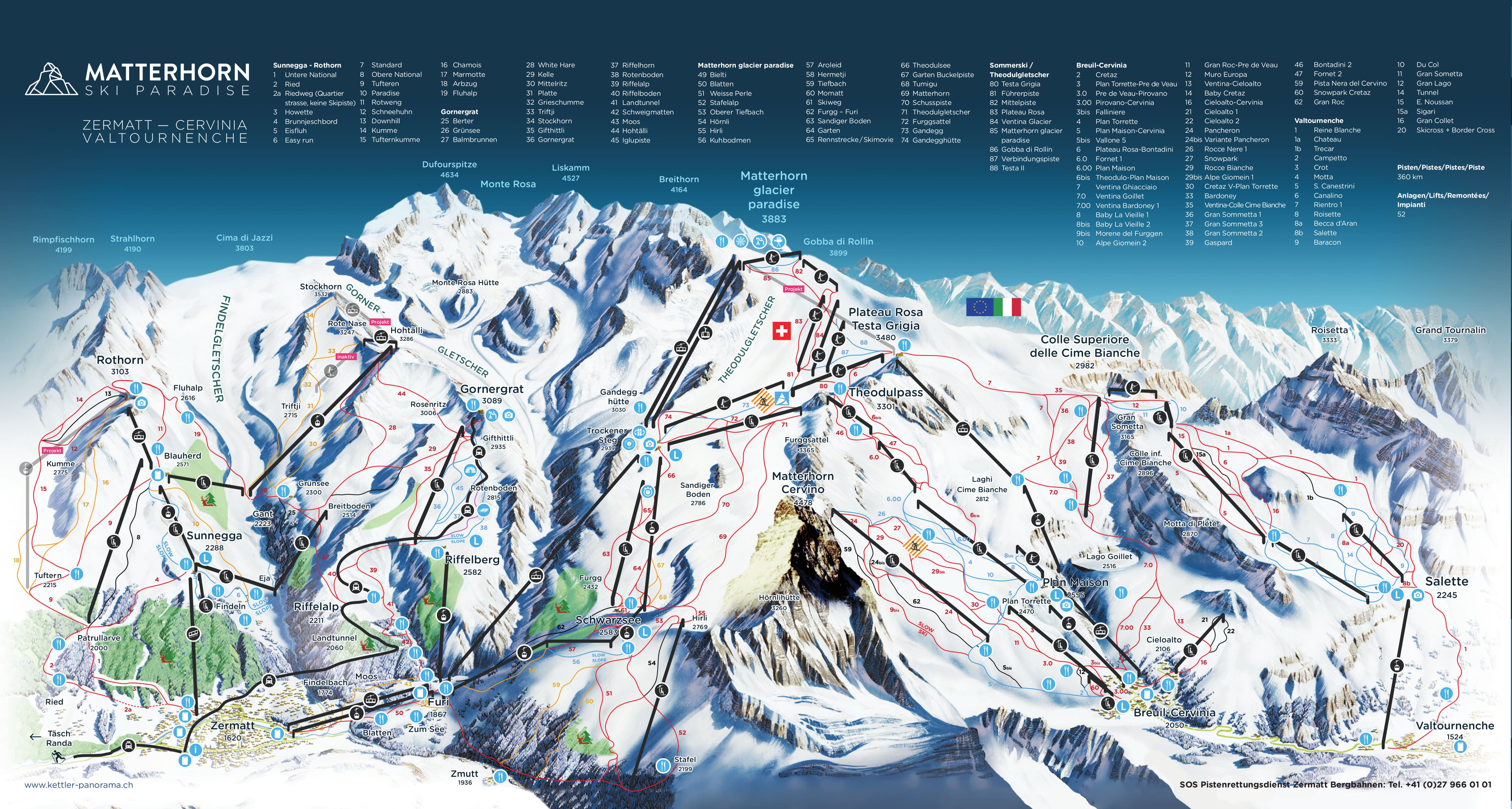
Scroll or pinch to zoom, drag to pan.
View and download Zermatt ski map ↗Getting to Zermatt
- Geneva Airport (GVA)3 h
- Milan Malpensa (MXP)3 h
- Linate (LIN)3 h 30 min
- Bergamo (BGY)3 h 30 min
Drive times are estimates based on typical winter road conditions. Book transfers in advance during peak Saturday changeovers.
Zermatt FAQs
- Is Zermatt suitable for beginners?
- Zermatt is not typically the first choice for absolute beginners due to limited nursery terrain compared to purpose-built resorts. However, the Sunnegga area offers gentle slopes and a dedicated learning zone at Leisee. Once basic turns are mastered, the long blue runs are excellent for building confidence. If your group includes mixed abilities, beginners can still enjoy their time, but be aware that the resort's primary strengths lie in more advanced skiing.
- When is the best time to ski in Zermatt?
- Zermatt's main winter season extends from late November to late April. Snow reliability is outstanding due to the high altitude, with glacier skiing above 3,000m maintaining good snow even when lower resorts struggle. The shoulder seasons, typically early December and late March/April, often provide good value with fewer crowds.
- How expensive is Zermatt compared to other ski resorts?
- Zermatt is positioned at the premium end of the market. Ski passes, accommodation, and dining are generally more expensive than average. However, this cost reflects exceptional terrain, reliable snow, stunning scenery, and Swiss efficiency.
- Can you ski to Italy from Zermatt?
- Yes, Zermatt connects to Cervinia in Italy via the Matterhorn Glacier. With an International ski pass, you can freely ski between both resorts, adding an extra 150km of terrain. The Italian side typically features wider, sunnier pistes and slightly lower prices for mountain lunches. This connection makes for an easy and varied day trip.
- Is Zermatt suitable for families?
- Zermatt works well for families whose children can already ski at least blue runs. The car-free village is safe, and childcare options are available at Wolli Kids Club. Older children will enjoy the adventure of glacier skiing and the cross-border experience to Italy. For families with very young beginners, a resort with more extensive dedicated nursery terrain might be a smoother introduction.
Resort figures are checked against official resort sources each season. Spotted something out of date? Tell us.
Nearby resorts
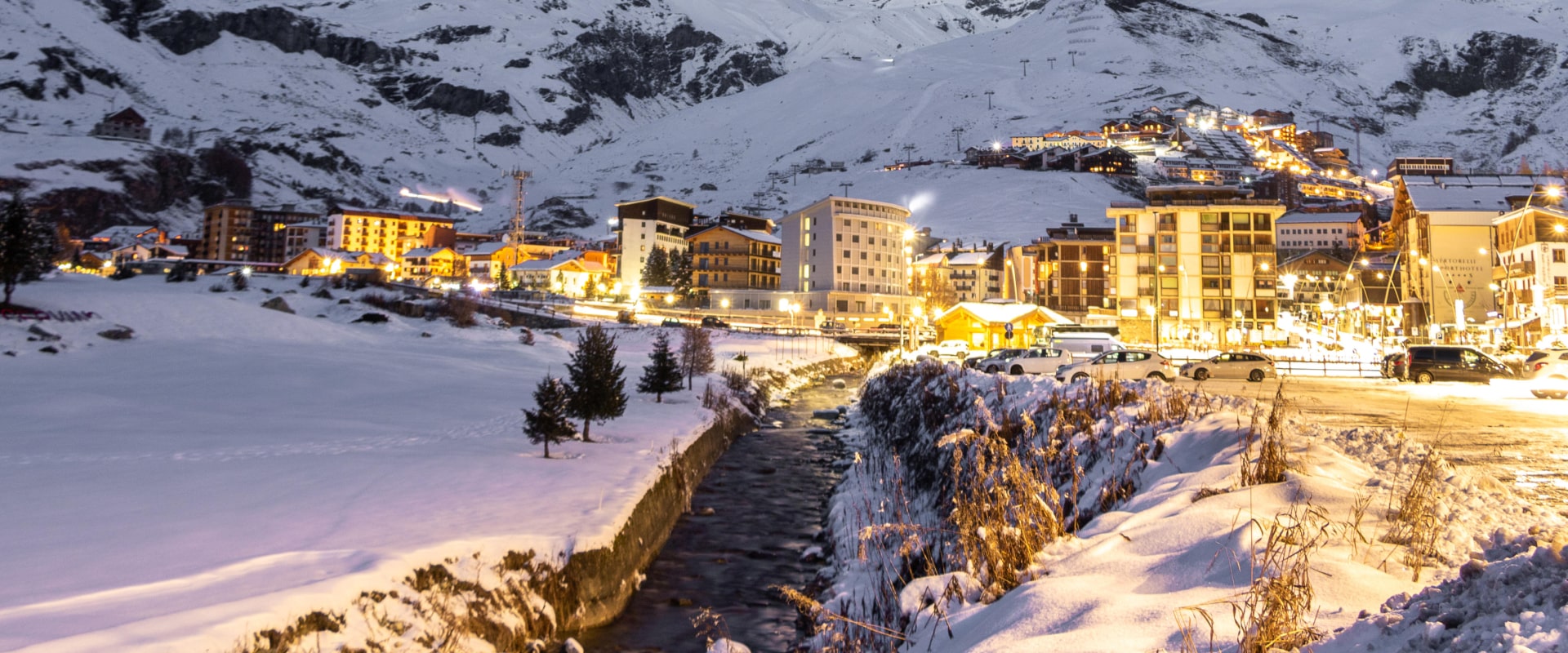
Cervinia
A significantly lower price tag with unparalleled scenic skiing with the famous Matterhorn mountain as a backdrop
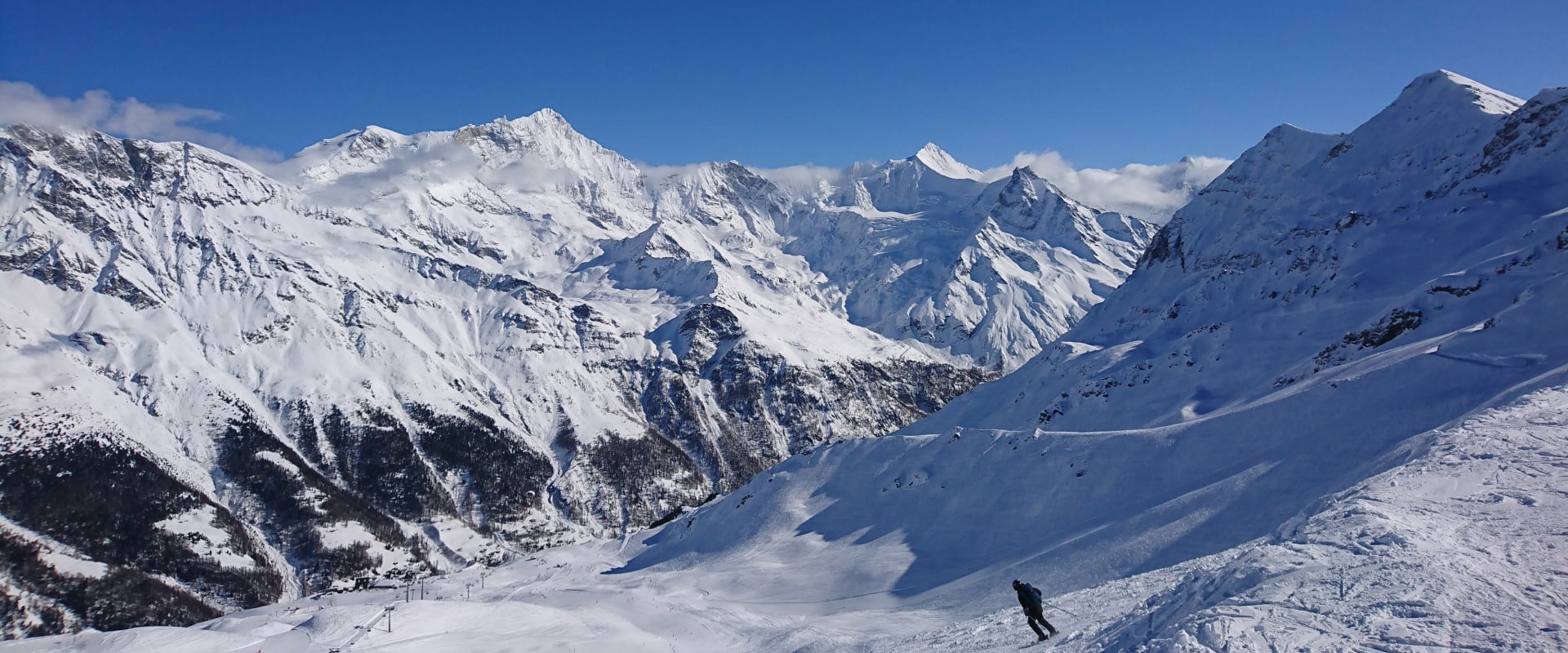
Zinal
A freerider's paradise with pristine snow and awe-inspiring Alpine views.
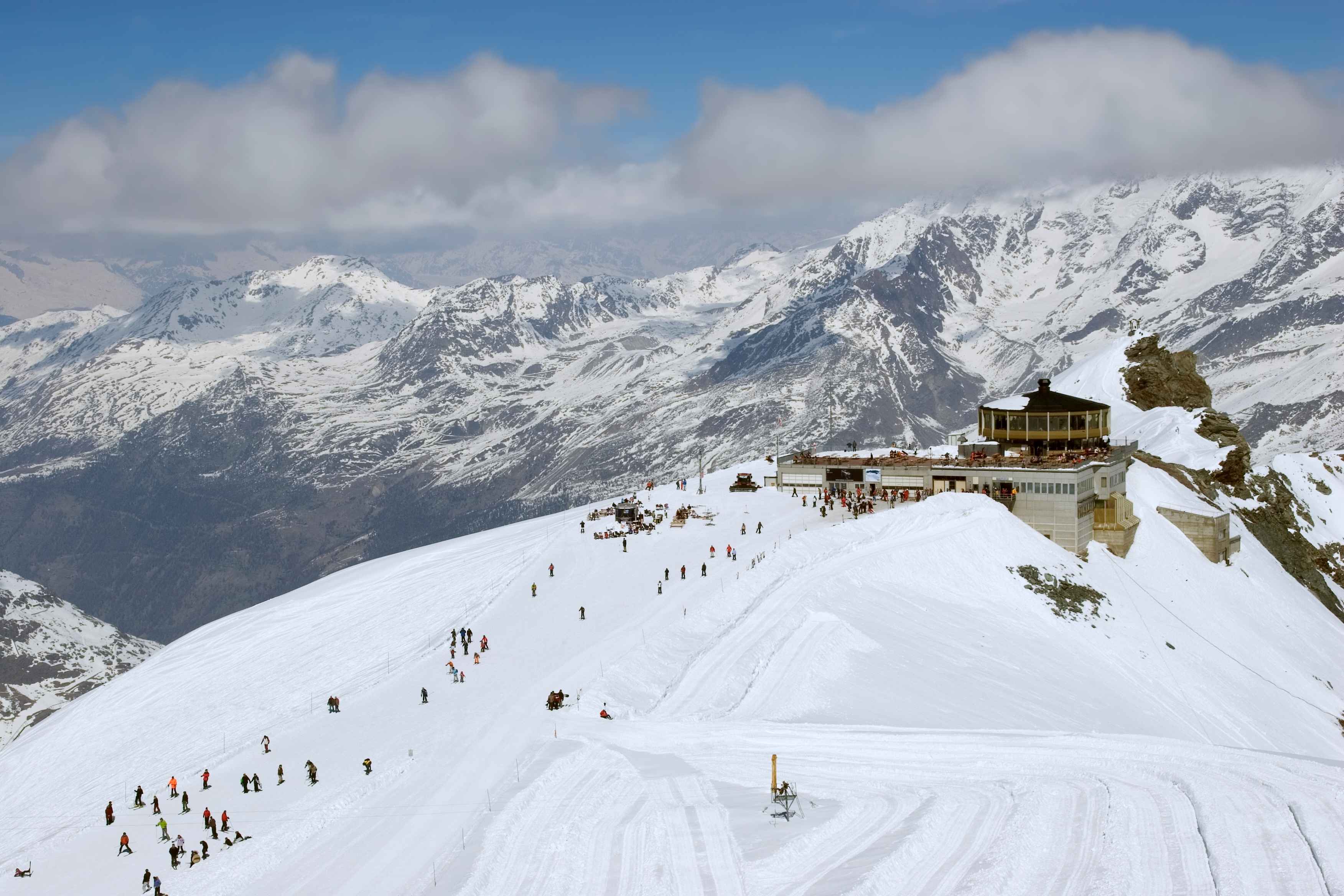
Saas Fee
Car free glacier village ringed by 13 four thousand metre peaks.
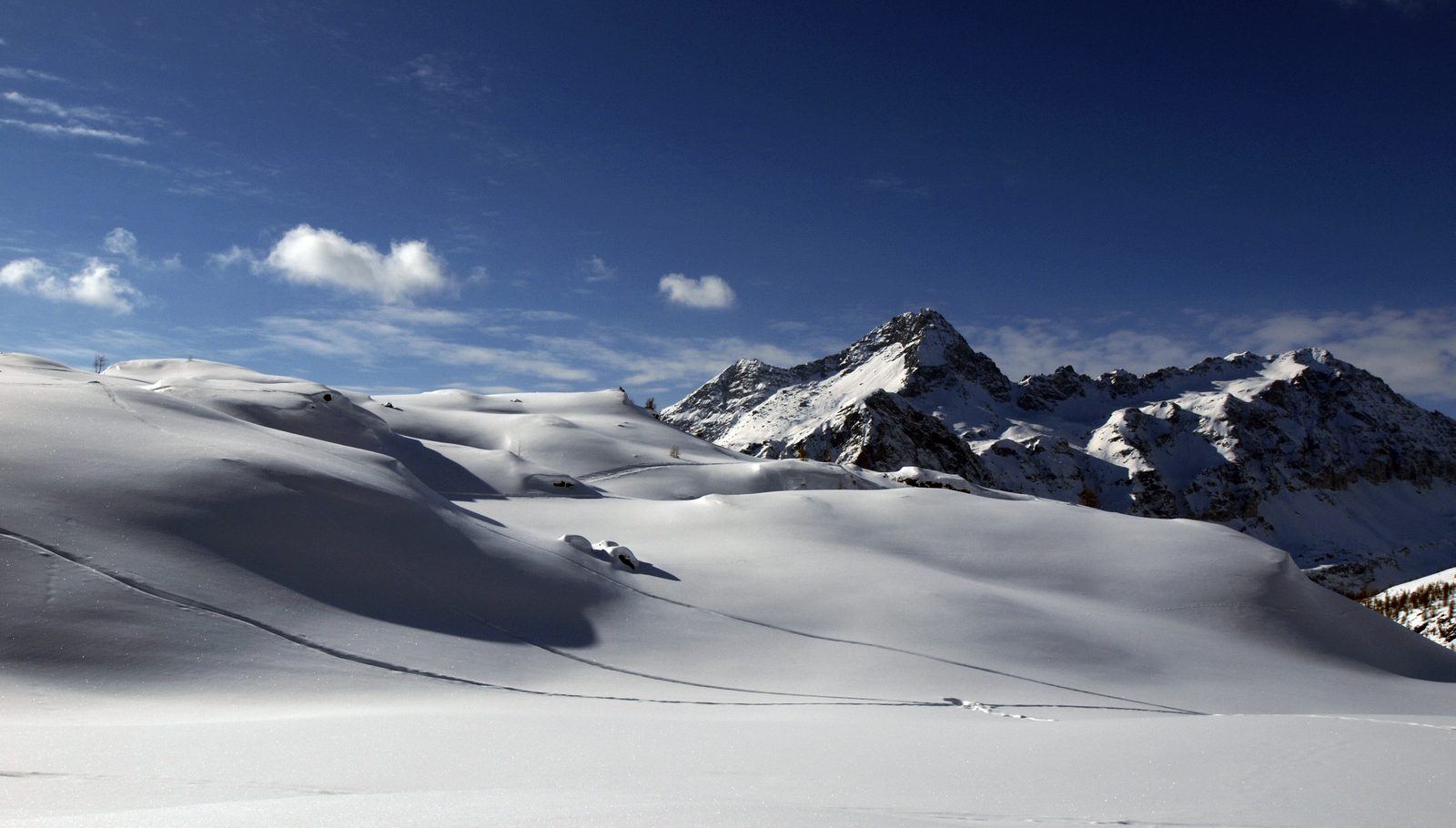
Champoluc
Sun-drenched terraces, fresh pasta at lunch, and 200km of uncrowded pistes beneath the Monte Rosa massif - Italian skiing at its most authentic, with heliskiing for those who want more.\"
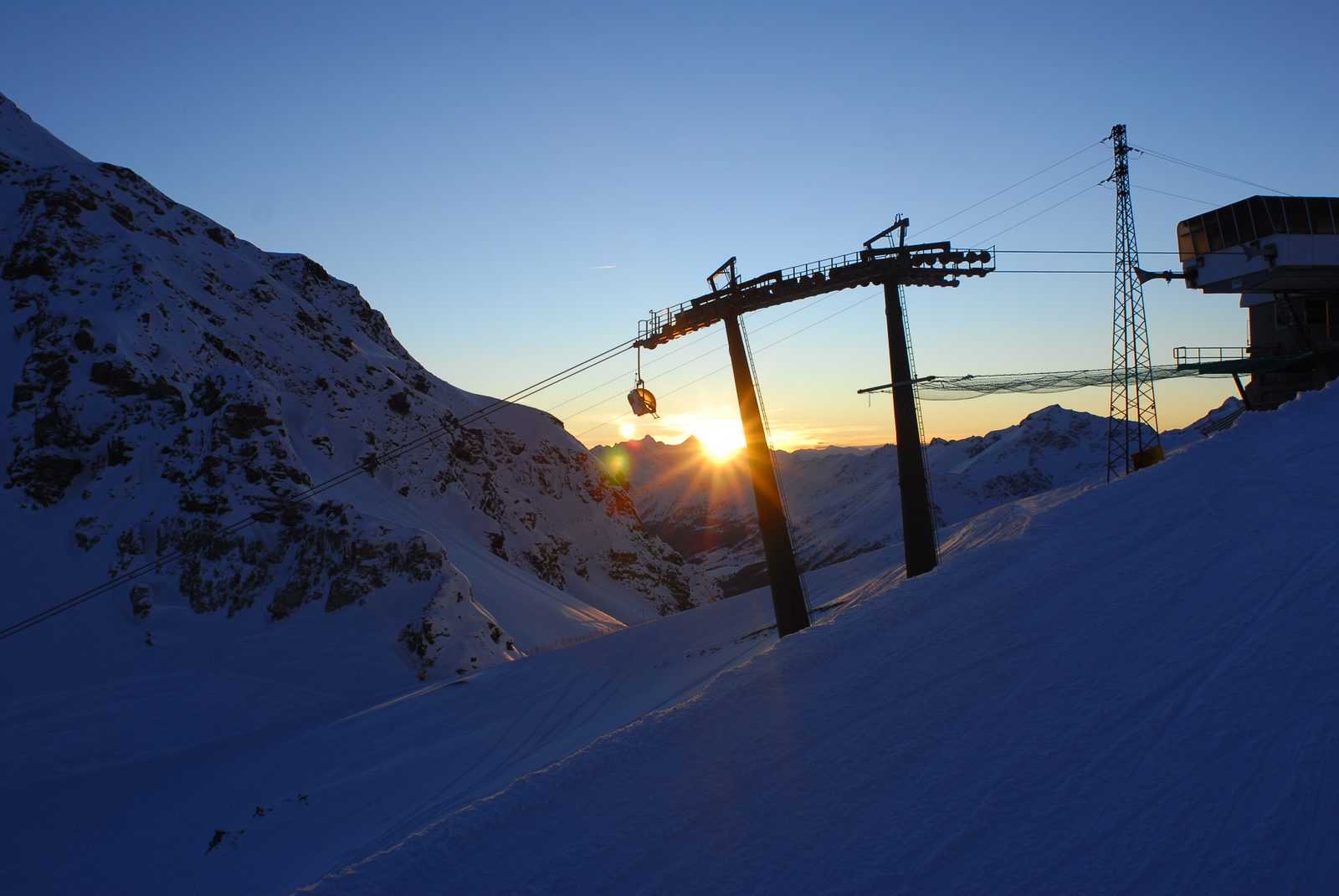
Alagna Valsesia
An ancient Walser village beneath the towering south face of Monte Rosa, where centuries of mountaineering heritage meet some of the most celebrated freeride terrain in the Alps.
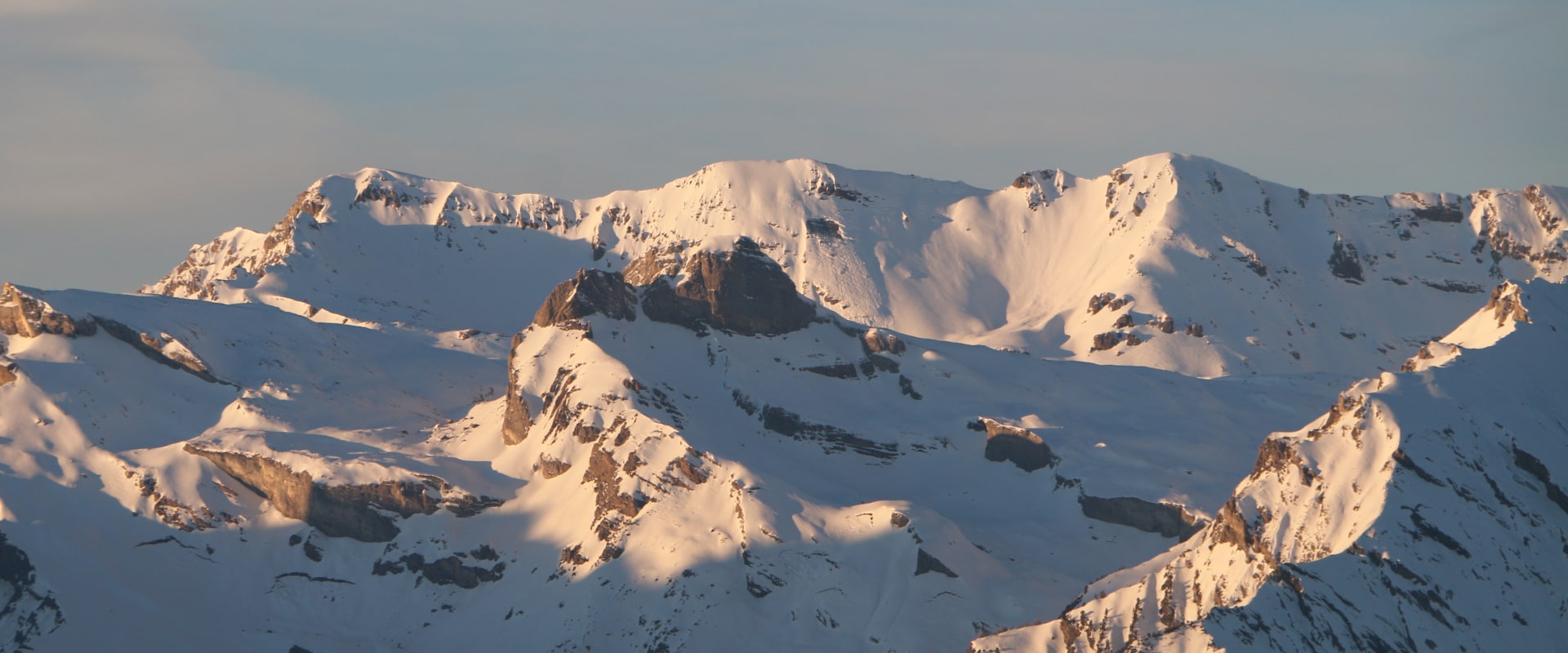
Thyon-Les Collons
Renowned for its beginner-friendly slopes, expansive 4 Valleys terrain, and breathtaking views of the Matterhorn and Dent Blanche.
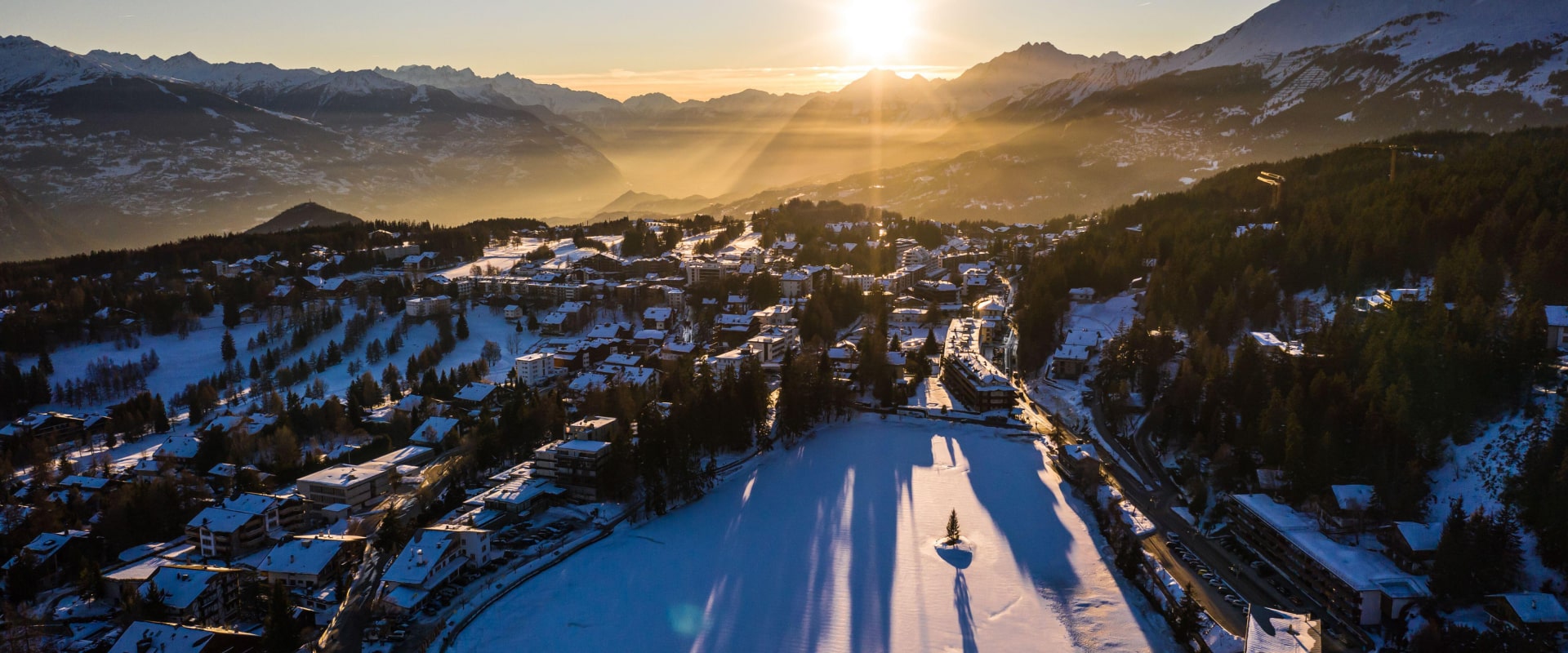
Crans Montana
One of Switzerland's largest ski resorts, offering 140 km of south-facing sunny slopes and spectacular scenery to match
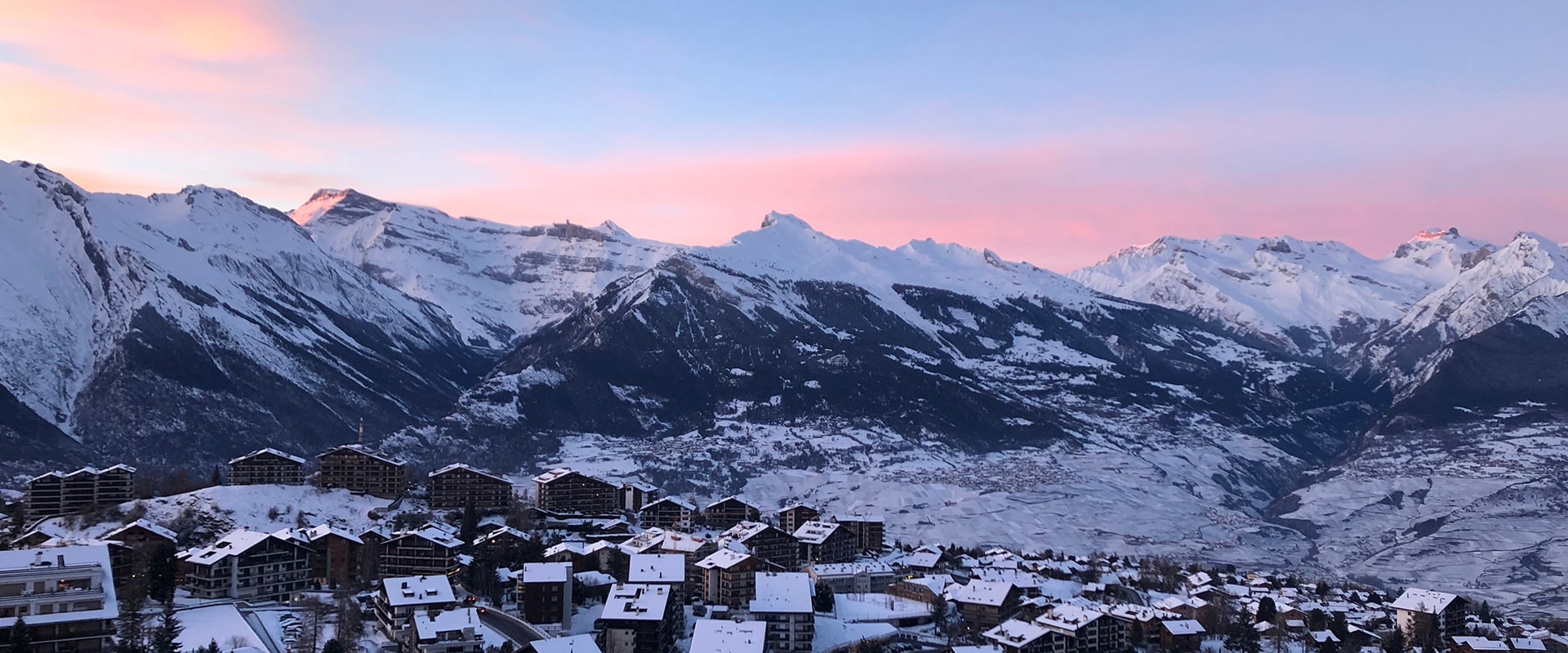
Nendaz
The birthplace of the Freeride World Tour, this large, modern Swiss resort has 412 km of slopes to carve.