Kitzbühel
Mittelalterliche Stadt mit Stadtmauern und Heimat des Hahnenkamms, der gefürchtetsten Abfahrt im Rennsport.
Diese Seite wurde maschinell übersetzt. Die englische Version ist das Original. Englisches Original ansehen
What to expect at Kitzbühel
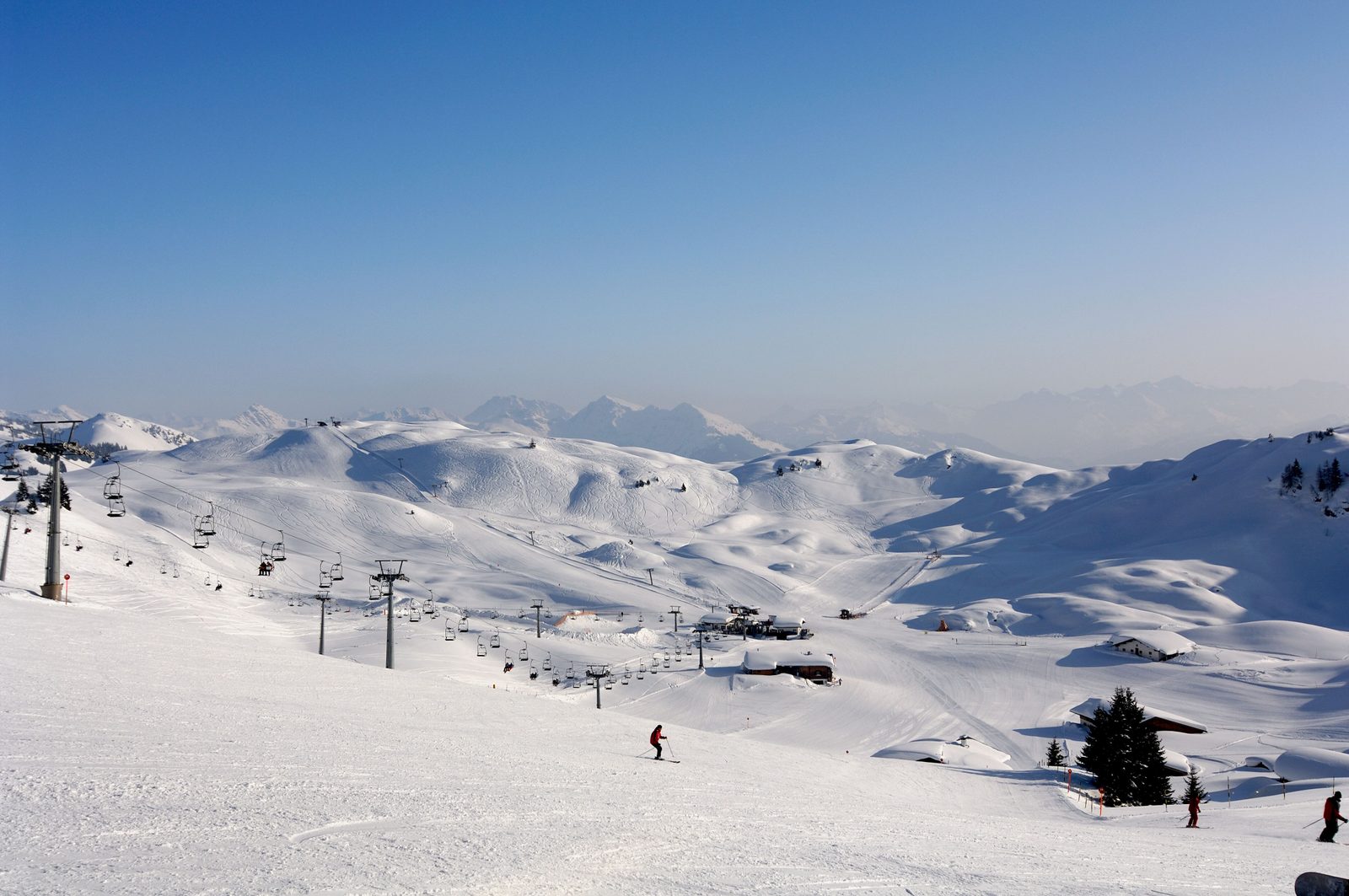
Kitzbühel is one of the few resorts where the town is more famous than the mountain. Its walled medieval centre, pastel merchant houses, arcaded shops, the 15th-century Liebfrauenkirche, has been intact for 700 years. The mountain is another story: the Hahnenkamm is home to the Streif, the most feared downhill on the World Cup circuit, and every January the town fills up for a week of racing and Champagne. Piste-wise Kitzbühel is friendlier than its reputation suggests, with a wide network across the Hahnenkamm, Kitzbüheler Horn and the linked KitzSki area, though the low base of 800 m means snow can be patchy at the bottom.
Kitzbühel on film
Skiing and staying in Kitzbühel
Kitzbühel – Skigebiet-Übersicht
Kitzbühel, eine historische österreichische Stadt, empfängt Skifahrer seit den 1890er Jahren und ist vielleicht am besten als Austragungsort des legendären Hahnenkamm-Abfahrtsrennens bekannt. Diese charmante, mittelalterliche Stadt mit ihren Kopfsteinpflastergassen und bemalten Häusern verbindet mühelos traditionellen Alpencharakter mit einem anspruchsvollen Skierlebnis.
Das KitzSki-Gebiet bietet 188 km Pisten, die von 800 m bis 2.000 m Höhe reichen und von 58 modernen Liften erschlossen werden. Die Saison dauert typischerweise von Anfang November bis Ende April und bietet somit ein langes Zeitfenster, um die vielfältigen Pisten und langen, sanften Abfahrten zu genießen.
Skifahren und Snowboarden in Kitzbühel
Kitzbühel bietet ein außergewöhnliches Skierlebnis mit einem starken Sinn für sein Rennsport-Erbe. Die Pisten sind akribisch präpariert, und das effiziente Liftsystem minimiert Wartezeiten, was eine ausgiebige Erkundung des gesamten Skigebiets ermöglicht.
Mit 90 Abfahrten, 188 km Pisten und einem Höhenunterschied von 1.200 m bietet das Gelände eine erhebliche Vielfalt. Skifahrer, die lange, flüssige Abfahrten genießen, finden in den miteinander verbundenen Skigebieten reichlich Herausforderungen.
Skifahren für verschiedene Könnerstufen
Für Anfänger gibt es spezielle Lernbereiche, insbesondere auf der Kitzbüheler Horn-Seite und in den Talbereichen. Diese Übungshänge bieten sanfte Gefälle, ideal zum Aufbau von Selbstvertrauen, bevor es auf breitere blaue Pisten geht. Obwohl Kitzbühel nicht primär ein Anfänger-Resort ist, stehen ausgezeichnete Skischulen zur Verfügung, um Einsteiger zu unterrichten, wobei sich die besten Pisten Kitzbühels erst nach dem Beherrschen der Grundkenntnisse erschließen.
Fortgeschrittene Skifahrer haben Zugang zu 44 blauen und zahlreichen roten Pisten, perfekt, um den Rhythmus zu finden und Höhenmeter zu sammeln. Das Pengelstein-Gebiet bietet lange, genussvolle Abfahrten, während die Pisten vom Steinbergkogel hervorragendes Rotpisten-Skifahren mit atemberaubender Aussicht ermöglichen. Mehrere leichtere schwarze Pisten dienen als sanfte Einführung in anspruchsvolleres Gelände und ermöglichen eine stetige Weiterentwicklung. Durch die Vernetzung des Skigebiets können abwechslungsreiche Abfahrten den ganzen Tag über genossen werden.
Erfahrene und Experten-Skifahrer werden vom Hahnenkamm angezogen, wobei die Streif-Abfahrt selbst auf der öffentlichen Piste eine herausfordernde Erfahrung bietet. Über diese ikonische Abfahrt hinaus verfügt Kitzbühel über 31 rote und 15 schwarze Pisten, die über das gesamte Skigebiet verteilt sind und anhaltende Steilhänge und technische Herausforderungen bieten. Die Nordhänge im Kitzbüheler Horn-Sektor sind bekannt dafür, den Schnee gut zu halten und bei günstigen Bedingungen exzellentes Steilhang-Skifahren zu ermöglichen.
Unterkunft und Schneesicherheit
Das mittelalterliche Stadtzentrum ist aufgrund seiner Atmosphäre, der Gastronomie und des Nachtlebens sehr empfehlenswert, mit bequemem Zugang zur Hahnenkammbahn. Für direkten Pistenzugang sollten Sie Hotels in der Nähe der Fleckalmbahn in Betracht ziehen. Die Kitzbüheler Horn-Seite bietet ruhigere, möglicherweise günstigere Unterkünfte, die für Familien geeignet sind. Kirchberg, mit dem Skibus verbunden, bietet preiswerte Alternativen zum Hauptort, während es weiterhin Zugang zum selben Skigebiet ermöglicht. Ihre Wahl hängt davon ab, ob Sie Après-Ski, Familienfreundlichkeit oder das Budget priorisieren.
Kitzbühels Höhenlage reicht von 800 m bis 2.000 m, was niedriger ist als in einigen anderen österreichischen Skigebieten. Dennoch sind 90% seiner Pisten durch umfangreiche Beschneiungsanlagen abgedeckt. Die Saison dauert von Anfang November bis April, wobei die zuverlässigsten Bedingungen von Mitte Dezember bis März herrschen. Nordhänge am Kitzbüheler Horn halten den Schnee in wärmeren Perioden gut, und die Hahnenkamm-Seite profitiert von einer exzellenten Pistenpräparierung, die gute Bedingungen während der gesamten Saison gewährleistet.
Kitzbühel in winter
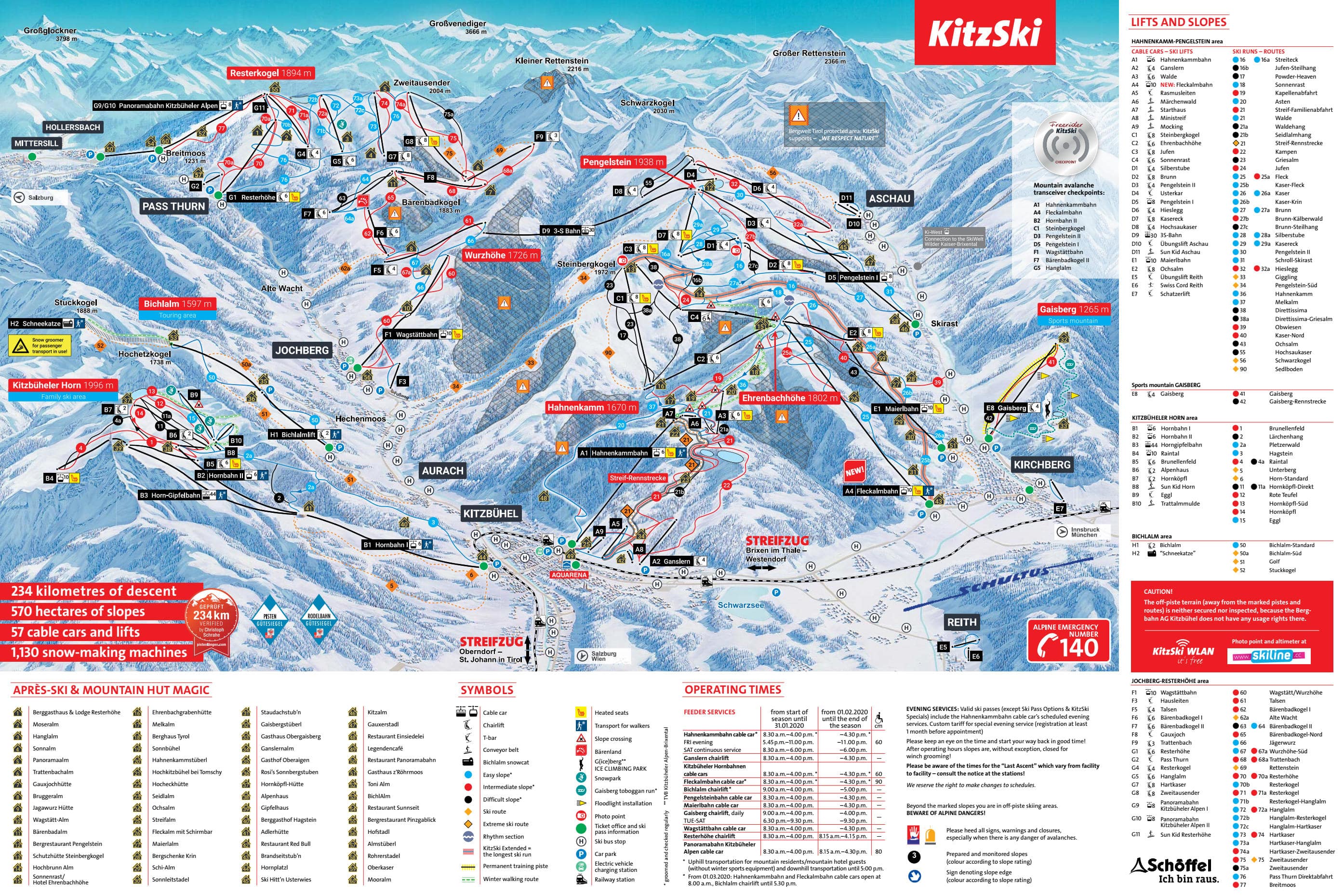
Kitzbühel piste map
The official Kitzbühel piste map showing every run, lift and sector. Zoom in for detail or open it full screen.
Scroll or pinch to zoom, drag to pan.
View and download Kitzbühel ski map ↗Getting to Kitzbühel
- Salzburg (SZG)60 km by road1 h 22 min
- Innsbruck (INN)82 km by road1 h 51 min
- Munich (MUC)111 km by road2 h 31 min
Drive times are estimates based on typical winter road conditions. Book transfers in advance during peak Saturday changeovers.
Kitzbühel FAQs
- Ist Kitzbühel gut für Anfänger geeignet?
- Kitzbühel bietet spezielle Anfängerbereiche und ausgezeichnete Skischulen, insbesondere auf der Kitzbüheler Horn-Seite, die den Übergang auf sanfte blaue Pisten ermöglichen. Das Skigebiet glänzt jedoch wirklich für fortgeschrittene und Experten-Skifahrer. Obwohl das vielfältige Gelände alle Niveaus berücksichtigt, fehlen die umfangreichen grünen Pisten, die in speziell für Anfänger konzipierten Skigebieten zu finden sind.
- Wie schneesicher ist Kitzbühel?
- Trotz seiner Höhenlage von 800 m bis 2.000 m verfügt Kitzbühel über umfangreiche Beschneiungsanlagen, die etwa 90 % seiner Pisten abdecken. Die Saison dauert typischerweise von Anfang November bis April, wobei die zuverlässigsten Bedingungen von Mitte Dezember bis März herrschen. Nordhänge am Kitzbüheler Horn tragen dazu bei, die Schnee Qualität in wärmeren Perioden zu erhalten, und die Investitionen des Skigebiets in die Beschneiung gewährleisten generell gute Bedingungen während der gesamten Saison, obwohl die unteren Pisten an sehr warmen Tagen später in der Saison beeinträchtigt sein können.
- Ist Kitzbühel überlaufen?
- Die Rennwoche Ende Januar zieht erhebliche Menschenmassen und höhere Preise an, daher sollte sie vermieden werden, es sei denn, das Beobachten des Hahnenkammrennens ist Ihr Hauptziel. Schulferien führen ebenfalls zu erhöhten Besucherzahlen, obwohl das moderne Liftsystem die Kapazität effizient verwaltet. Außerhalb dieser Spitzenzeiten fühlt sich das Skigebiet angenehm belebt und nicht überfüllt an. Für ein ruhigeres Erlebnis ist der Sektor Kitzbüheler Horn im Allgemeinen weniger belebt als der Hauptbereich Hahnenkamm.
- Welcher ist der beste Bereich zum Übernachten in Kitzbühel?
- Für Atmosphäre, Gastronomie und Nachtleben, mit einfachem Zugang zur Hahnenkammbahn, ist das mittelalterliche Stadtzentrum ideal. Wenn Ski-in/Ski-out-Komfort Priorität hat, sollten Sie Hotels in der Nähe der Fleckalmbahn in Betracht ziehen. Die Kitzbüheler Horn-Seite bietet ruhigere, familienfreundliche Unterkünfte, oft zu niedrigeren Preisen. Kirchberg, mit dem Skibus verbunden, bietet preiswerte Alternativen zum Hauptort. Ihre Wahl sollte sich an Ihren Prioritäten orientieren, sei es Après-Ski oder ein entspannterer Aufenthalt.
- Kann ich die berühmte Hahnenkamm-Abfahrt befahren?
- Ja, außerhalb der Rennwoche folgt eine öffentlich zugängliche, schwarz markierte Piste einem Großteil der legendären Streif-Strecke. Sie erfordert solides Fahrkönnen, obwohl kompetente Fortgeschrittene sie vorsichtig versuchen können. Das Befahren dieser Route bietet eine einzigartige Wertschätzung für die Herausforderungen der gesamten Rennlinie, einschließlich des Mausefalle-Sprungs und der Steilhang-Abschnitte. Es ist ratsam, frühzeitig für die besten Bedingungen zu fahren, und zögern Sie nicht, die steilsten Stellen seitlich abzurutschen.
Resort figures are checked against official resort sources each season. Spotted something out of date? Tell us.
Skigebiete in der Nähe

Kirchberg
All the skiing of Kitzbühel at a more relaxed pace: a proper Tyrolean village with family-run Gasthöfe and lively après, sharing 188km of KitzSki pistes with its neighbour.

St. Johann in Tirol
Traditional Tyrolean market town at the foot of the Kitzbüheler Horn.

Ellmau
Gateway to the SkiWelt, Austria's largest linked ski area, and a family classic.

Fieberbrunn
The only Austrian stop on the Freeride World Tour, with steep, lift-accessed powder terrain off the Wildseeloder and a gondola link into the 270km Skicircus - all from a quiet, traditional Tyrolean village base.
Westendorf
Prettiest of the SkiWelt villages, quieter than Söll with tree lined runs.

Söll
Party heavy SkiWelt gateway with easy grooming and a raucous night skiing scene.
Saalbach Hinterglemm
Après-ski for every occasion and fast, modern ski lifts that'll give you more time to carve down the slopes
Königsleiten
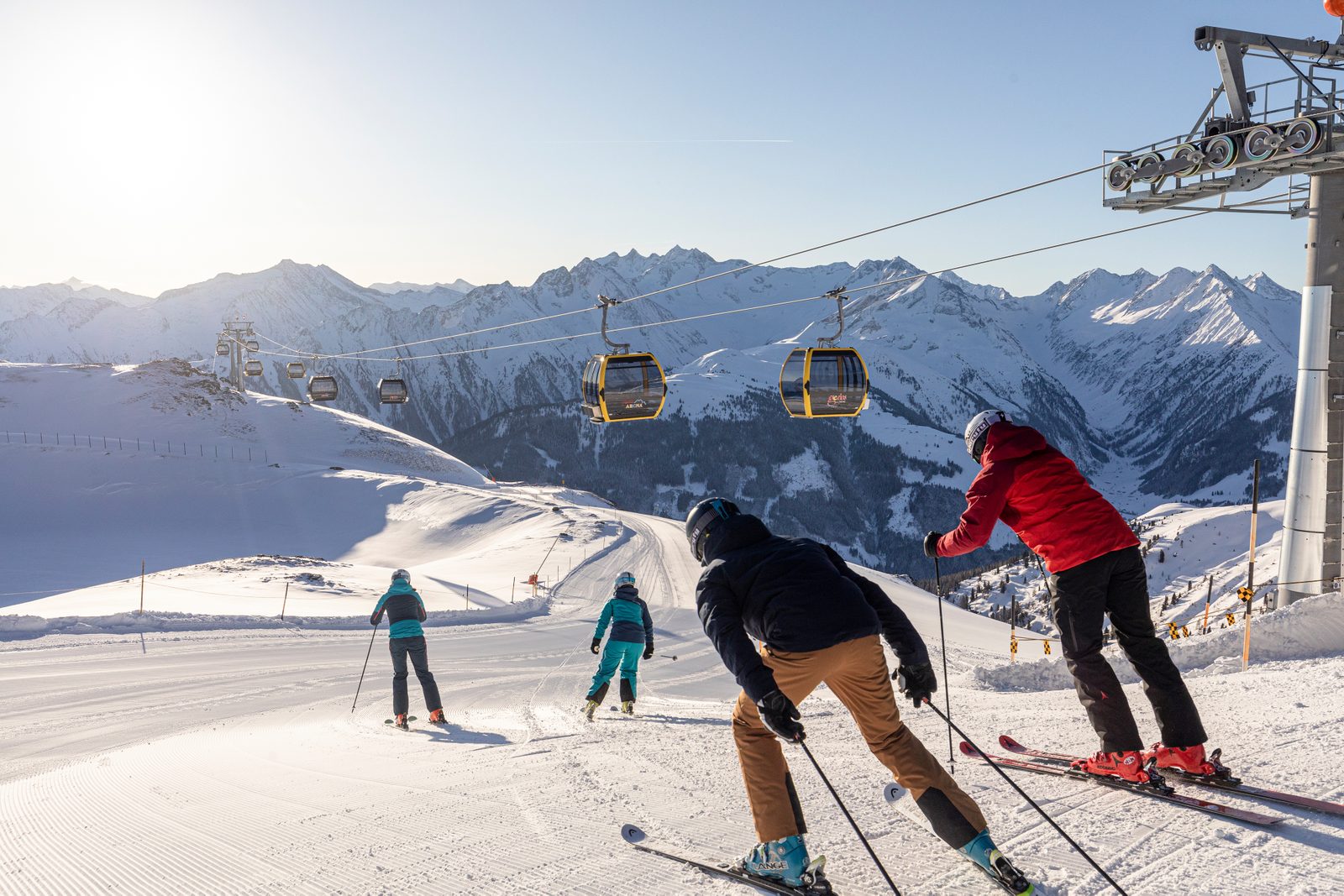
A high-altitude village at 1,600m providing snow-sure access to the vast 143km Zillertal Arena. Reliable conditions on the Salzburg-Tyrol border.