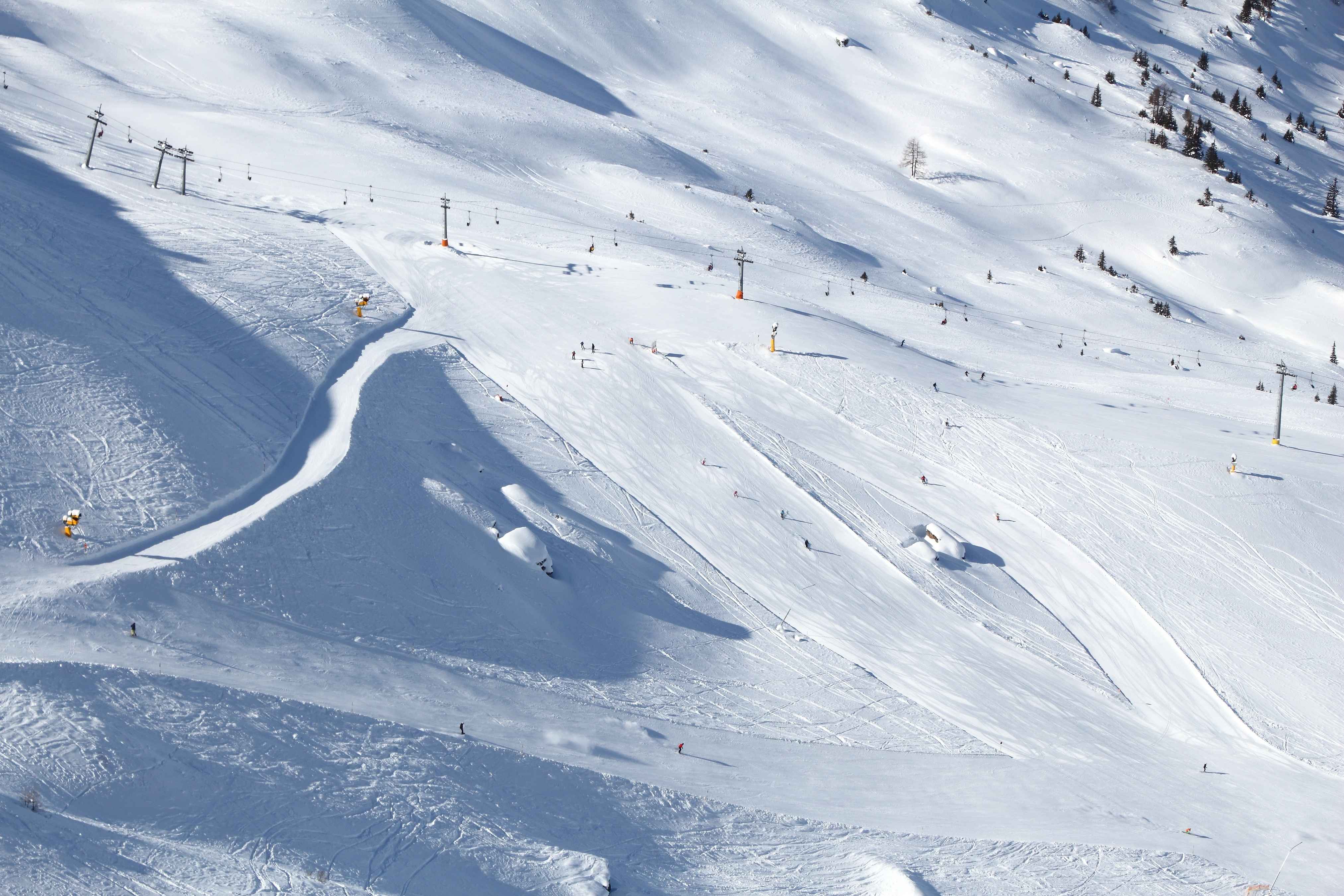
Bad Gastein
Pueblo balneario de la Belle Époque con baños de radón y largas pistas orientadas al norte que descienden del Stubnerkogel.
Esta página se ha traducido automáticamente. La versión en inglés es la original. Ver el original en inglés
What to expect at Bad Gastein
Bad Gastein is a Belle Époque spa town tumbling down both sides of a waterfall gorge, an unusual and slightly surreal alpine setting. Its 19th-century sanatorium buildings are being carefully restored after decades of decline, and the town is having a moment as a cultural weekender. Skiing is spread across four separate mountains, Stubnerkogel, Schlossalm, Angertal, Sportgastein, reaching 2,686 m and holding 208 km of piste, mostly gentle intermediate. The genuinely unusual asset is the naturally radioactive thermal water: after skiing you can sit in a rock-cut tunnel and let radon steam do whatever radon steam does. It works, apparently.
Bad Gastein on film
Skiing and staying in Bad Gastein
Bad Gastein: Descripción General
Bad Gastein, una histórica ciudad balneario en el Salzburger Land de Austria, ofrece una combinación única de arquitectura de la Belle Époque y esquí extenso. Ubicada en una espectacular garganta entre 1.079m y 2.300m, forma parte de la vasta región de Ski Amadé, conectada con Bad Hofgastein a través del área de esquí Schlossalm-Angertal-Stubnerkogel. La ciudad en sí es impactante, con grandes hoteles aferrados a laderas empinadas, aguas termales creando vapor y una magnífica cascada que a menudo se congela espectacularmente en invierno. Presenta una atmósfera elegante y sin pretensiones, fusionando a la perfección la historia con modernas instalaciones de esquí.
La estación ofrece aproximadamente 86km de pistas. El área principal de Bad Gastein-Bad Hofgastein se adapta a todos los niveles, desde suaves pistas para principiantes hasta desafiantes descensos desde el Stubnerkogel. Góndolas eficientes y telesillas de alta velocidad conectan la montaña. Para una experiencia más tranquila, la zona separada de Graukogel ofrece 14km de pistas más tradicionales. La temporada de esquí suele ir desde finales de noviembre hasta principios de abril, con una cobertura de nieve fiable gracias a la altitud de la estación y sus laderas orientadas al norte.
Esquí y Snowboard
El esquí en Bad Gastein invita a la exploración, ideal para quienes aprecian la variedad. El sector principal Schlossalm-Stubnerkogel presenta amplias pistas de paseo a través de cuencas alpinas y terrenos más técnicos dentro de sus valles. Desde la cima del Stubnerkogel a 2.246m, las vistas panorámicas se extienden por los picos de Hohe Tauern, y los descensos de vuelta al valle ofrecen importantes desniveles.
La zona de Graukogel ofrece una atmósfera distinta con sus pistas más pequeñas y arboladas, proporcionando un contraste tranquilo con el circuito principal. Ambas áreas son especialmente adecuadas para esquiadores intermedios con confianza, aunque los principiantes y los entusiastas avanzados también encontrarán amplio terreno para disfrutar.
Esquí para Todos los Niveles
Los principiantes en Bad Gastein tienen varias opciones excelentes. La zona de Angertal, situada entre Bad Gastein y Bad Hofgastein, cuenta con extensas pistas para principiantes y terreno progresivo, apoyado por programas dedicados de escuelas de esquí. Después de dominar lo básico, hay numerosas pistas azules suaves para explorar.
Los esquiadores intermedios encontrarán el terreno especialmente gratificante, con largas y amplias pistas rojas que combinan altitud, pendiente y suficiente variedad. El descenso desde el Stubnerkogel a través de Angertal es un punto culminante, ofreciendo más de 1.400 metros de esquí vertical. La conexión con Bad Hofgastein proporciona aún más variedad de terreno. Las pistas arboladas de Graukogel presentan un desafío diferente y más técnico.
Los esquiadores y snowboarders avanzados pueden abordar las pistas negras de Stubnerkogel y Graukogel, que ofrecen secciones empinadas sostenidas y a menudo desarrollan desafiantes moguls. Las pistas negras orientadas al norte en Graukogel son particularmente exigentes y suelen estar poco concurridas. Cuando las condiciones lo permiten, las oportunidades fuera de pista alrededor de Sportgastein ofrecen un terreno de backountry de alta altitud serio.
Bad Gastein in winter
Bad Gastein piste map
The official Bad Gastein piste map showing every run, lift and sector. Zoom in for detail or open it full screen.
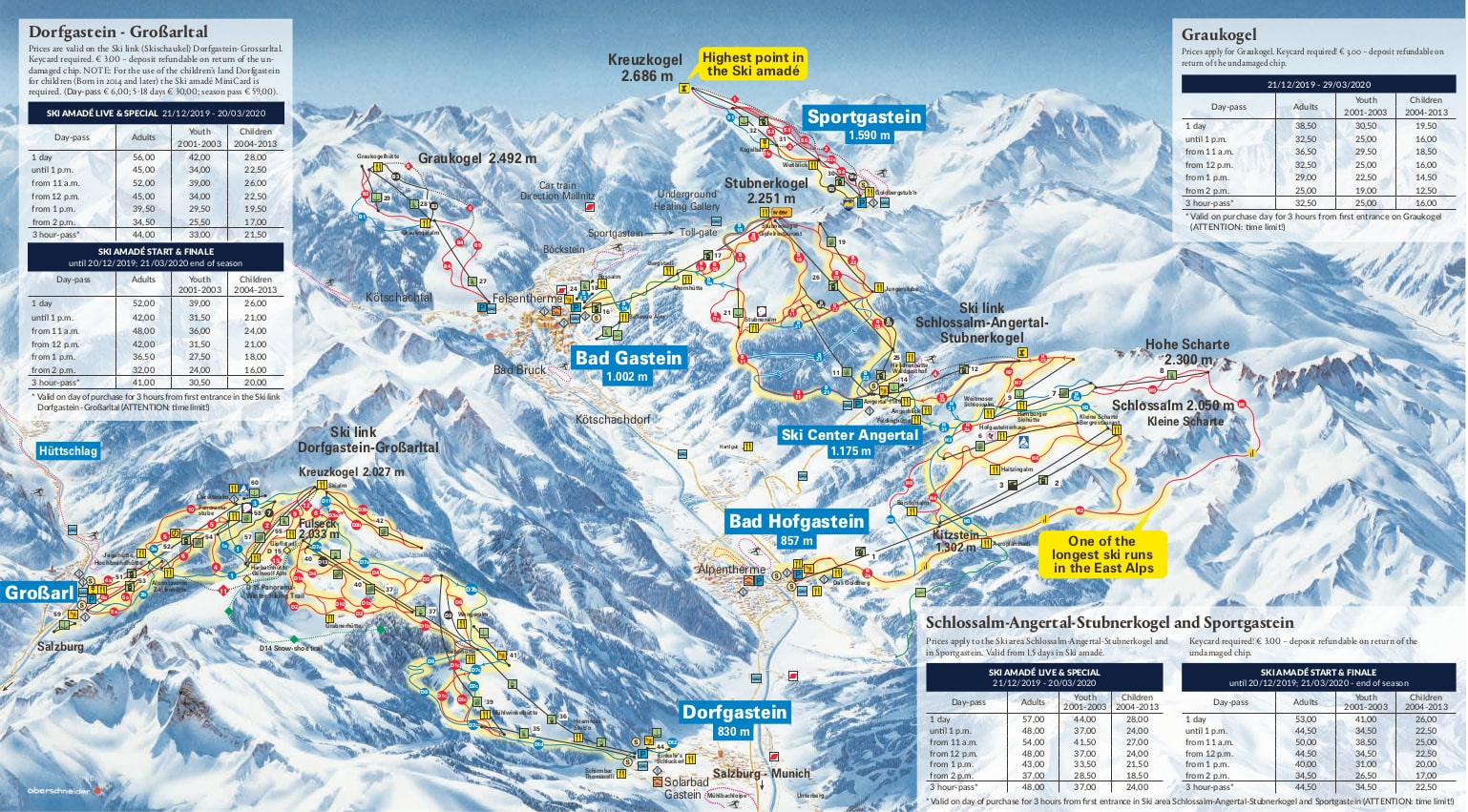
Scroll or pinch to zoom, drag to pan.
View and download Bad Gastein ski map ↗Getting to Bad Gastein
- Salzburg (SZG)77 km by road1 h 45 min
- Klagenfurt (KLU)113 km by road2 h 33 min
- Innsbruck (INN)128 km by road2 h 54 min
Drive times are estimates based on typical winter road conditions. Book transfers in advance during peak Saturday changeovers.
Bad Gastein FAQs
- ¿Es Bad Gastein adecuado para principiantes?
- Sí, aunque no es exclusivamente una estación para principiantes. El área de Angertal, situada entre Bad Gastein y Bad Hofgastein, cuenta con excelentes pistas para principiantes y terreno de progresión, con escuelas de esquí que imparten programas específicos para iniciación. Una vez asegurados los fundamentos, esperan muchas pistas azules suaves. Es una opción ideal para grupos de diferentes niveles donde los principiantes están aprendiendo y los esquiadores experimentados buscan pistas más desafiantes.
- ¿Cómo se compara Bad Gastein con otras estaciones austriacas?
- Bad Gastein ofrece un carácter único, distinto de los pueblos de esquí austriacos típicos. Se parece más a una ciudad histórica, similar a St. Anton pero más tranquila, con una rica historia, arquitectura y cultura. El esquí es especialmente adecuado para intermedios, y su herencia de spa termal añade una dimensión de bienestar raramente encontrada en otros lugares. Es menos un destino de fiesta que Ischgl o St Anton, y menos enfocado a las familias que los pueblos de Skiwelt.
- ¿Es caro Bad Gastein?
- Bad Gastein se sitúa en el rango medio de precios para las estaciones de esquí austriacas. Es más asequible que destinos premium como Lech o Kitzbühel, pero ofrece más carácter que muchas opciones económicas. El forfait Ski Amadé ofrece una excelente relación calidad-precio dada la vasta extensión de terreno que cubre, y la cultura de cafeterías de la ciudad permite disfrutar del ambiente sin un gasto excesivo.
- ¿Qué hace a Bad Gastein único?
- Bad Gastein destaca por su combinación de esquí de alto nivel, una genuina herencia de spa termal y una notable arquitectura de la Belle Époque. La cascada que fluye por el centro de la ciudad, los grandes hoteles encaramados en la ladera y la histórica galería de curación crean una atmósfera diferente a la de cualquier otra estación de esquí. Es un lugar que recompensa la exploración más allá de las pistas de esquí.
- ¿Cuándo es la mejor época para esquiar en Bad Gastein?
- La temporada se extiende típicamente desde finales de noviembre hasta principios de abril, con condiciones de nieve óptimas generalmente entre enero y marzo. La altitud de la estación y sus laderas orientadas al norte contribuyen a una buena fiabilidad de la nieve durante toda la temporada. El terreno de alta altitud de Sportgastein, que alcanza hasta los 2.650m, a menudo conserva una excelente nieve hasta bien entrada la primavera, incluso cuando las zonas más bajas empiezan a ablandarse.
Resort figures are checked against official resort sources each season. Spotted something out of date? Tell us.
Estaciones cercanas
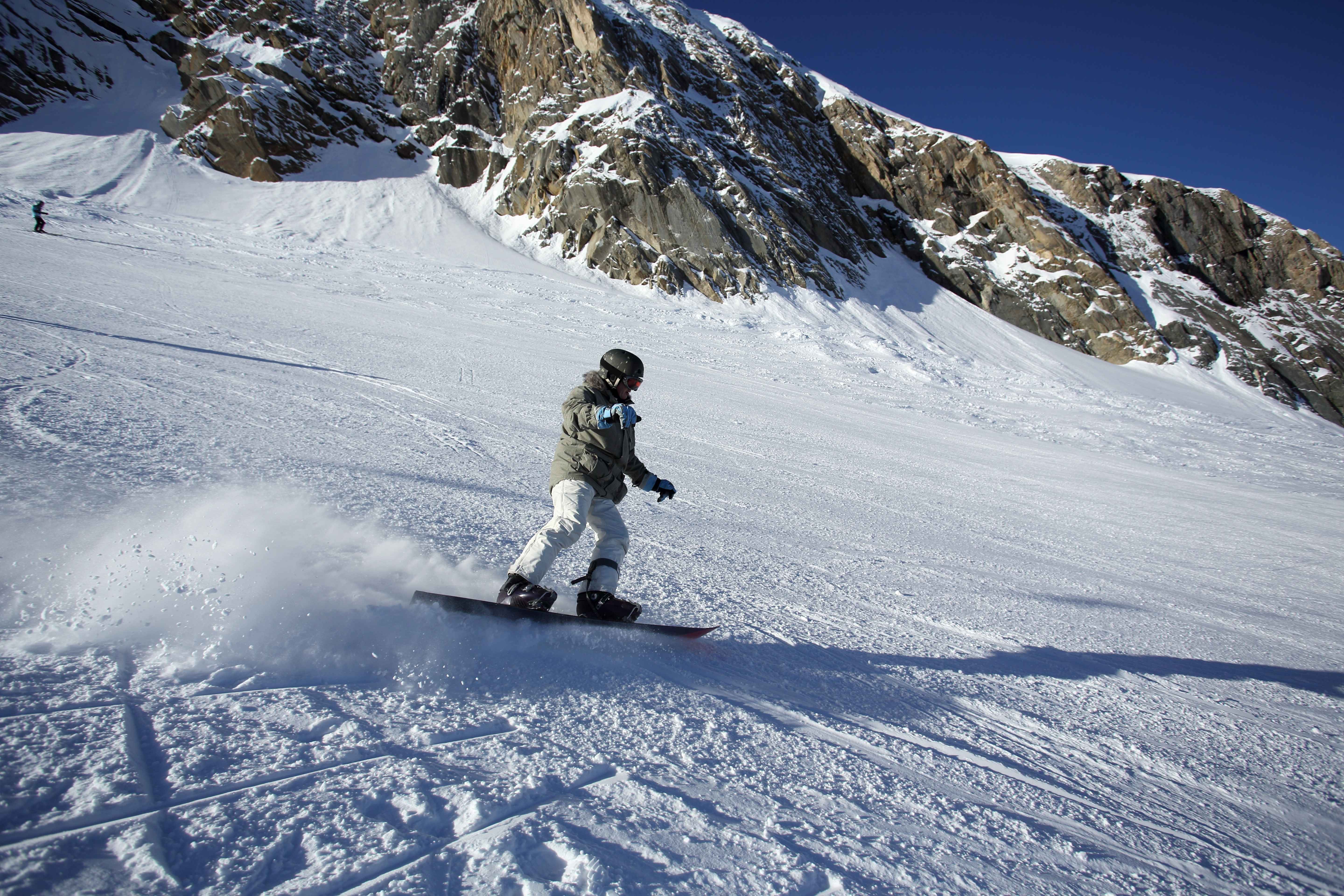
Kaprun
Sister village to Zell am See with year round skiing on the Kitzsteinhorn glacier.

Kitzsteinhorn
Salzburg's only glacier, above Kaprun and Zell am See, open eight months a year.
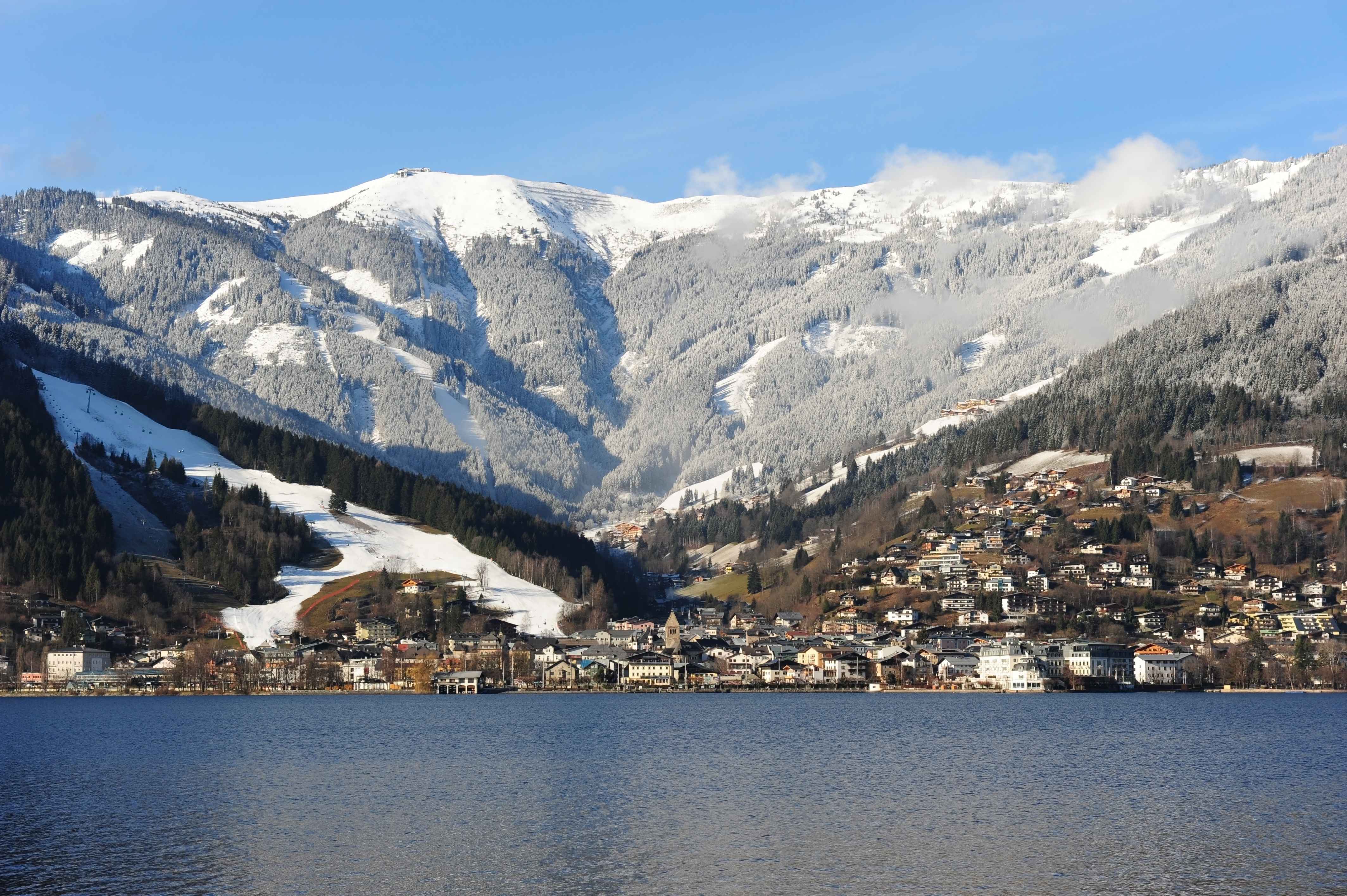
Zell am See Kaprun
Lakeside town with skiing off the Kitzsteinhorn glacier all season long.
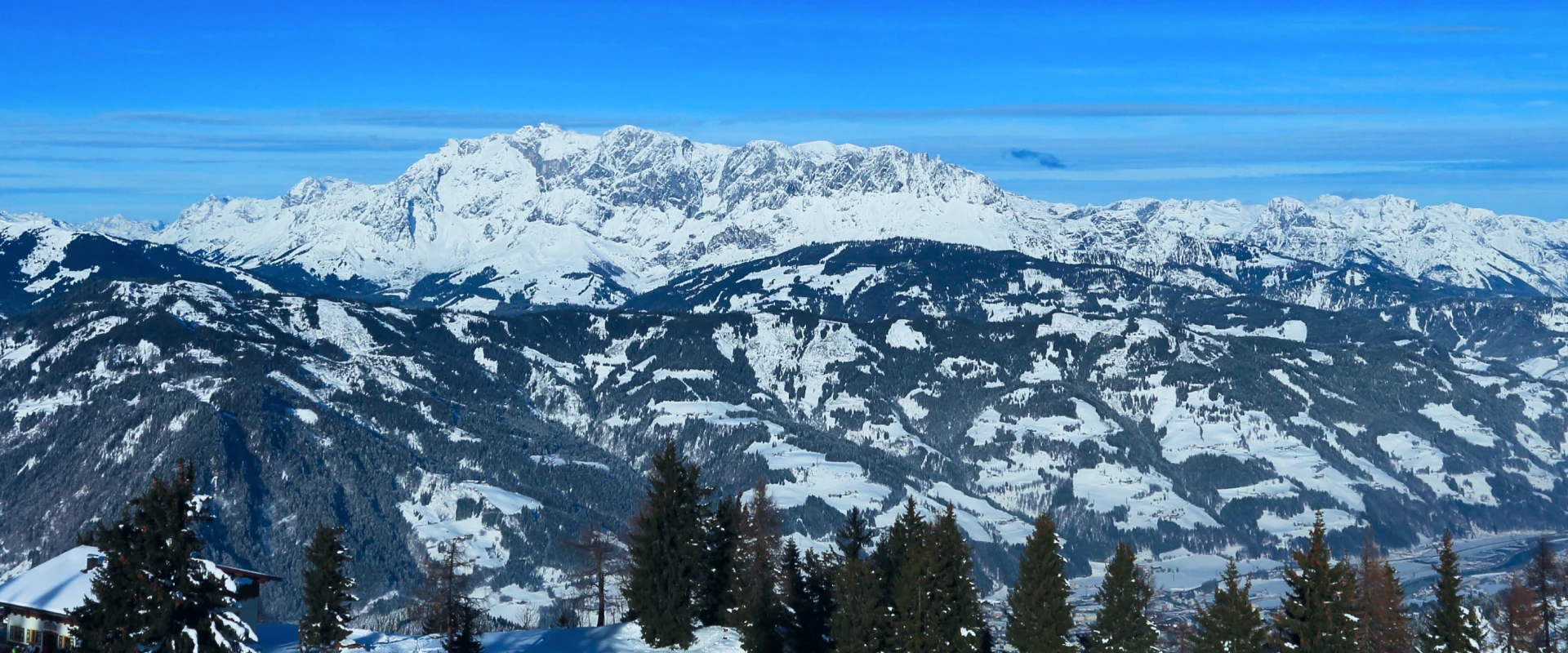
St Johann Im Pongau
Where vibrant small-town charm blends with extensive slope adventures across the peaks and valleys of Ski amadé.

Hochkönig
Three villages, one huge horseshoe of intermediate cruising below the Hochkönig massif.
Muhlbach Am Hochkönig
A Salzburg village providing access to the 120km Hochkönig ski circuit beneath Austria's most dramatic limestone massif. Genuine Alpine character.
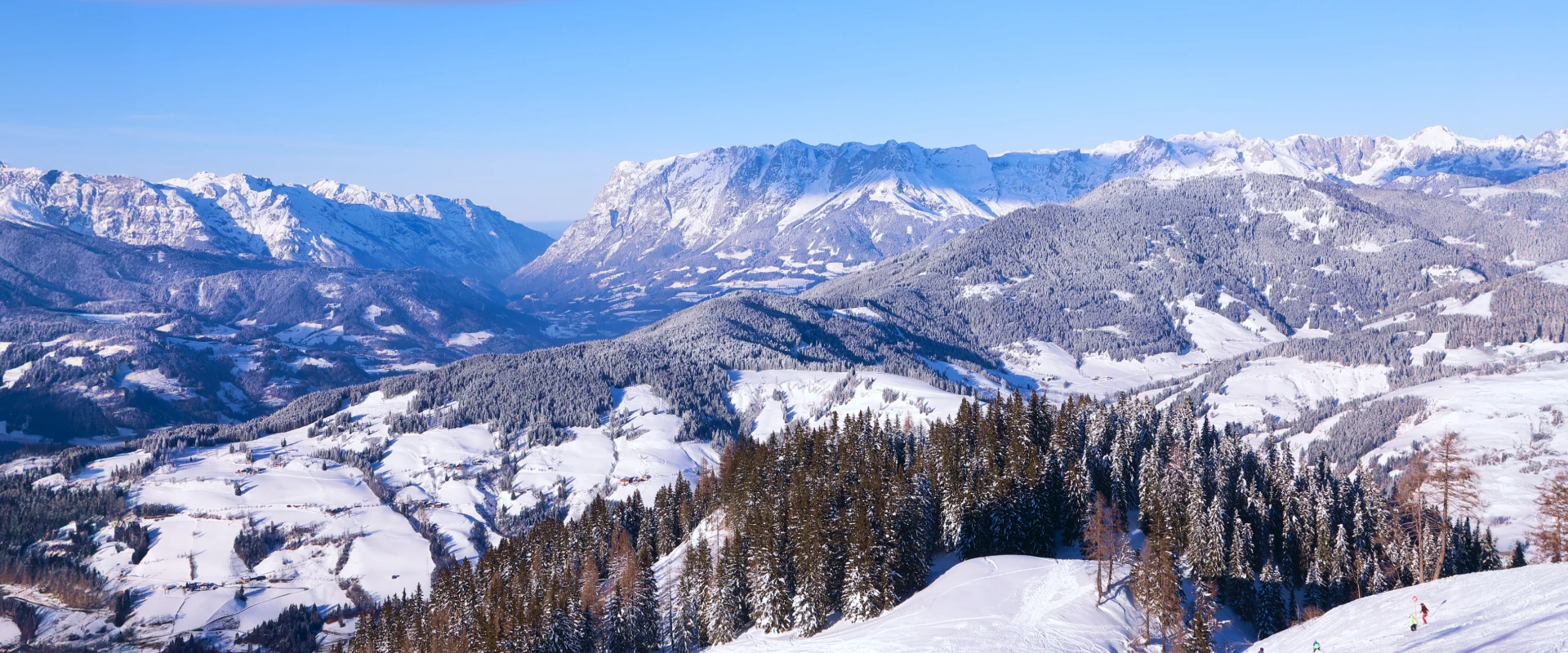
Wagrain
A delightful blend of alpine beauty, ski convenience, and family-friendly amenities
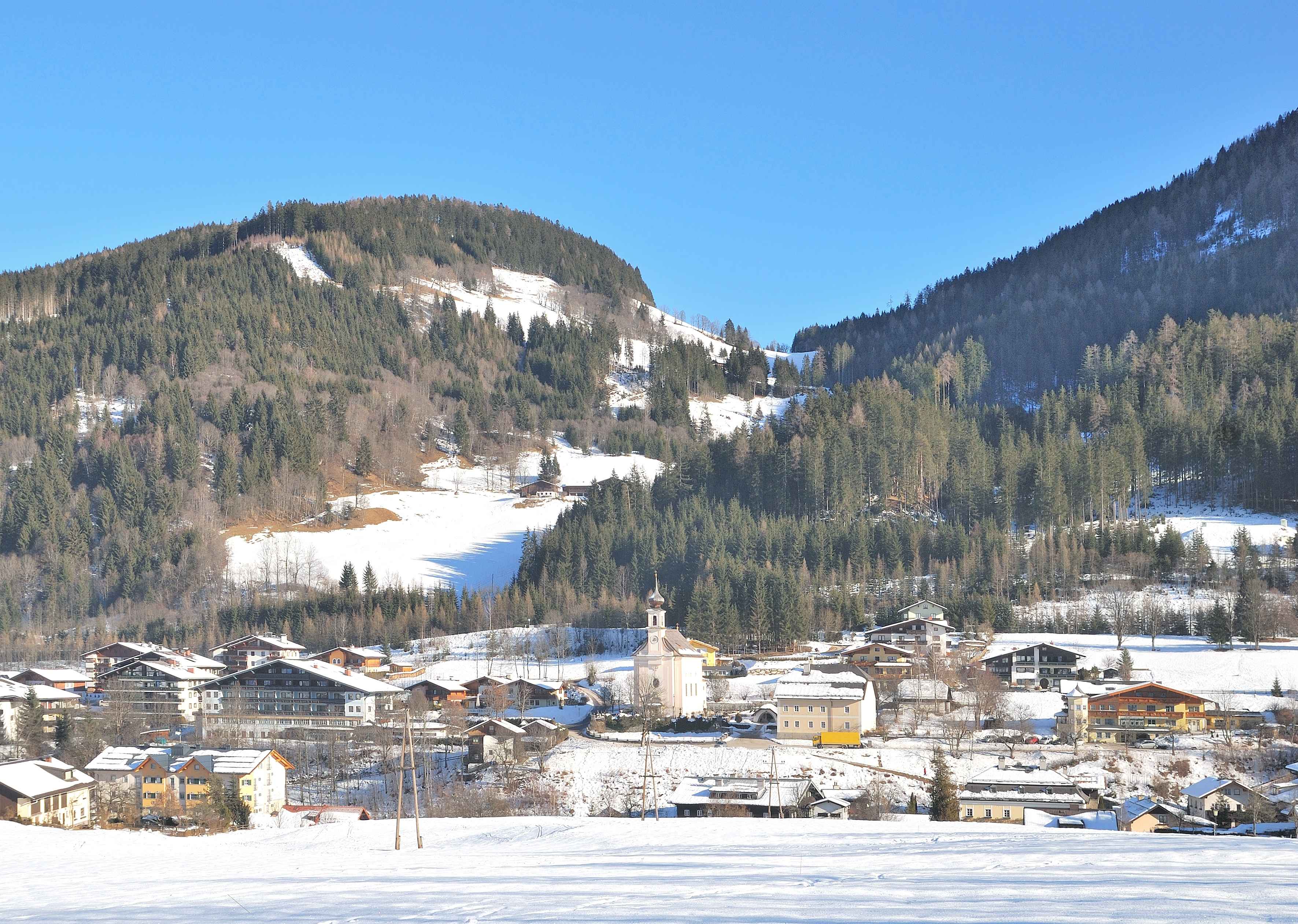
Flachau
Ski Amadé hub village and home of the World Cup night slalom under the floodlights.