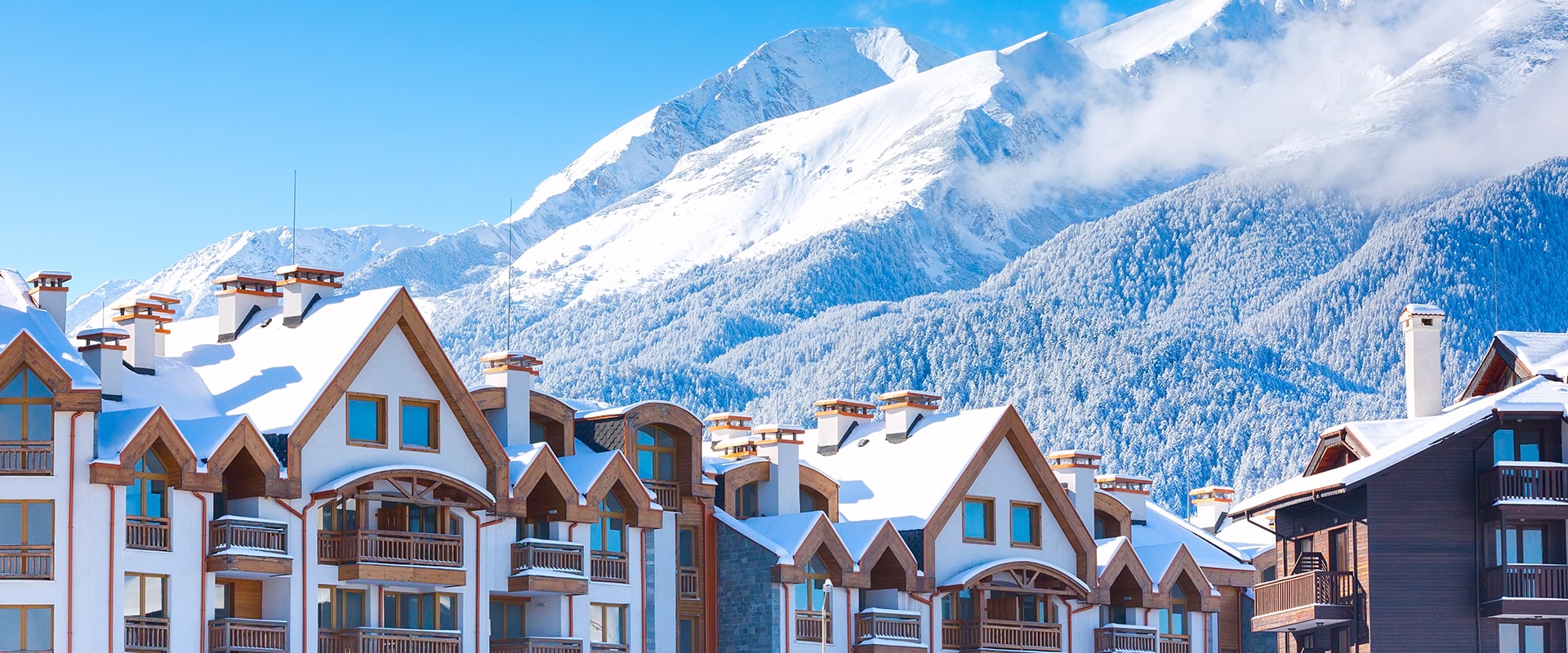
Bansko
Känd som Bulgariens främsta skidort, värd för flera världscuptävlingar och trots att den är liten, erbjuder den skidåkning för alla nivåer.
Den här sidan har maskinöversatts. Den engelska versionen är originalet. Visa den engelska originalversionen
What to expect at Bansko
Bansko is the runaway success of post-communist Bulgarian skiing. In 2003 there were essentially no modern lifts; a 25-minute Doppelmayr gondola from the town and a wholesale rebuild in the early 2000s turned it into the country's biggest resort. The old town at the base is still authentically 19th-century Bulgarian, cobbled streets, whitewashed houses with wood-shingled roofs, mehanas serving lamb kavarma and folk music into the small hours. The ski area sits high up the Pirin mountain at 990, 2,600 m with 75 km of piste. Prices are the lowest of any serious resort in Europe: a lift pass, a lesson, and lunch will cost less than lunch alone in Val d'Isère.
Bansko on film
Skiing and staying in Bansko
Bansko, Bulgarien
Beläget i Pirinbergen erbjuder Bansko en uppfriskande skidupplevelse bort från de traditionella alpina orterna. Den erbjuder moderna skidfaciliteter inom ett UNESCO-världsarv, och blandar fantastisk natur med autentisk bulgarisk charm. Orten tillgodoser olika färdighetsnivåer och erbjuder en välkomnande atmosfär för alla.
Skidområdet sträcker sig från den historiska staden på 990m upp till en topp på 2 560m. Med 75km pist och 14 liftar erbjuder Bansko varierande terräng och ett effektivt system för att utforska berget.
Skidåkning och Snowboard
Bansko är särskilt väl lämpad för nybörjare och medelgoda åkare, även om avancerade skidåkare också kommer att hitta tillräckligt med utmaningar. Säsongen sträcker sig vanligtvis från tidig december till mitten av april, med stöd av omfattande snötillverkning på viktiga rutter. Skidåkare kan njuta av välpreparerade pister, långa nedfarter och ett modernt liftsystem mot en bakgrund av imponerande bergslandskap.
Terräng för nybörjare och medelgoda åkare
Förstagångsåkare kommer att uppskatta Banskos mjuka, breda nybörjarbackar. Banderishka-ängen vid toppen av gondolen erbjuder en idealisk lärmiljö med pålitligt snötäcke på hög höjd. Engelsktalande skidundervisning finns tillgänglig till priser som är betydligt lägre än i många alpina resorter, vilket möjliggör mer omfattande instruktion.
Medelgoda åkare har tillgång till sex varierande röda pister, inklusive breda "cruisers" och mer krävande sektioner. Todorka-backen nära toppen erbjuder utmärkt skidåkning med panoramautsikt över Pirin-kedjan. Det effektiva liftsystemet och de generellt glest befolkade backarna gör att medelgoda åkare kan maximera sin tid i snön. Den imponerande 1 570m vertikala fallhöjden från topp till botten erbjuder en tillfredsställande utmaning.
Avancerad skidåkning och offpist
Även om Bansko inte primärt är ett resmål för experter, har det 11 avancerade backar och två svartmarkerade expertpister med genuint branta lutningar. Tomba-backen, som ofta används för FIS-tävlingar, lyfter fram ortens mer tekniska utbud. För dem som söker offpist-äventyr erbjuder Pirinbergen orörd puder, tillgänglig med en lokal guide som kan navigera i den mindre utvecklade backcountry-terrängen.
Bansko in winter
Bansko piste map
The official Bansko piste map showing every run, lift and sector. Zoom in for detail or open it full screen.
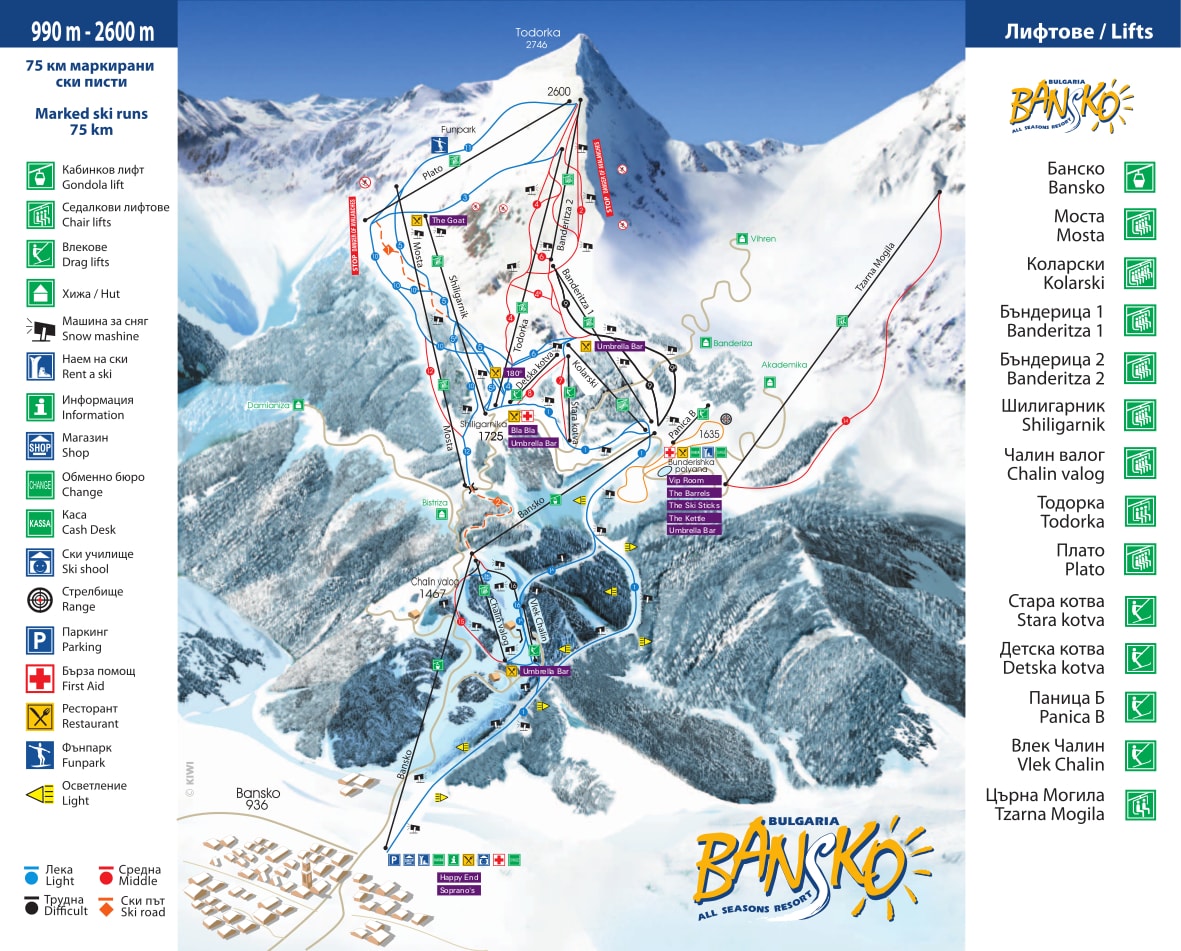
Scroll or pinch to zoom, drag to pan.
View and download Bansko ski map ↗Getting to Bansko
- Sofia (SOF)2 h
- Plovdiv (PDV)2 h 30 min
Drive times are estimates based on typical winter road conditions. Book transfers in advance during peak Saturday changeovers.
Bansko FAQs
- Är Bansko bra för nybörjare?
- Ja, Bansko erbjuder utmärkta förhållanden för nybörjare. Banderishka-ängen vid toppen av gondolen ger mjuk, bred terräng för de första försöken, och den prisvärda skidskolan innebär att du kan ta fler lektioner för samma budget som i Alperna. Backarna anses generellt vara lugna, vilket ger eleverna mer utrymme. Den längsta backen på 4.8km ger ett tillfredsställande framstegsmål när grunderna väl behärskats.
- Hur jämför sig Bansko med Alperna?
- Bansko erbjuder betydligt bättre valuta för pengarna än alpina resorter; liftkort, lektioner, mat och dryck är alla märkbart billigare. Kompromissen är mindre omfattande terräng (70km jämfört med hundratals på stora alpina områden) och en längre transfer från närmaste flygplatser. Snösäkerheten är god men inte riktigt på samma nivå som i Alperna. Banskos gamla stad ger en genuin karaktär som många specialbyggda resorter saknar.
- Är snön pålitlig i Bansko?
- Snösäkerheten är generellt god tack vare höjden (2 560m topp) och omfattande snötillverkning på viktiga backar. Säsongen sträcker sig vanligtvis från början av december till mitten av april, med de mest pålitliga förhållandena från januari till mars. Naturligt snöfall är mindre konsekvent än i Alperna, men snötillverkningen säkerställer täckning på huvudpisterna. Orterns norrvända sluttningar håller snö bättre vid varmare väder.
- Hur är nattlivet i Bansko?
- Bansko har utvecklat en livlig och opretentiös afterski-scen, särskilt populär bland brittiska besökare. Barer runt huvudgatan och gondolens basområde erbjuder prisvärda drinkar och en äkta feststämning, med vissa ställen som håller öppet till sent. För något mer traditionellt serverar mehanorna i gamla stan rakia och har ibland levande folkmusik.
- Hur lång är transfern från Sofia flygplats?
- Transfern från Sofia till Bansko tar cirka 2 timmar beroende på förhållandena. Rutten passerar genom bulgarisk landsbygd innan den klättrar in i Pirinbergen. Vägarna är generellt väl underhållna men vinterförhållanden kräver lämpliga däck. Olika transfertjänster trafikerar sträckan, eller så finns biluthyrning för den som föredrar att köra själv. Plovdiv flygplats är ungefär samma avstånd med mindre trafik.
Resort figures are checked against official resort sources each season. Spotted something out of date? Tell us.
Skidorter i närheten
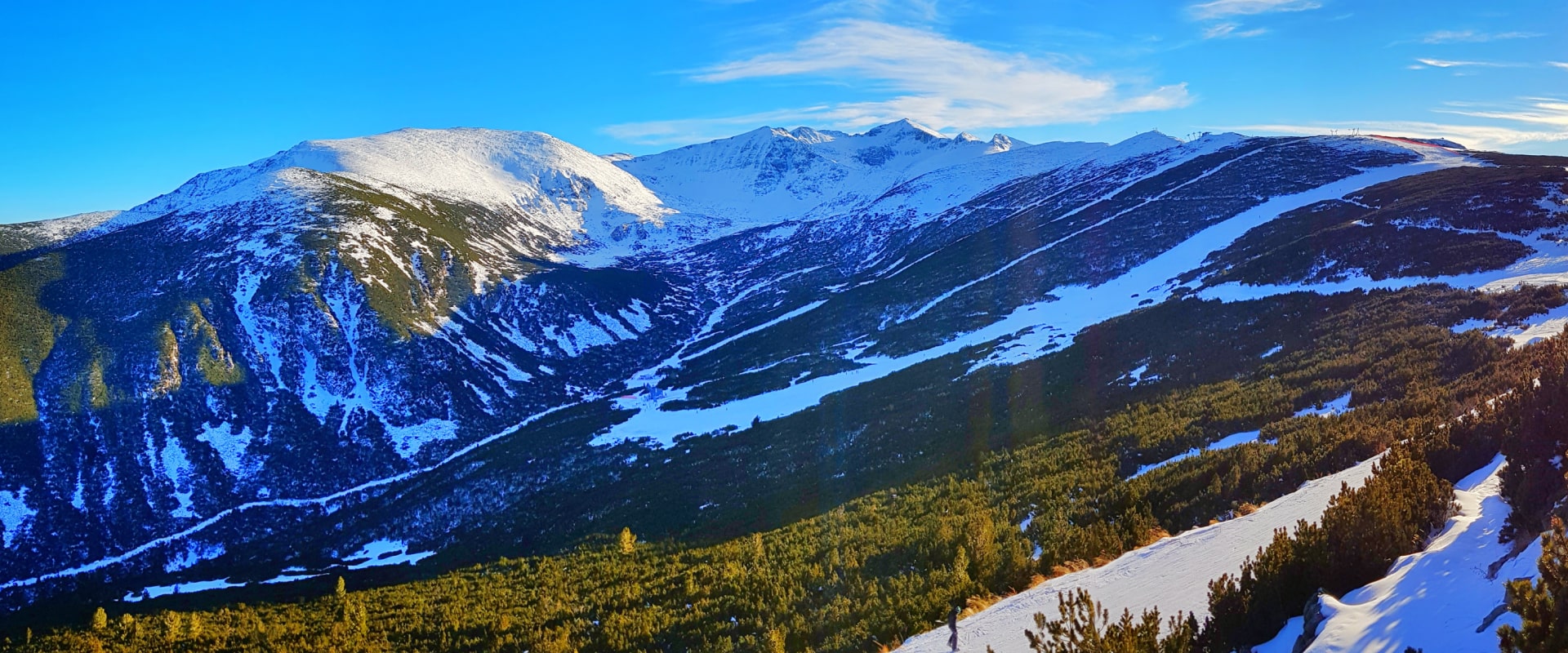
Borovets
Borovets has a lively atmosphere with affordable accommodations and great food options. The majority of the terrain is well suited to beginners and intermediates, with 58 km of runs suitable for all abilities.
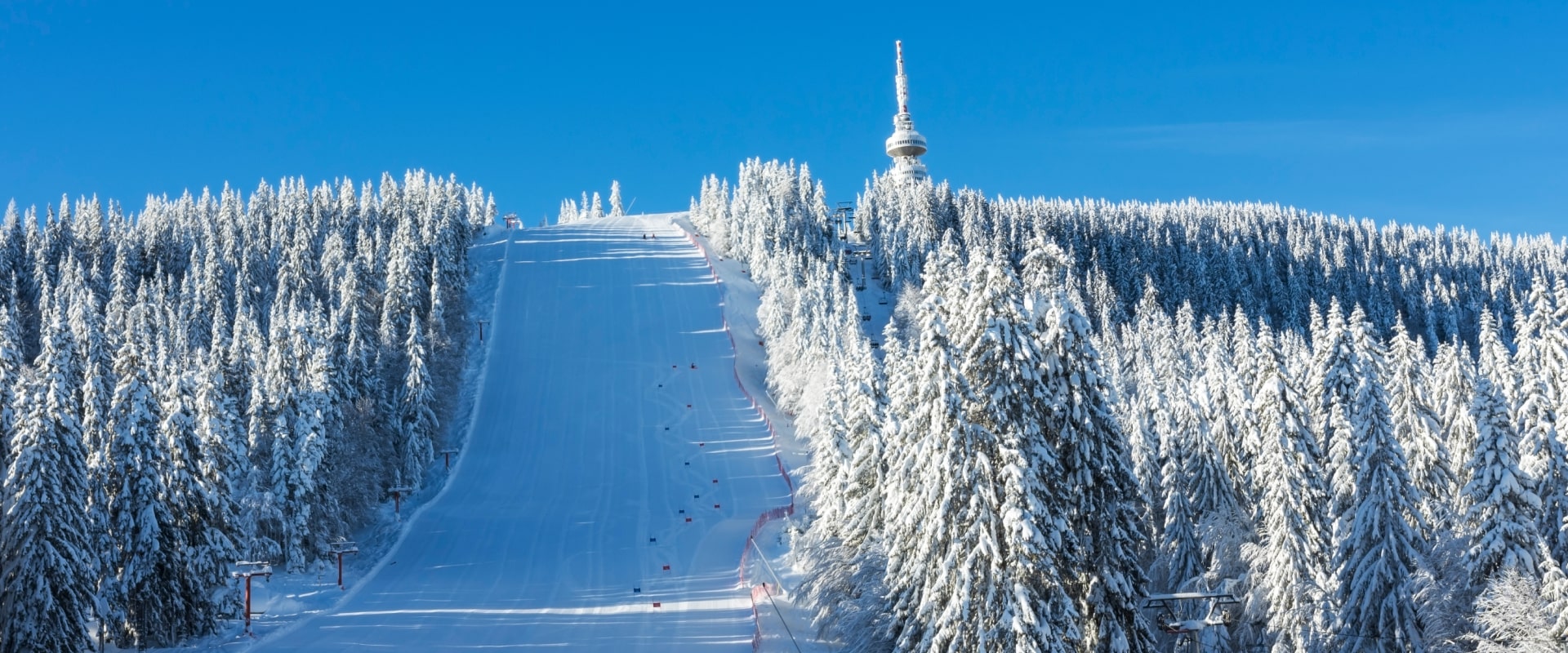
Pamporovo
Bulgaria's sunniest ski resort with gentle slopes, great value stays, and a warm, welcoming atmosphere.